
Last updated November 15, 2026
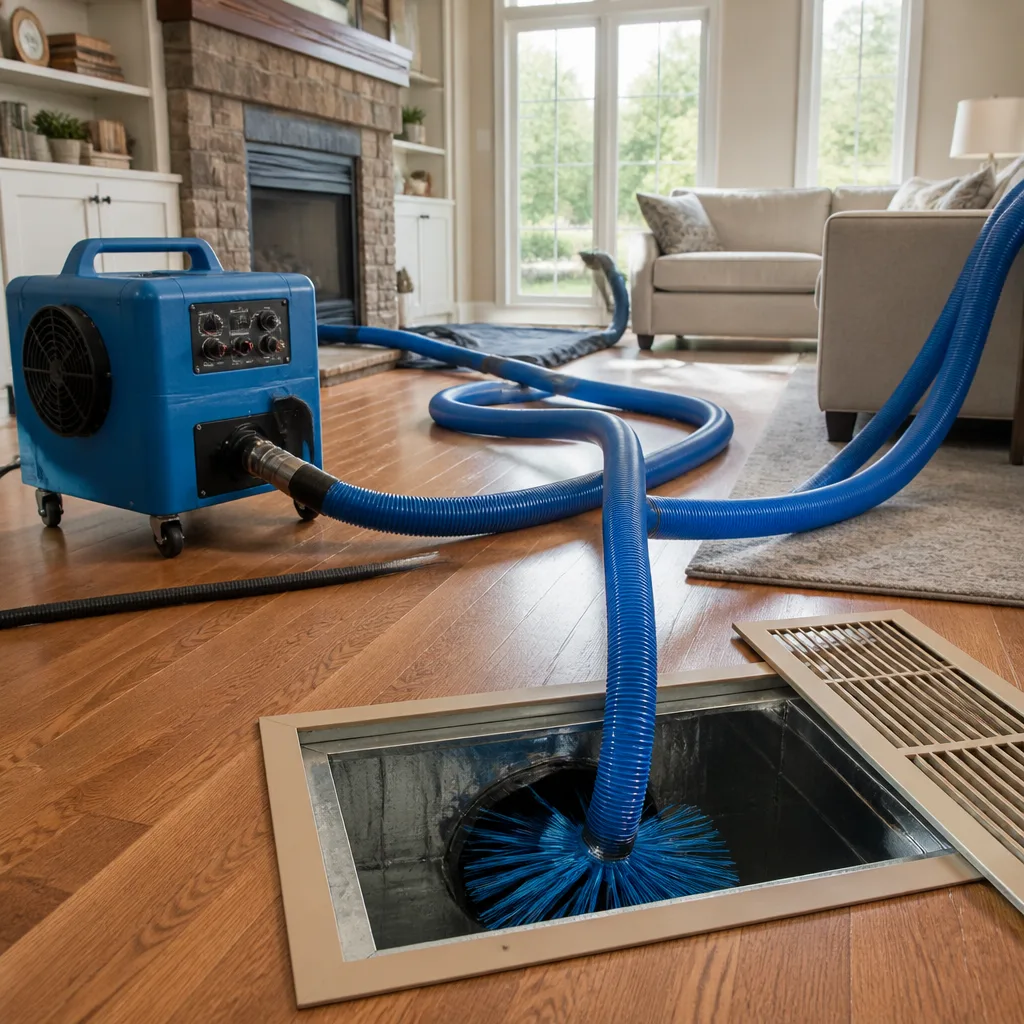 Whole-home duct cleaning
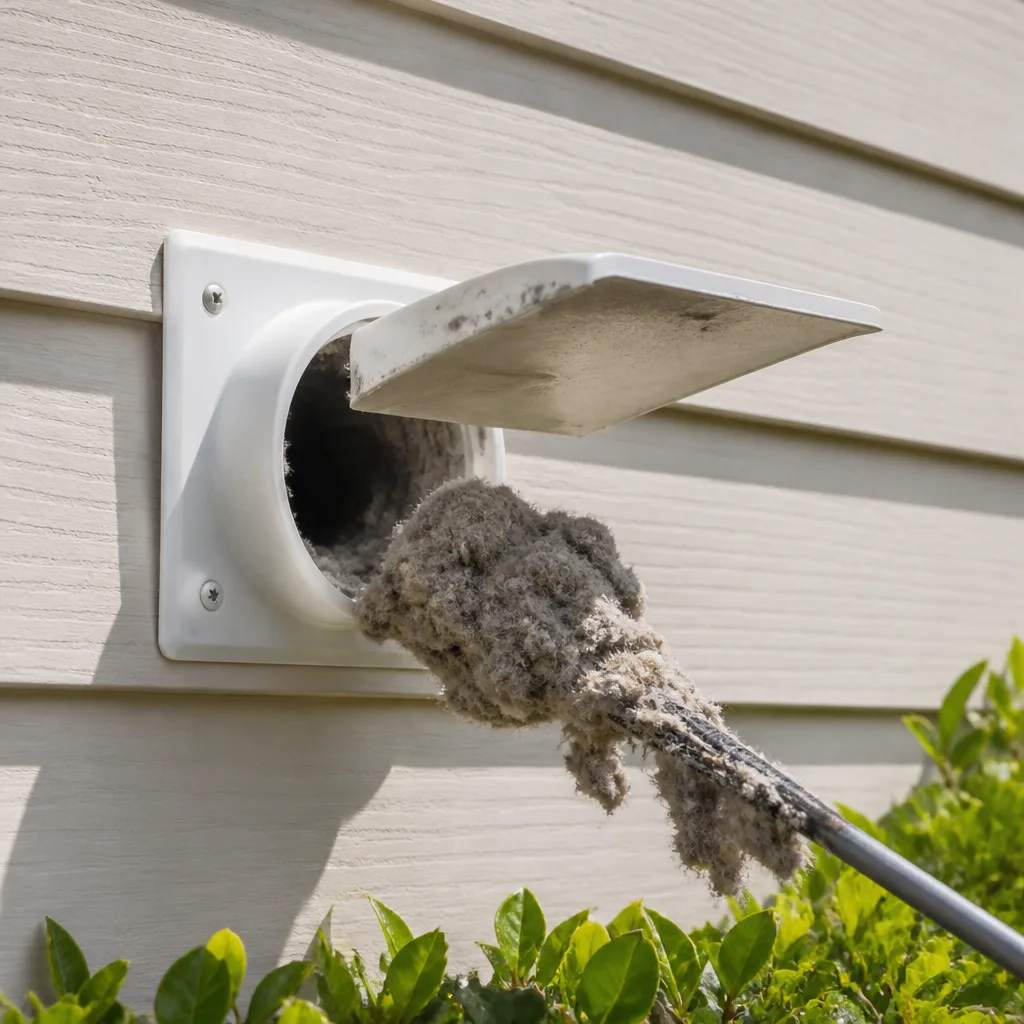 Dryer vent cleaning
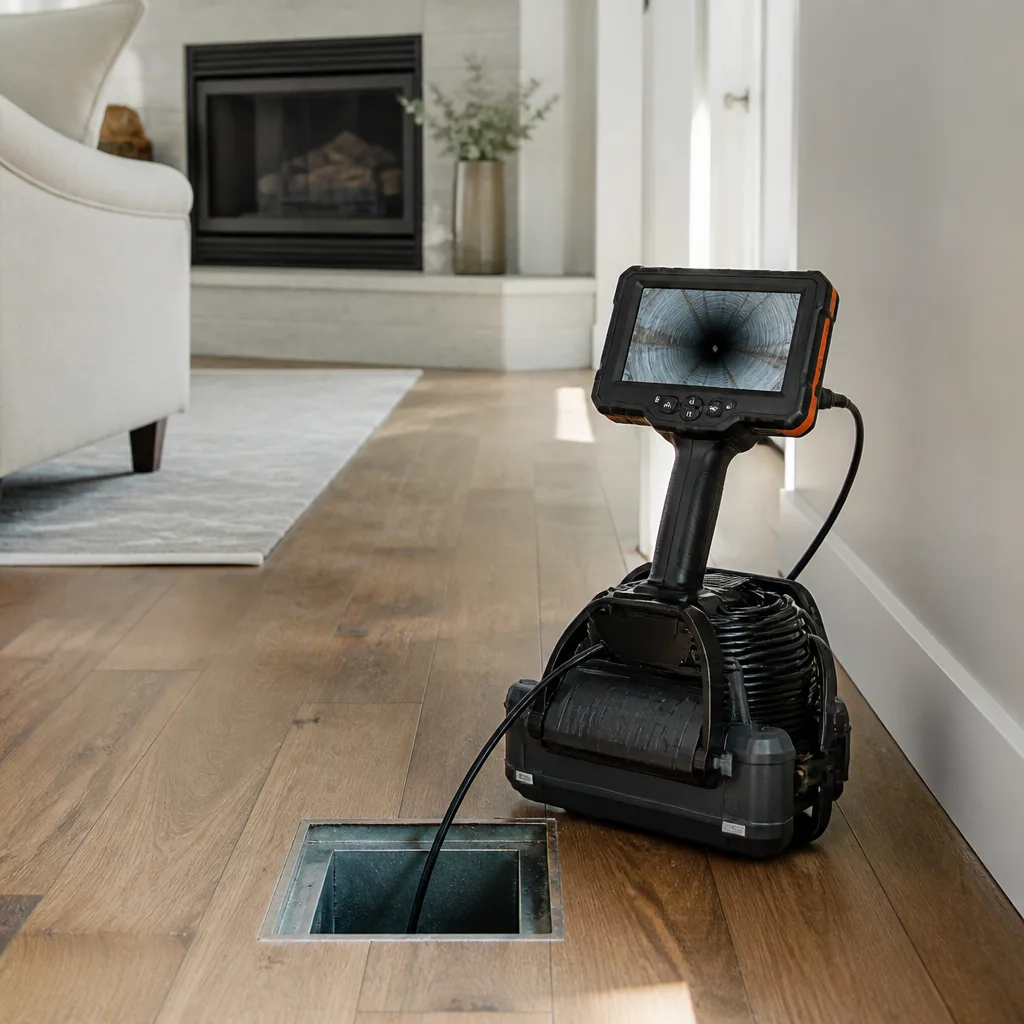 Camera inspection
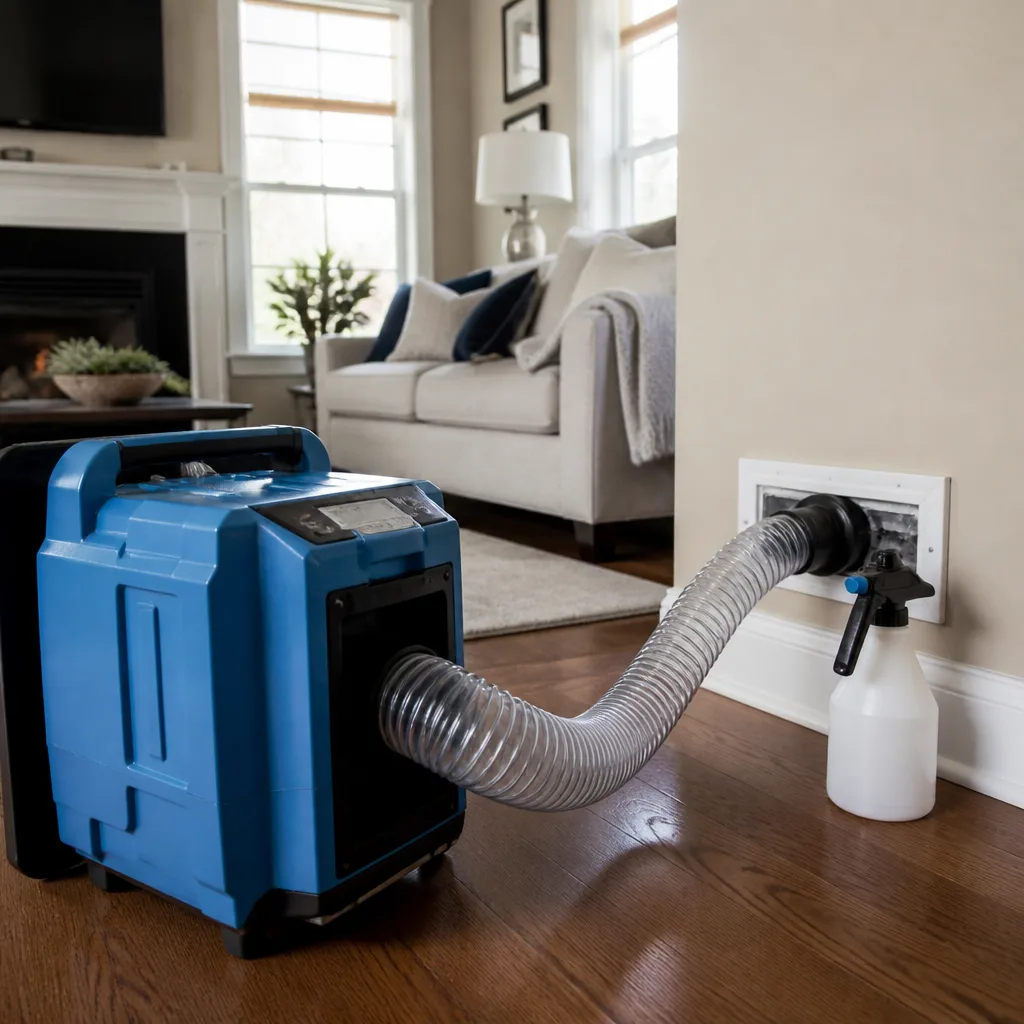 Sanitizing & deodorizing
Whole-system duct and dryer vent check with before-and-after photos - you see exactly what came out of your vents
That "$99 whole-house special" is a bait ad - the real number appears once they are in your hallway, or the "clean" is a shop-vac at the register. We photograph the inside of your ducts before and after instead.
Seasonal Air Duct Cleaning Care for Surprise: Year-Round Homeowner’s Guide
Most homeowners in Surprise treat duct cleaning as an annual checkbox, usually scheduled whenever the reminder email shows up or whenever a coupon lands in the mailbox. That approach misses the point. Surprise doesn’t run on four equal seasons. It runs on two high-stress HVAC periods (the pre-summer heat ramp and monsoon), one moderate working window, and a brief mild stretch in winter when the system finally gets a break. The single most valuable time to service your ducts in Surprise is the window between mid-April and late May – before the system starts running 10-plus hours a day for five straight months. Most homeowners miss it entirely. This guide walks through each climate phase, what it does to your ductwork, and a month-by-month action calendar built around how Surprise actually heats up and cools down.
Quick Answer
The best time to schedule a full duct cleaning in Surprise is late April through late May, before the cooling season locks in, with a follow-up inspection after monsoon season ends in September. Add dryer vent cleaning in November or December, when holiday laundry loads climb. A low-cost “whole house special” in July almost always means surface vacuuming without agitation or HEPA capture – the work that actually matters happens before the system is working hardest, not during.
Styles & brands we work with
- Whole-home duct cleaning
- Dryer vent cleaning
- Camera inspection
- Sanitizing & deodorizing
Table of Contents
- Phase One: The Pre-Summer Heat Ramp (Mid-April to Late May)
- Phase Two: Peak Cooling Season (June through September)
- How Monsoon Season Changes What’s Inside Your Ducts
- The Mild Window: What Winter Actually Does to Duct Debris
- Dryer Vent Timing: The Separate Winter Risk Window
- Month-by-Month Action Calendar for Surprise Homeowners
- What a Real Pre-Season Inspection Looks Like
- Filtration Upgrades: When They Help and When They Don’t
Phase One: The Pre-Summer Heat Ramp (Mid-April to Late May)
This is the window that pays for itself. From mid-April through late May, Surprise shifts from occasional cooling to near-constant operation. By June, most systems in this part of the Valley are running ten or more hours a day and won’t stop until sometime in October. Whatever is sitting in the ducts in April is what gets pushed through the living space all summer, cycle after cycle.
Duct debris in Surprise is a mix of things: fine desert dust that infiltrates return grilles, construction dust from new-build neighborhoods still finishing out, pet hair, and the light film of settled particulate that accumulates on duct walls during the low-airflow months. A proper pre-season cleaning uses mechanical agitation to loosen that film and HEPA-rated vacuum equipment to capture it before it gets re-suspended. That’s the difference between a real cleaning and a shop vac pass.
Why timing matters here specifically:
- Heat amplifies the problem. Once the system runs continuously, any debris left in the ducts circulates constantly. Cleaning before that happens is cleaning before the load is highest.
- Access is easier. Contractors aren’t yet booked solid on emergency calls, so scheduling a full-service visit is straightforward.
- Filter strain is measurable. A clogged return or a dust-loaded filter in May forces the blower to work harder for months. That’s not a seasonal annoyance, it’s ongoing strain on the system.
If you haven’t had a proper cleaning in more than three years, or you’ve recently finished a renovation, this is the window to book. A full-system service with agitation and HEPA capture typically takes most of a half-day for a standard Surprise home. Once that window closes in June, the same job is more complicated to schedule and often harder to do well because of heat and traffic on contractor calendars.
Phase Two: Peak Cooling Season (June through September)
During peak cooling season, cleaning is less about prevention and more about response. Once the system has been running flat out for a month or two, homeowners notice things: uneven cooling, dust settling faster than usual, a musty smell when the air kicks on, or allergy symptoms that seem worse indoors than out. Those are signals, not normal.
What we look for during peak-season inspections in Surprise:
- Filter condition and fit. A filter that’s the wrong size lets air bypass the media entirely. We see this often in newer homes where the return grille was installed quickly.
- Return air restriction. Blocked or undersized returns force the blower to pull harder, which pulls more dust through every gap in the system.
- Disconnected or crushed duct runs. Flexible duct in attic spaces can sag, kink, or separate at joints. That’s an air duct repair issue, not a cleaning issue, and it needs to be fixed before cleaning makes sense.
- Contamination at the evaporator coil. A dirty coil in August means reduced cooling capacity and higher energy use for the rest of the season.
Peak-season cleaning is entirely appropriate when there’s an active problem. But it’s not the best time for a routine full-system job. If your ducts are in reasonable shape, the pre-summer window is where the real value sits. If something has changed – new odor, visible dust at supply registers, a recently completed remodel – peak season is the time to diagnose and correct it.
One thing to watch out for: “same-day” heavily discounted cleaning offers during June and July are a red flag. When every contractor in the Valley is slammed, the only way a company can offer a very cheap same-day visit is by cutting the process short. Agitation with a rotary brush system, HEPA vacuum capture, and negative-pressure containment take time. There’s no way around that.
How Monsoon Season Changes What’s Inside Your Ducts
Monsoon season, roughly late June through September, brings something that doesn’t happen the rest of the year in Surprise: sustained humidity spikes. That changes the behavior of everything already inside the ducts.
The dust that settled during the dry months is hydrophobic on its own, but when humidity rises, that dust becomes a better substrate for biological growth. Duct surfaces that stayed dry and inert through May can become a place where microbial activity takes hold if moisture reaches them. This doesn’t happen in every home, but it happens more than most homeowners realize, especially in homes with attic duct runs, older flex duct with compromised insulation, and any system that has pulled in humid outside air through a leak.
What changes during monsoon season:
- Particulates clump. Dry dust behaves differently than damp dust. It adheres to duct walls more readily and is harder to disturb with airflow alone. That’s one reason post-monsoon cleaning is worth scheduling – the dust load accumulates differently in those months than it does in the dry stretch.
- Odor becomes the first symptom. A musty smell when the system starts is often the earliest sign that moisture has reached a duct surface. Don’t ignore it.
- Containment matters more. If a cleaning is happening in a home with suspected contamination – post-construction, post-water intrusion, or after a mold event elsewhere in the home – the work needs negative-pressure containment. Abatement Technologies equipment is what that looks like in practice. Without it, a cleaning can reintroduce particles into the living space.
Post-monsoon inspection, ideally in late September or early October, is the second-highest-value visit of the year. It closes out the season and sets up the mild months with a clean baseline.
The Mild Window: What Winter Actually Does to Duct Debris
Surprise winters are mild. That’s good for the system, but it doesn’t mean ducts stop collecting dust. It means the pattern shifts. Without cooling running 10-plus hours a day, airflow through the system drops significantly. Airflow is what keeps dust moving toward the filter. When airflow drops, more of it settles. Duct walls that stayed relatively clear through the cooling season start accumulating film during the winter.
Winter is also when other things happen in a home that matter to ductwork:
- Holiday cooking and candle use. Vaporized cooking grease and candle soot travel through return air and settle on duct walls. This is a real, measurable deposit and it accumulates faster in winter.
- More indoor time. Families spend more hours at home, pets stay inside longer, and indoor particulate from a range of normal activities increases.
- Renovation season. Many homeowners in Surprise schedule remodels and repairs in the cooler months. Drywall dust and construction particulate are the most aggressive duct contaminants we deal with.
Winter is not the right time for a full-system cleaning unless there’s a specific reason (renovation, new-purchase inspection, or a known contamination event). It is the right time for two things: an inspection, and dryer vent service. Both are covered below.
Dryer Vent Timing: The Separate Winter Risk Window
The dryer vent is a separate system from your air ducts, but it lives in the same house and has its own seasonal risk pattern. The most important thing to understand: lint accumulation in the dryer vent is a leading cause of household fires, and the risk climbs when the dryer runs more often and lint has had time to build up.
Why winter matters here specifically in Surprise: the holiday stretch from November through early January brings more laundry volume than any other time of year. Guest linens, holiday clothing, extra towels, and the general uptick in household activity stack load onto a vent that may not have been serviced in a year or more. If the vent is already partially restricted, the increased use during the holidays turns a slow problem into a real one.
Signs the dryer vent is a problem right now:
- Clothes take longer than one cycle to dry
- The dryer body or the laundry room feels hotter than it should
- Lint is visible around the outside vent flap, or the flap doesn’t open fully
- A burning smell during the dry cycle
The right timing for dryer vent cleaning in Surprise is late October or early November – before the holiday load – and again if the vent hasn’t been serviced in more than a year. If your vent is a long run with multiple elbows, or if your dryer is vented through the roof, service more frequently. Long, restricted runs are where lint builds fastest. Dryer vent cleaning is a service we handle alongside air duct work so the whole mechanical picture gets addressed in one visit.
Month-by-Month Action Calendar for Surprise Homeowners
This calendar is built against Surprise’s actual climate pattern, not the generic “spring and fall” schedule you’ll find on national sites. Every line item ties back to what the local weather is doing and what the HVAC system is doing at that moment.
- January – Inspect. Walk the house. Look at filters, check supply registers for visible dust, and note any smell when the system cycles. Schedule a free estimate if anything seems off.
- February – Filtration check. Verify filter size and fit, then replace or upgrade if the filter is bypassing air. This is a good month to discuss whole-home filtration options with the team.
- March – Renovation cleanup window. If a winter remodel just wrapped, book a post-construction duct cleaning with proper containment. Drywall dust left in the system becomes a summer-long problem.
- April – The high-value window opens. Mid-April is the start of the pre-summer service window. Book a full-system cleaning with rotary brush agitation and HEPA capture. This is the single best-timed duct cleaning of the year.
- May – Finish pre-season work. If you didn’t book in April, get it done before late May. Repair any disconnected or crushed duct run found during inspection.
- June – Watch for change. First full month of constant cooling. If dust or odor is noticeably different, that’s a signal, not a seasonal nuisance.
- July – Don’t take the discount bait. Peak season cleaning only makes sense for active problems. Skip the deep-discount same-day offers.
- August – Respond to symptoms. Musty smell, uneven cooling, or elevated filter strain indicates something specific. Get it diagnosed.
- September – Post-monsoon inspection. Close out the season. Look for moisture-related odor, filter condition, and any duct damage from high summer loads.
- October – Post-monsoon cleaning if needed. If the inspection flagged debris load or contamination, this is the second-best window to clean.
- November – Dryer vent cleaning. Before the holiday laundry surge. Late October through early November is the sweet spot.
- December – Evaluate filtration before the new year. If the last twelve months showed recurring dust or allergy issues, plan a filtration upgrade conversation for early in the year.
None of this is meant to replace an inspection when something changes. It’s meant to give you a default schedule that matches how the house actually behaves in Surprise rather than how seasonal advice from a national franchise assumes it does.
What a Real Pre-Season Inspection Looks Like
A pre-season inspection in late April or early May is not a sales visit. It’s a structured review of the system condition so you know what you’re walking into before the cooling season. Here’s what it should cover:
- Return and supply grille review. Every return and supply register gets checked for airflow, visible dust, and physical condition.
- Filter condition and fit. Correct size, correct MERV rating for the system, and confirmed seal at the edges. A filter that bypasses is worse than no filter.
- Duct run inspection. Flexible duct in attics and crawl spaces gets checked for kinks, crushed sections, disconnections at joints, and torn insulation. These are air duct repair findings, and they need to be addressed before cleaning does any good.
- Contamination assessment. Visible buildup, odor, moisture evidence, or recent events (renovation, water intrusion) all change the cleaning protocol.
- Equipment review. This is where you ask the important question. What equipment will actually be used in your home? A rotary brush agitation system like Rotobrush mechanically loosens debris from duct walls. A HEPA-rated vacuum system like Nikro captures particles at the source so they don’t re-circulate. If a contractor can’t name the equipment, that’s the answer you need.
The inspection should also flag when a proper cleaning is not the right call. If ducts are contaminated with mold growth or water-damaged material, that’s outside the scope of cleaning and needs to be addressed by a mold professional. We don’t do mold remediation. Knowing what you don’t handle is part of getting this right.
Filtration Upgrades: When They Help and When They Don’t
Air filtration is where a lot of duct companies overreach. Higher MERV filters are not automatically better. A filter that’s too restrictive for the blower can reduce airflow to the point where the system loses efficiency, which defeats the purpose. The right filtration decision depends on the system, the return setup, and what’s actually in the air.
When a filtration upgrade makes sense:
- Allergy or respiratory concerns in the household. A well-matched media filter or whole-home system can reduce circulating particulate in a way that a standard 1-inch filter can’t.
- Repeated visible dust at supply registers. That indicates filter bypass or media saturation, both of which a properly sized system can address.
- Recent renovation. Post-construction, filtration runs at a higher level of importance for the first year.
When it doesn’t:
- When the ducts themselves are dirty. Filtration treats what’s in the air, not what’s accumulated on duct walls. Clean first, then filter.
- When the system wasn’t designed for high-MERV media. Retrofitting a restrictive filter onto an underpowered system costs efficiency.
- When the returns are undersized. Filtration can’t fix an airflow problem.
We work with Honeywell and Aprilaire filtration products because both offer systems that integrate cleanly with existing residential HVAC setups. The right answer is rarely the most aggressive filter – it’s the filter that matches the system. Ask during the pre-season inspection so you can make the decision with the whole picture in view.
Common Mistakes to Avoid
- Treating duct cleaning as a once-a-year checkbox. In Surprise, the two critical windows are April-May and September-October. A cleaning done in February gets undermined by the pre-summer dust load. A cleaning done in July is happening after the highest debris load of the year has already circulated.
- Accepting a “whole house” price without asking about equipment. The difference between a real cleaning and a surface job is rotary agitation and HEPA capture. If a quote is very low, ask specifically what equipment will be in the home.
- Skipping the pre-season inspection when you’re not booking a cleaning. The inspection catches duct repair issues (disconnected runs, crushed flex) that cleaning won’t fix. You want those found in April, not August.
- Cleaning ducts without addressing a damaged system. If a duct run is disconnected, cleaning it is pointless. The debris comes right back and the cooled air is going into the attic anyway.
- Waiting until after the holidays for dryer vent cleaning. If the vent has any restriction, November through January is the highest-risk window. Late October is when it should be serviced.
- Assuming a higher-MERV filter is always the better choice. An oversized filter can reduce airflow and cost efficiency. Match the filter to the system.
- Ignoring a monsoon-season musty smell. That smell is the earliest indicator of moisture reaching duct surfaces. It usually doesn’t fix itself when the humidity drops.
See the difference
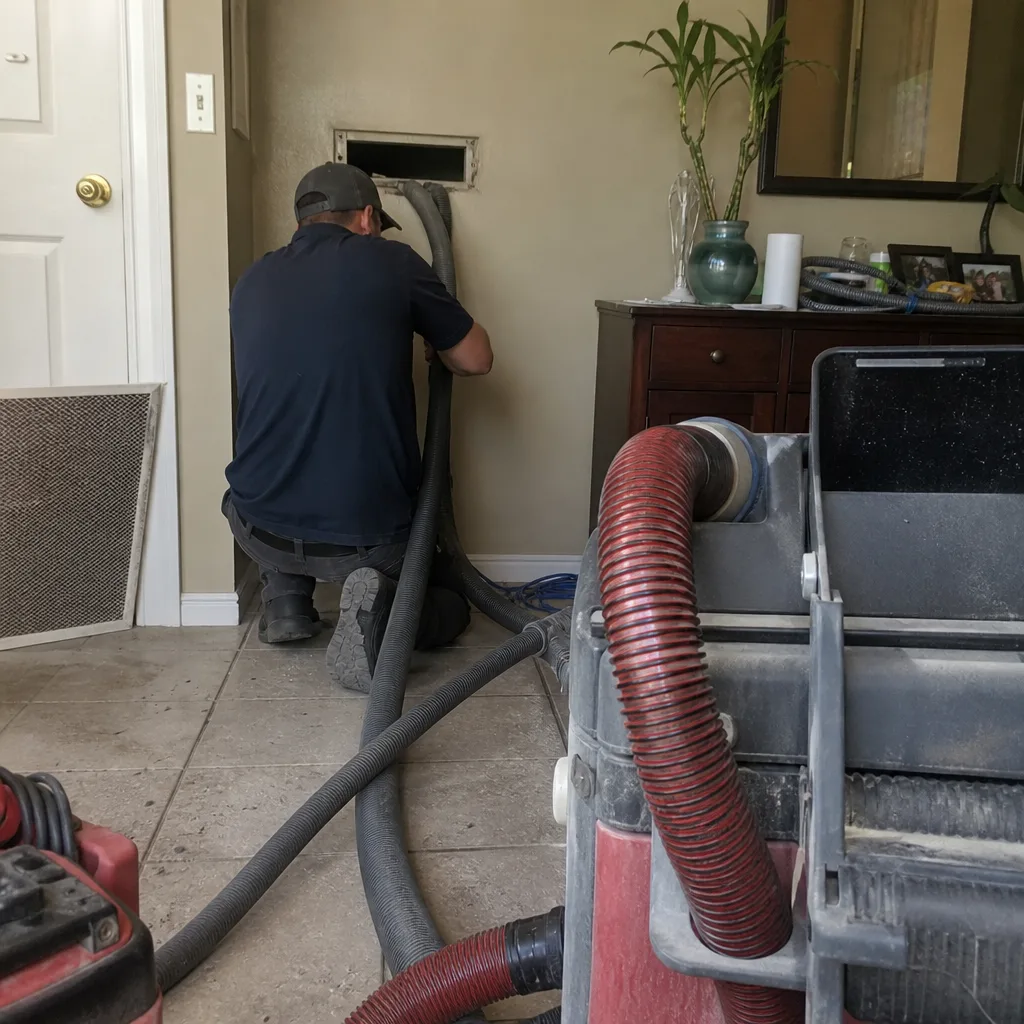 Before
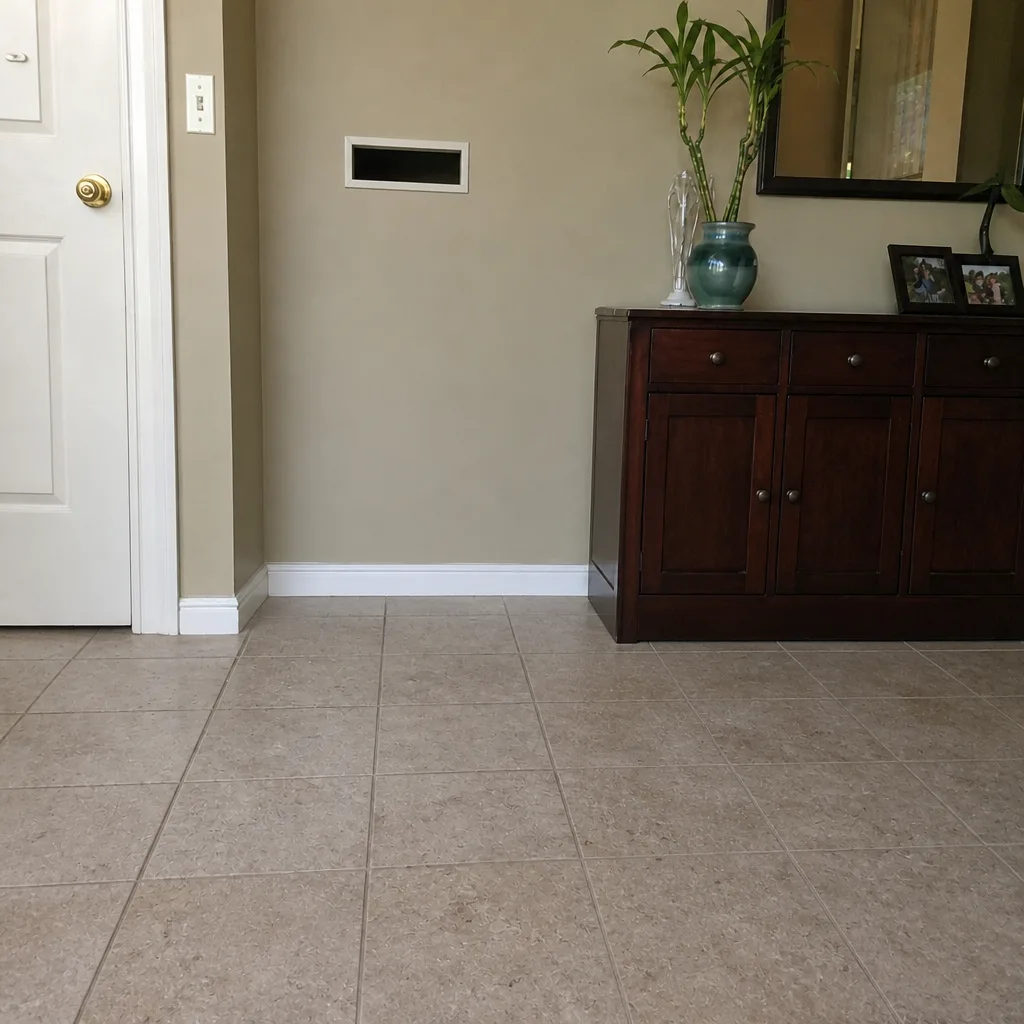 After
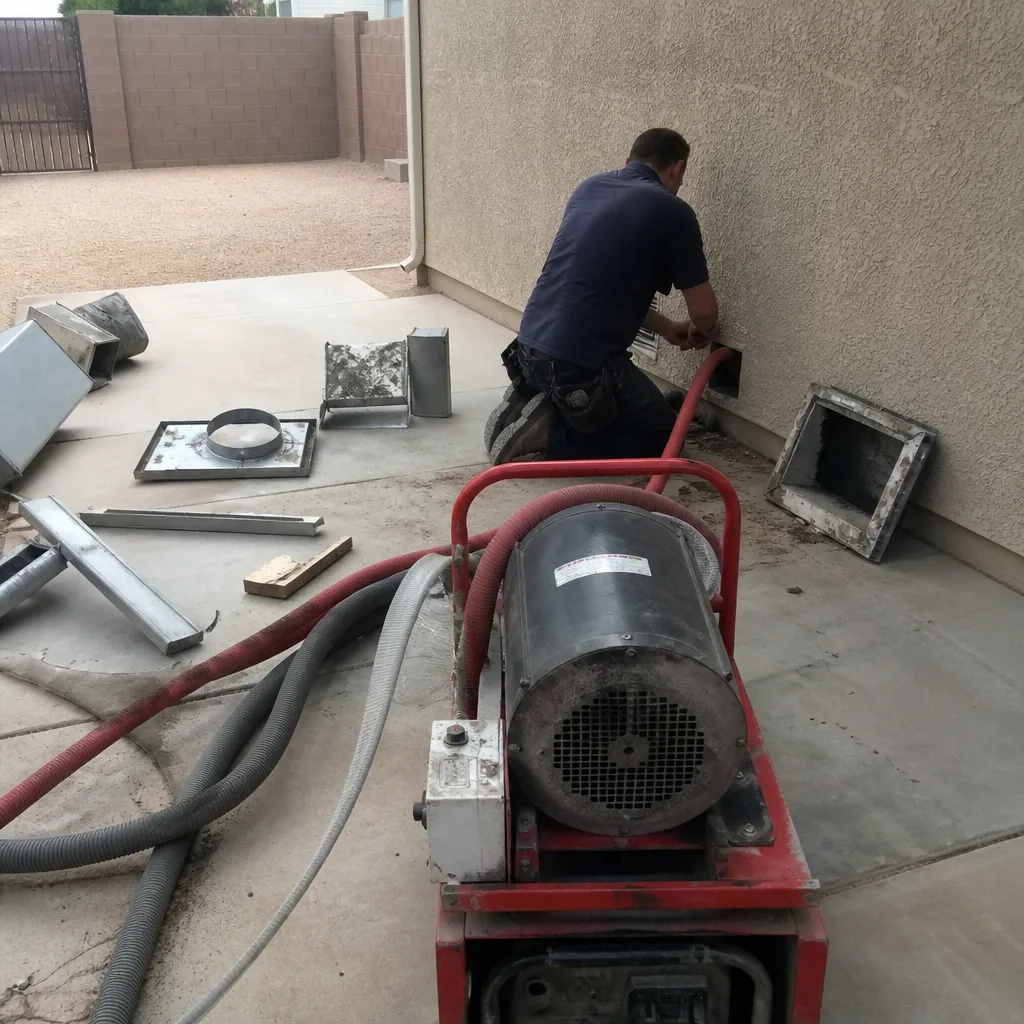 Before
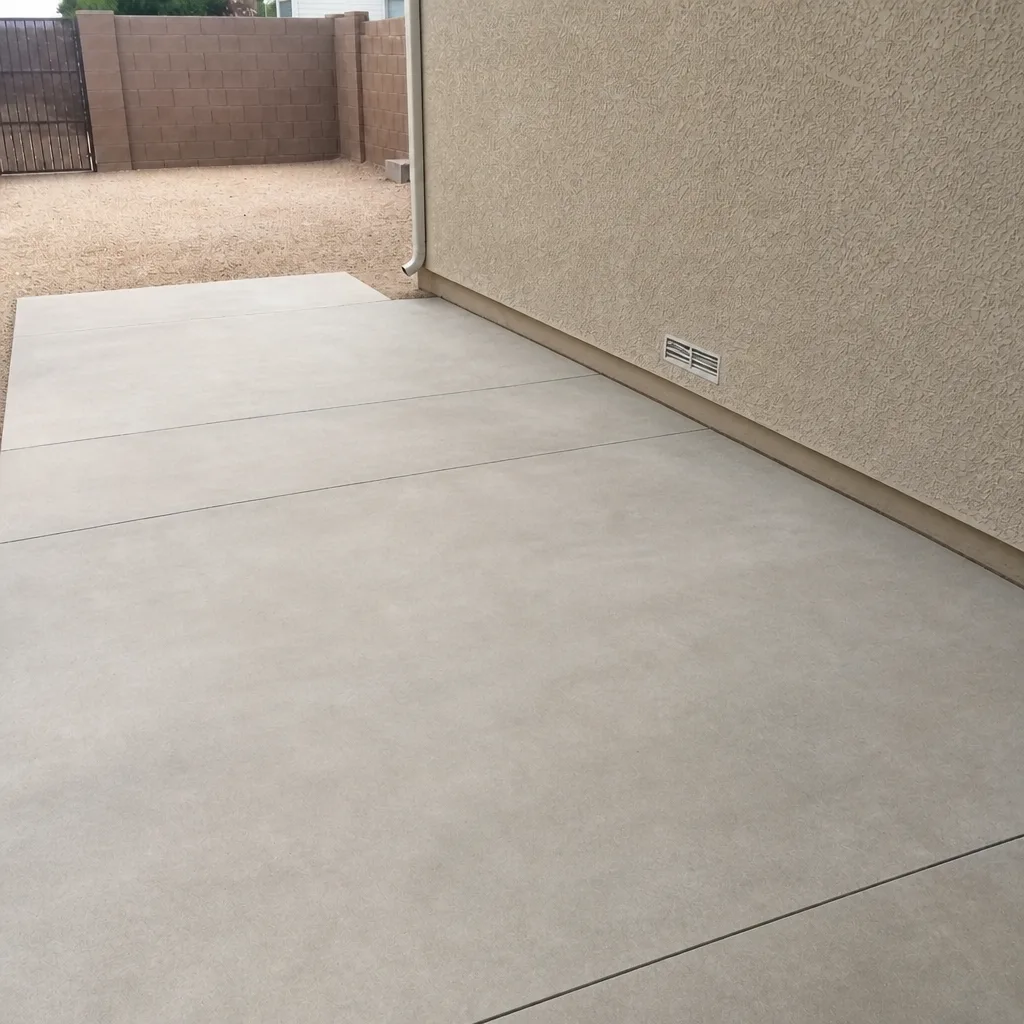 After
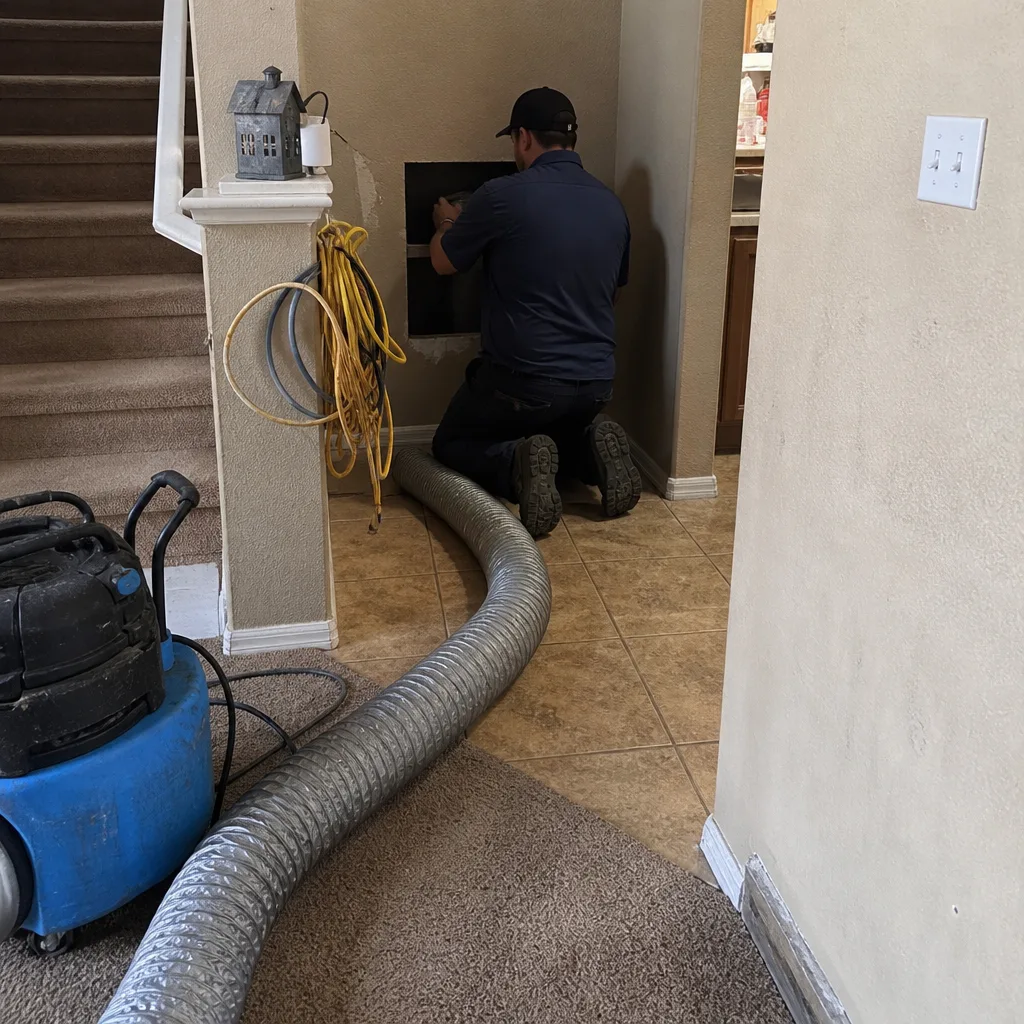 Before
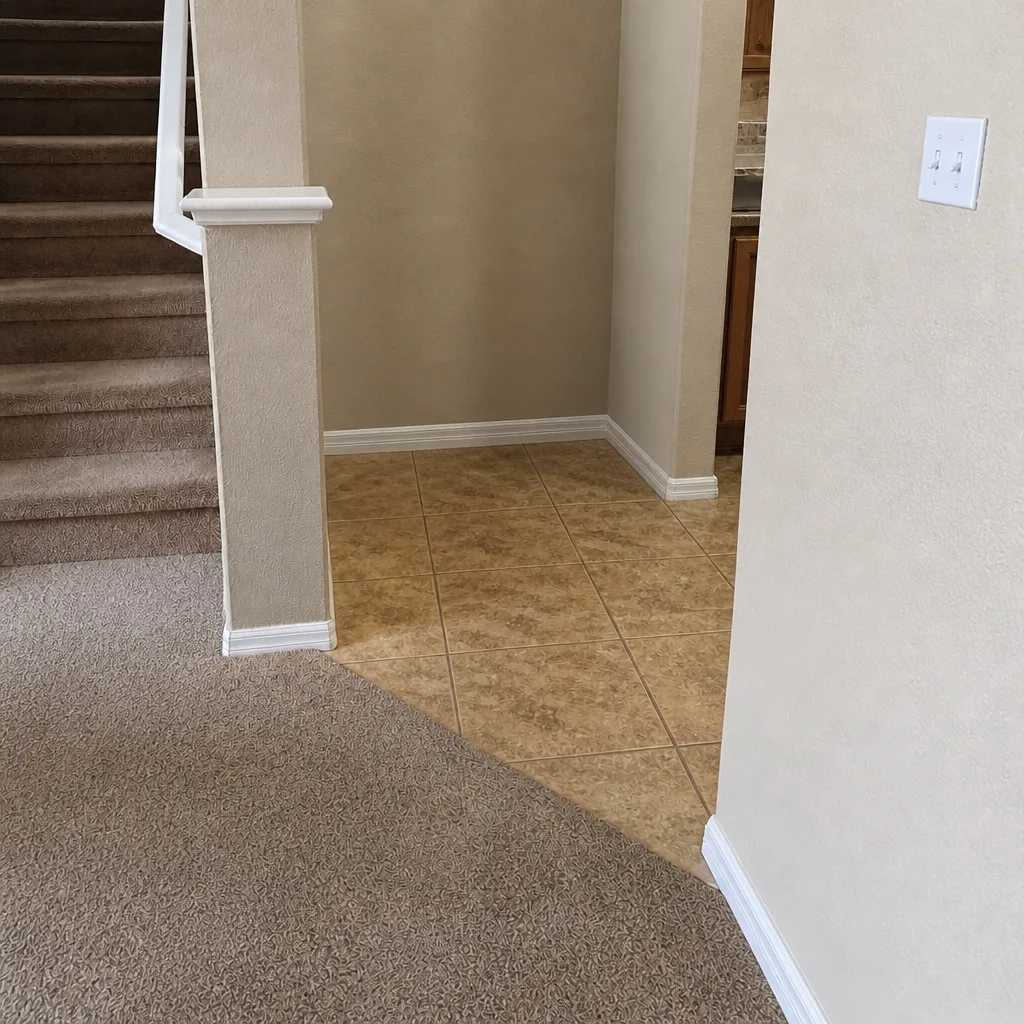 After
When to Call a Professional
Some duct work is fine to monitor yourself. Filter changes, grille cleaning, and a walk-through in April cover the low-effort part of the calendar. When something changes, it’s time to call. Specifically: visible dust at supply registers that returns within weeks of a cleaning, a musty or stale smell when the system cycles, uneven cooling in one or two rooms, a recent renovation that generated a lot of dust, a dryer that takes longer than one cycle to dry clothes, or a home purchase where the ductwork history is unknown.
Those signals point to something more than a routine cleaning. They may indicate duct damage, moisture, filter bypass, or contamination that needs proper equipment and proper containment. We clean it, and if it’s broken, we fix it – which means the whole picture gets addressed, not just the vacuuming part. Duct Cleaning Surprise offers free estimates in Surprise – call (866) 942-6251. We answer 24/7. Fast dispatch from 7am to 7pm, Sunday through Friday.
Frequently Asked Questions
Most homes in Surprise do well with a full-system cleaning every two to three years, timed to the April-May pre-summer window. Homes with pets, recent renovations, allergy concerns, or heavy cooling-season dust should move to every one to two years. A free estimate can tell you whether your current debris load actually warrants cleaning now or can wait another season. Call (866) 942-6251 to schedule one.
The best month is April or early May, before the system starts running ten-plus hours a day through the summer. Post-monsoon (late September through October) is the second-best window. Cleaning in the middle of peak cooling season is fine when there’s an active problem, but it’s not optimal for routine maintenance. Call (866) 942-6251 for an exact estimate.
Yes, though not in the way most homeowners expect. Monsoon doesn’t flood ducts directly, but sustained humidity does change how settled dust behaves on duct surfaces. Dry that’s been sitting in the system becomes a better substrate for biological growth when humidity rises, especially in homes with attic duct runs. Post-monsoon inspection catches this early. Call (866) 942-6251 to book one.
The honest answer: it depends on the size of the system, the number of duct runs, the current debris load, and whether duct repair is needed. We set one flat price per system, agreed before work starts, with no per-vent pricing. That’s different from the teaser coupon model where a low advertised rate becomes a much bigger invoice once the technician is on site. We also provide before-and-after photos of your own ducts so you can see what was actually done. Call (866) 942-6251 for a free estimate.
Because they’re doing much less. A genuinely low quote usually means a shop vac pass over the accessible grilles with no mechanical agitation and no HEPA-rated capture. That approach doesn’t disturb the debris bonded to duct walls, and it can re-suspend particles into your living space instead of removing them. Contractor-grade equipment is the cost driver – there’s no way to deliver it at a bargain price. Call (866) 942-6251 for an exact quote and ask specifically what equipment will be in your home.
It’s smart to schedule dryer vent cleaning in late October or early November, before the holiday laundry load kicks in. Whether it’s the same visit as duct cleaning depends on timing – if your ducts are due for a cleaning in April, it’s worth doing the dryer vent then and again the following fall. If you’re booking a fall appointment, doing both together covers the full mechanical picture in one visit. Call (866) 942-6251 for an exact estimate.
The Bottom Line
Duct care in Surprise isn’t a calendar-quarter exercise. It’s timed to the two high-stress periods (pre-summer heat ramp and post-monsoon humidity) with dryer vent maintenance hitting in the run-up to the holidays. If you take one action from this guide, make it the pre-season cleaning in late April or early May. That’s the highest-ROI service window of the year, and it’s the one most homeowners skip. If you handle nothing else, at least get the April inspection done so you know what you’re heading into. Everything after that is easier once you have a baseline.
If you’re ready to work through the calendar with proper equipment behind the work, Duct Cleaning Surprise runs professional Rotobrush agitation systems and Nikro HEPA-rated vacuum equipment – the same tools commercial contractors use. Our technicians have up to 11 years of experience. We work with your insurer, provide before-and-after photos of your own ducts, and set one flat price per system before any work starts. Licensed & insured. For a free estimate, call (866) 942-6251. We answer 24/7. Fast dispatch from 7am to 7pm, Sunday through Friday. Or start with air duct cleaning for the core service, add dryer vent cleaning for the full picture, and see the duct cleaning Surprise overview for the whole scope of what we do.
Written by the team at Duct Cleaning Surprise.