
Last updated November 15, 2026
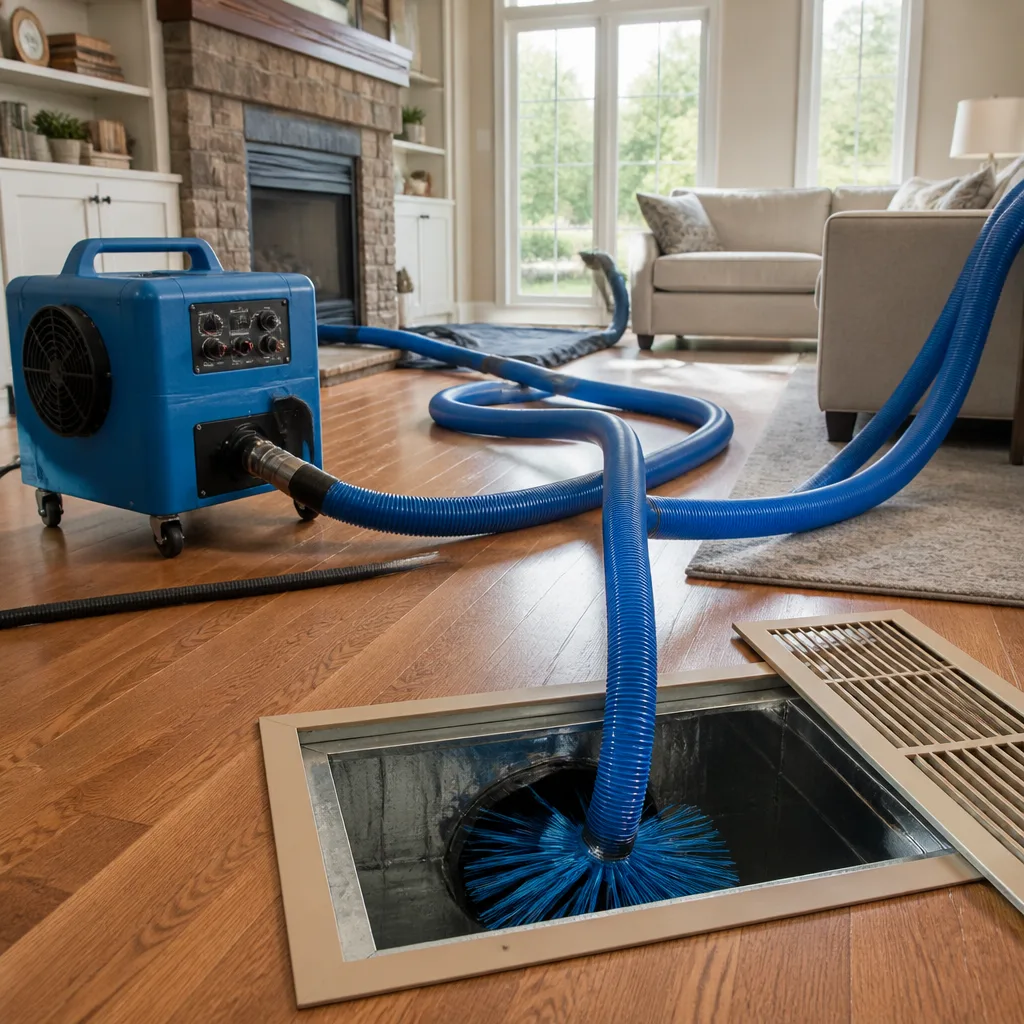 Whole-home duct cleaning
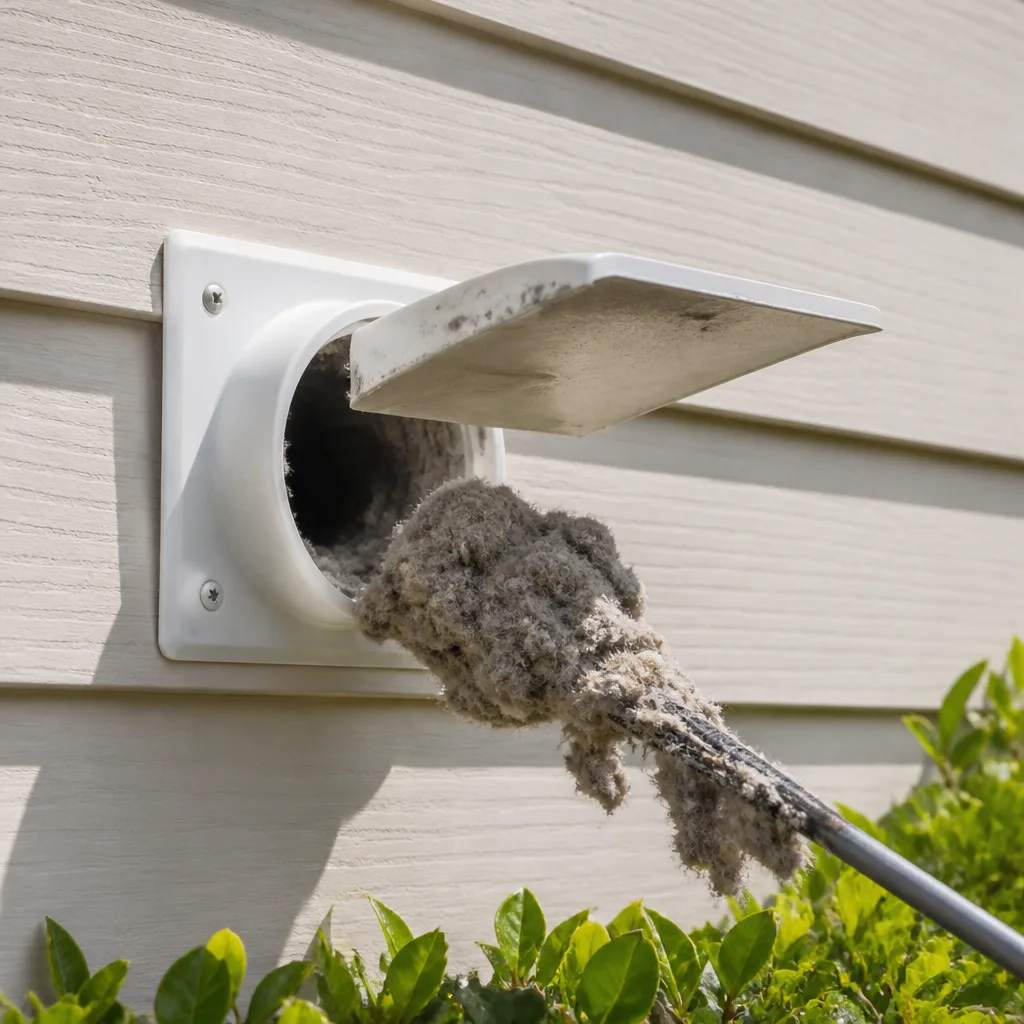 Dryer vent cleaning
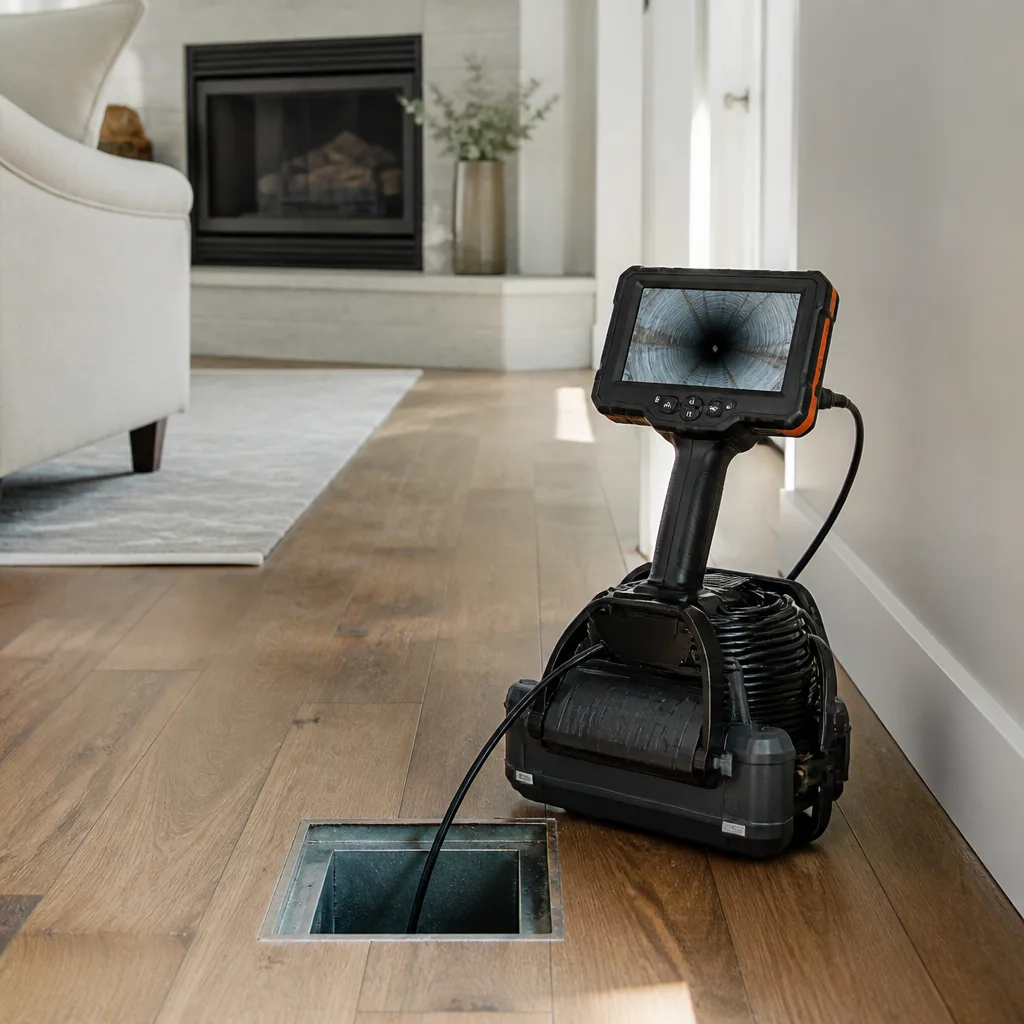 Camera inspection
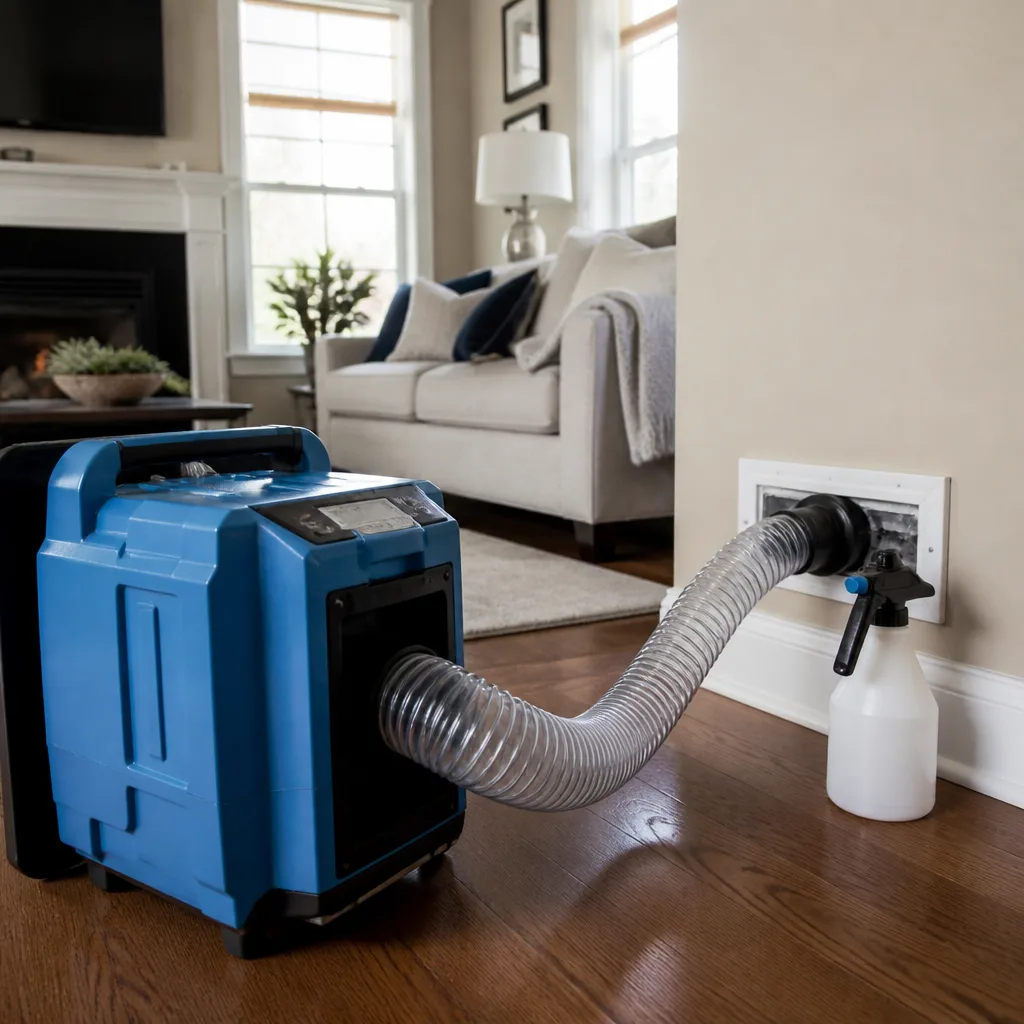 Sanitizing & deodorizing
Whole-system duct and dryer vent check with before-and-after photos - you see exactly what came out of your vents
That "$99 whole-house special" is a bait ad - the real number appears once they are in your hallway, or the "clean" is a shop-vac at the register. We photograph the inside of your ducts before and after instead.
The Complete Guide to Air Duct Cleaning in Surprise
Surprise, Arizona runs its air conditioning harder than almost any city in the country. From May through September the system rarely shuts off, and even in what passes for winter here the thermostat still kicks on most afternoons. That single fact changes everything about duct cleaning. National guides assume your ducts sit idle half the year and pick up dust slowly. Yours don’t. They’re moving filtered desert air thousands of hours a year, and the debris load builds far faster than those guides admit. This guide explains what’s actually happening inside a Surprise home’s duct system, what a real clean involves, and how to tell whether the work was done right.
Quick Answer
Air duct cleaning in Surprise is a whole-system, negative-pressure process that removes accumulated dust, construction debris, and allergens from every branch of your ductwork and the air handler, then verifies airflow afterward. It matters more here than in most markets because desert dust and heavy AC runtime cause faster buildup. A proper job uses contractor-grade agitation and HEPA vacuum equipment, not a shop vac and a hose.
Styles & brands we work with
- Whole-home duct cleaning
- Dryer vent cleaning
- Camera inspection
- Sanitizing & deodorizing
Table of Contents
- Why Surprise Ducts Load Up Faster Than the National Average
- How a True Whole-System Clean Actually Works
- Negative Pressure vs. Blow-and-Vacuum
- Flex Duct vs. Sheet Metal: What’s in Surprise Homes
- The Equipment That Separates a Real Clean from a Surface Wipe
- How to Verify the Job Was Actually Done
- When Cleaning Isn’t Enough: Duct Repair and Sealing
- Your Dryer Vent Is Part of the Same Picture
Why Surprise Ducts Load Up Faster Than the National Average
Surprise sits in the West Valley, where the air carries fine desert dust most of the year. That dust is relentless. It settles on the return-side grilles, gets pulled through the filter, and whatever makes it past the filter coats the interior of your ducts. Now add AC runtime. A home in a mild climate may run its system a couple thousand hours a year. A Surprise home runs far closer to year-round, with a punishing summer stretch where the system cycles all day and into the evening.
Combine heavy runtime with dust-laden air and you get a straightforward result: the same duct system accumulates debris at a much faster rate than a national cleaning guide would suggest. That’s the core reason we treat Surprise as its own case rather than applying a generic schedule.
A few local realities drive this:
- New construction dust. Surprise has grown fast, and new-build neighborhoods mean drywall dust, sawdust, and construction grit pulled into brand-new ductwork during the first cooling season.
- Return-side loading. Returns do the heaviest lifting and collect dust fastest, which is why a clean that skips them accomplishes little.
- Long cooling season. More runtime means more air passing over every surface, and more opportunities for dust to stick.
None of this means every Surprise home needs cleaning on a rigid timer. It means the buildup curve is steeper here, so the decision to clean should come from what’s actually in your ducts, not from a calendar someone hands you over the phone. For the service itself, see our air duct cleaning page. If you’re comparing us against other options around the West Valley, the parent Duct Cleaning Surprise page lays out how we work.
How a True Whole-System Clean Actually Works
A real clean is a sequence, not a single pass with a vacuum. The order matters because it determines whether loosened debris is captured or just redistributed through the house. Here’s how a proper whole-system job unfolds:
- Inspection first. We check the air handler, the supply and return trunks, the branch runs, and the filter. This step tells us the duct material, the level of contamination, and whether anything is disconnected or damaged.
- Containment and negative pressure. A HEPA-rated vacuum connects to the system and holds the ductwork under negative pressure for the duration. Air flows toward the vacuum, not into living spaces.
- Mechanical agitation. A rotary brush system travels each branch and the trunks, loosening the bonded dust layer that suction alone can’t lift.
- Source capture. The loosened debris is pulled into the HEPA vacuum at the point of agitation, so particles don’t recirculate into the rooms.
- Air handler and coil area. The blower compartment and accessible coil surfaces get attention, because a clean duct system feeding a dirty air handler defeats the purpose.
- Verification. We check airflow at the registers, confirm the filter condition, and show before-and-after photos of your own ducts.
That’s the shape of the work in a Surprise home. The one flat price per system is agreed before anything starts, and it covers the whole system, not a per-vent tally that grows as the job goes on.
Negative Pressure vs. Blow-and-Vacuum
Here’s where budget duct cleaning and professional duct cleaning part ways. A “blow-and-vacuum” approach uses compressed air or a spinning nozzle to knock debris loose while a vacuum pulls at one end. Sounds reasonable. The problem is that when vacuum capture isn’t strong enough or agitation outruns suction, dust escapes into the house. You may not see it immediately, but it settles on surfaces and into the supply air.
Proper negative-pressure protocol keeps the entire system under vacuum the whole time. With Abatement Technologies containment equipment, we can even handle contaminated-air situations properly: post-renovation construction dust, situations following a moisture event, and remediation-adjacent jobs where containment matters as much as cleaning. Those aren’t the jobs a shop vac can touch.
The practical difference for a Surprise homeowner comes down to three things:
- Capture at the source. Debris is trapped as it’s loosened, not after it’s already airborne.
- Containment. Negative pressure means the dust is contained inside the system, not escaping into the room.
- Contamination handling. Heavy contamination scenarios need equipment built for them, and most single-service cleaners don’t carry it.
When someone quotes a surprisingly low price, it’s often because the job is a blow-and-vacuum. That’s worth understanding before you compare numbers. See how we handle Surprise homes specifically if you want the local picture.
Flex Duct vs. Sheet Metal: What’s in Surprise Homes
The material of your ductwork shapes how it should be cleaned, and Surprise’s housing stock is a mix. Older homes and some custom builds lean toward rigid sheet metal trunk lines, which can take aggressive rotary brushing and hold up well to repeated cleaning. Much of the newer construction across the West Valley uses flex duct for the branch runs, and flex behaves differently.
Flex duct is a corrugated, flexible tube, often with an internal liner. That corrugation traps dust in the ridges and requires a gentler, more controlled touch than sheet metal. Push a rotary brush too hard through flex and you risk damaging the liner or pulling a connection loose. So the method changes with the material, and a technician who cleans everything the same way is a red flag.
In practice, most Surprise systems combine both: sheet metal for the main trunks, flex for the branches to individual rooms. That means a thorough job adapts as it moves through the system. It also means a cleaning that only addresses the accessible branches and skips the trunks isn’t a whole-system clean. If you’re wondering how much of your system is flex versus metal, that’s one of the first things a proper inspection answers.
The Equipment That Separates a Real Clean from a Surface Wipe
You can learn a lot about a duct cleaning company by asking what equipment it uses. Vague answers about “professional-grade systems” tell you nothing. Specific names do. The tools matter because they’re what actually determine the result.
- Rotobrush rotary brush systems. The benchmark for mechanical agitation in residential ductwork. The rotary action loosens bonded dust that suction alone leaves behind.
- Nikro HEPA vacuum systems. HEPA-rated filtration captures fine particles at the source, so dust doesn’t recirculate back into your air during the job.
- Abatement Technologies containment. Negative-pressure containment for contaminated-air scenarios, including post-construction and remediation-adjacent work.
Alongside the cleaning hardware, we work with Honeywell and Aprilaire filtration products, which means we can speak to the filtration side of the picture, not just the cleaning side. Our technicians have up to 11 years of experience, and the contractors we connect you with use contractor-grade tools built for real ductwork, not consumer equipment. You can learn more on our Duct Cleaning Surprise page if you want to compare what’s in the truck against a lowball quote.
How to Verify the Job Was Actually Done
This is the question most homeowners quietly worry about, and it’s fair. Duct cleaning has a reputation problem because a technician can claim a full clean and leave without doing much. You shouldn’t have to take anyone’s word for it. Here’s how to verify the work yourself:
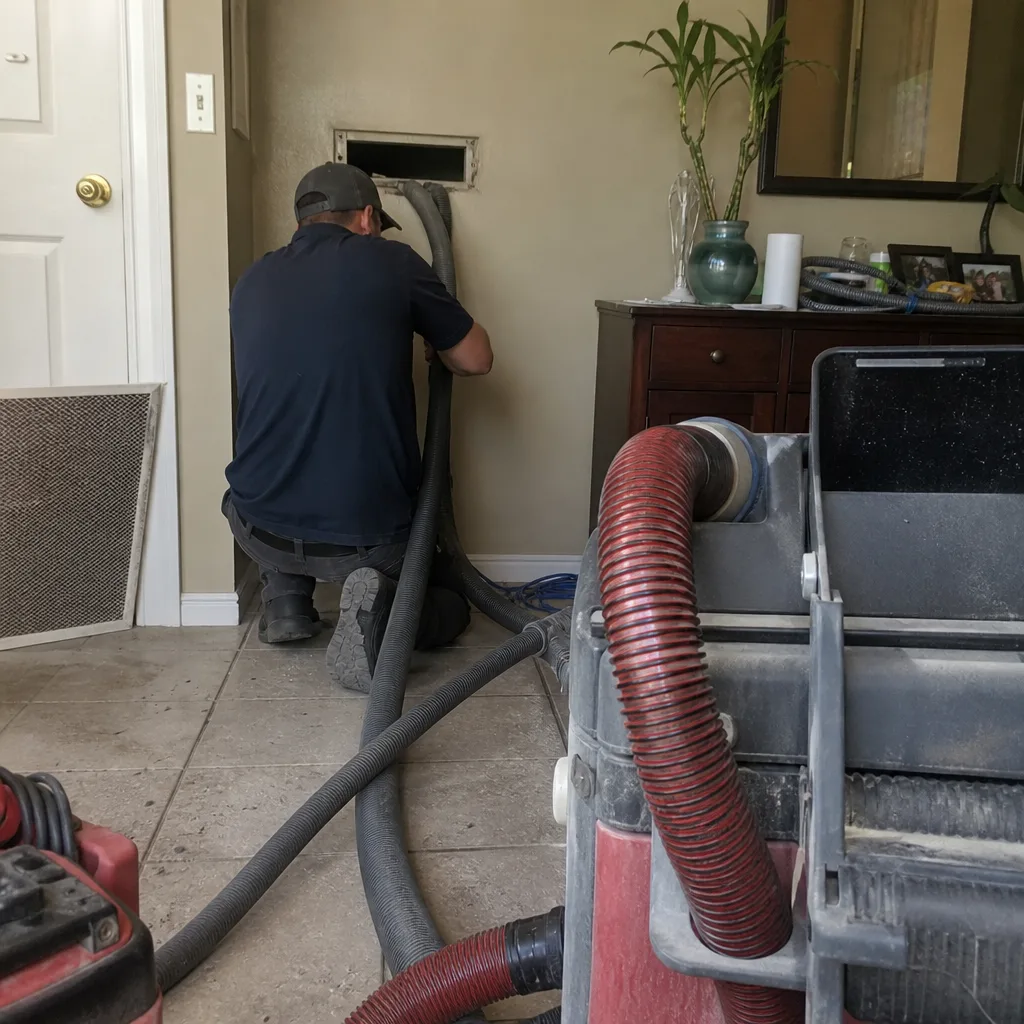
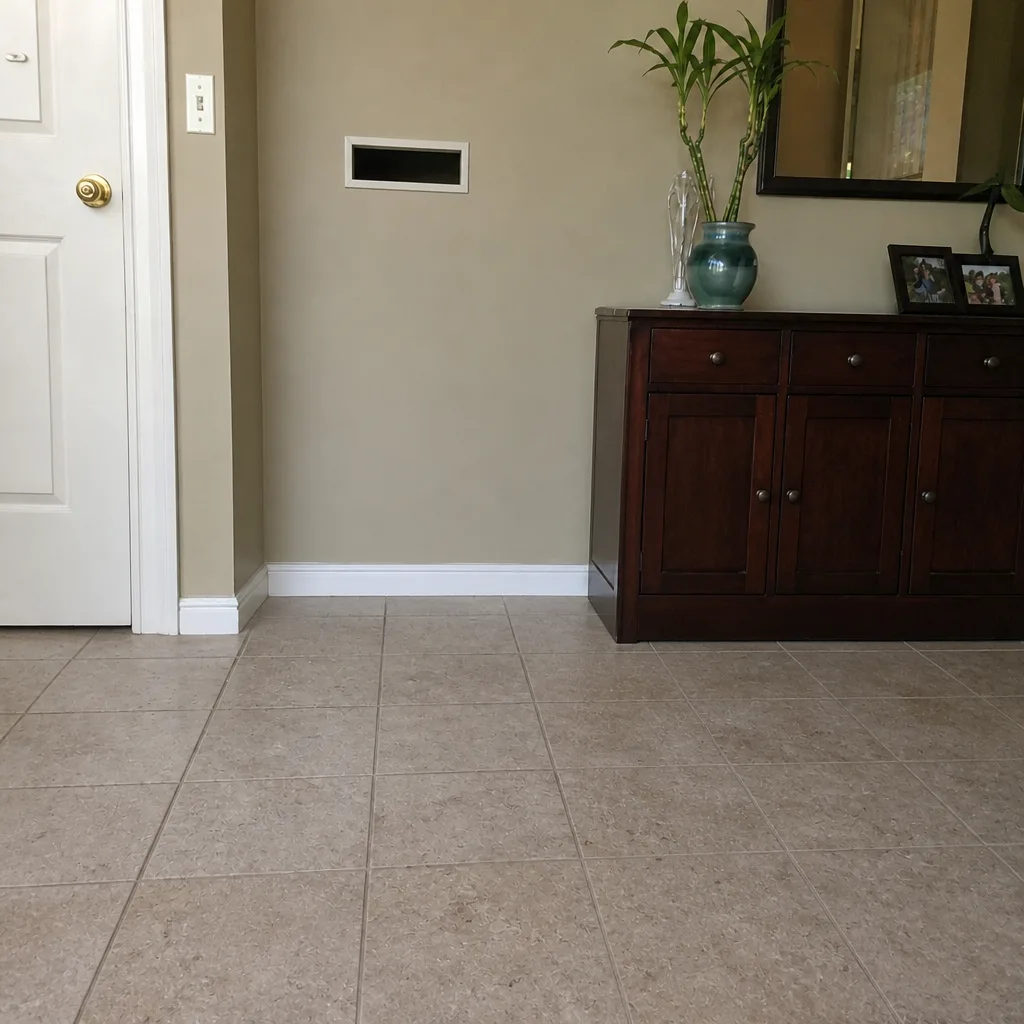
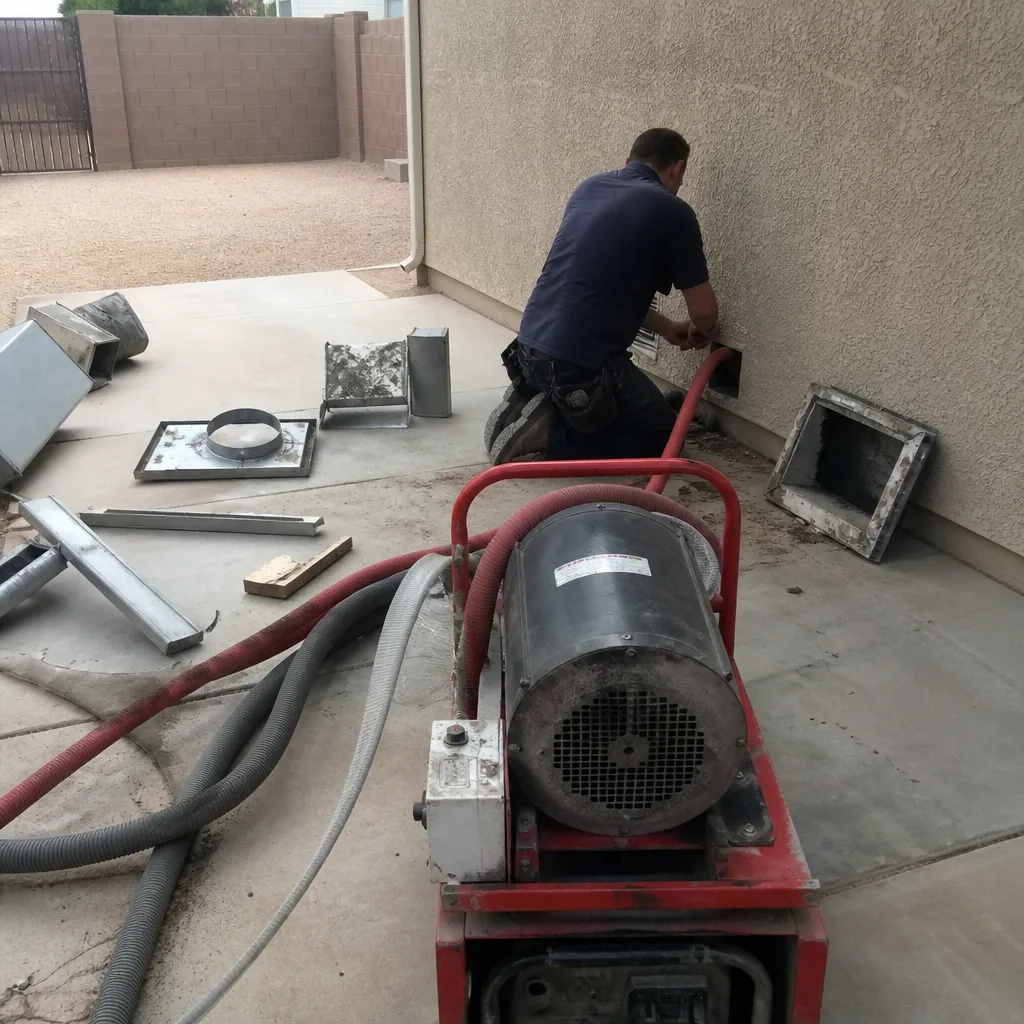
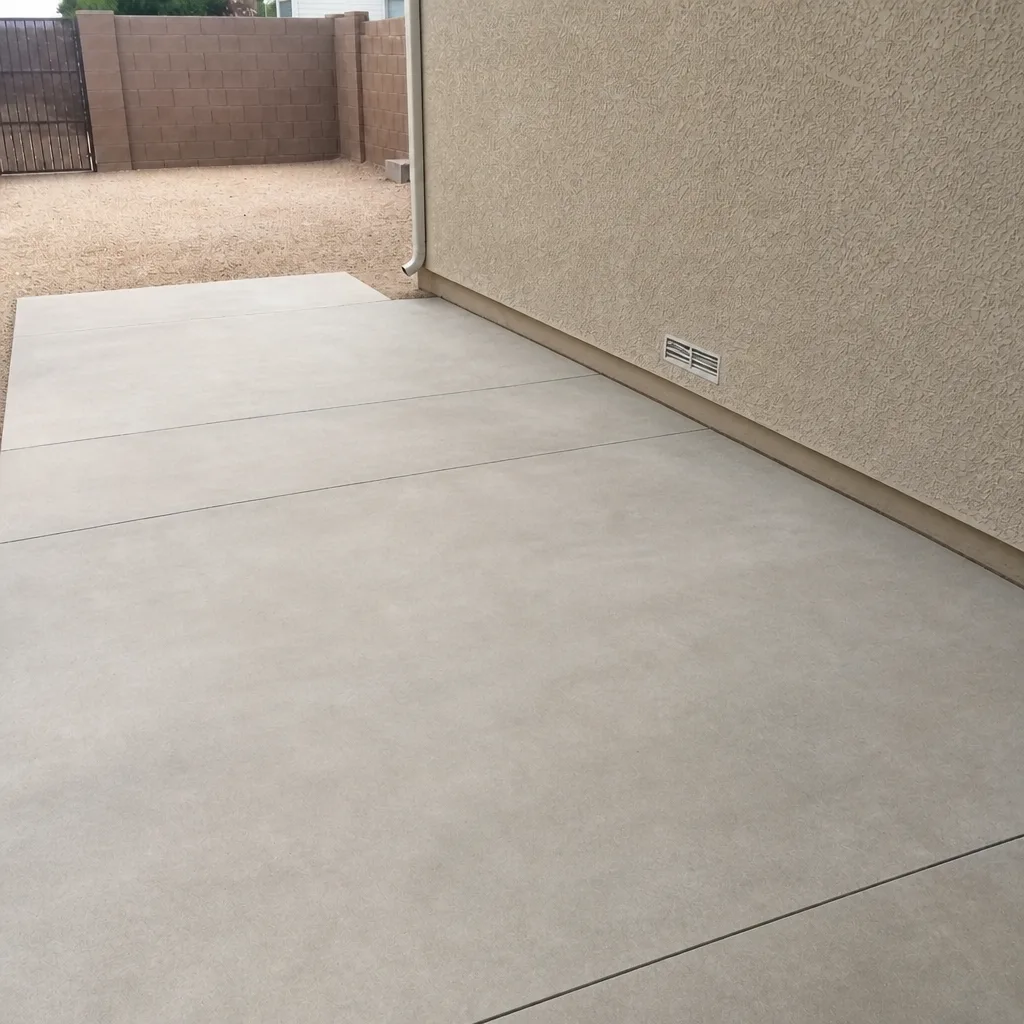
- Watch the before-and-after photos. A real clean documents your ducts with photos taken at the same spots. Ask to see them.
- Check airflow at the registers. After a proper clean, airflow should feel even and strong across the supply registers. Noticeable weakness at one register afterward is worth flagging.
- Inspect the filter. A fresh filter shouldn’t be caked with debris from the job. If it is, the clean missed something.
- Look at the return grilles. Returns should be clean when the job is done, not dustier than when the technician arrived.
- Ask about the air handler. Confirm the blower compartment and accessible coil area were addressed. A clean duct system on a dirty air handler is half a job.
We build before-and-after photos of your own ducts into every job for exactly this reason. The written estimate sets the price, one flat price per system, and there’s no per-vent surprise at the end.
When Cleaning Isn’t Enough: Duct Repair and Sealing
Some duct problems aren’t fixed by cleaning. If a branch run has come disconnected, if a joint is leaking, or if flex duct is crushed or torn, cleaning the system won’t restore your airflow. In fact, cleaning a compromised system is often a waste, because the moment it’s running again it’s pulling dusty attic air through the gap.
This is where repair makes the difference. We handle air duct repair alongside cleaning, so a damaged or disconnected run gets fixed rather than just cleared of debris. Signs your system may need repair rather than cleaning alone:
- Some rooms never cool evenly, while others are fine.
- You hear whistling, rattling, or a rush of air in the attic or walls.
- A branch run is visibly disconnected, crushed, or sagging.
- Dust returns faster than expected after a clean.
If a Surprise home comes up high on an energy bill, a leaking or disconnected duct is a common reason, and cleaning alone won’t solve it. We clean it, and if it’s broken, we fix it. That’s the difference between a single-service cleaner and a company set up to address the whole system.
Your Dryer Vent Is Part of the Same Picture
The air ducts and the dryer vent are two separate systems, but they share something important: both move lint, dust, and debris through a channel that can clog. A restricted dryer vent is a documented household fire-risk source, and it also makes your dryer work harder and dry clothes more slowly. From the duct to the dryer vent, it makes sense to address both.
In a Surprise home, the dryer vent gets its own share of lint and dust, and it’s the part of the system most homeowners never think about until the dryer stops drying in a reasonable time. We provide dryer vent cleaning as part of the full coverage, so one company handles your air ducts, your dryer vent, and any duct repair under the same roof. If you’re ever unsure whether it’s the dryer or the vent, cleaning the vent removes the most common cause first.
Common Mistakes to Avoid
- Hiring on price alone. A rock-bottom quote is often a blow-and-vacuum job. It’s cheap for a reason, and it can leave your home dirtier than when it started.
- Skipping the air handler. Cleaning the ducts but leaving the blower compartment and coil area untouched means a dirty system still feeds clean ducts.
- Ignoring disconnected flex duct. A torn or disconnected branch in a Surprise attic pulls attic dust straight into your supply air. That needs repair, not a vacuum.
- Using a shop vac. Consumer equipment can’t hold negative pressure or capture debris at the source. It’s the wrong tool for the job.
- Never checking the photos. If a company won’t show before-and-after photos of your ducts, you have no way to verify the work. Ask first.
- Forgetting the dryer vent. Many homeowners clean the air ducts and never think about the dryer vent until the dryer stops working well.
- Treating duct cleaning as a calendar chore. A fixed schedule ignores the condition of your specific system. Base the decision on what’s in your ducts and how the system performs.
See the difference
 Before
 After
 Before
 After
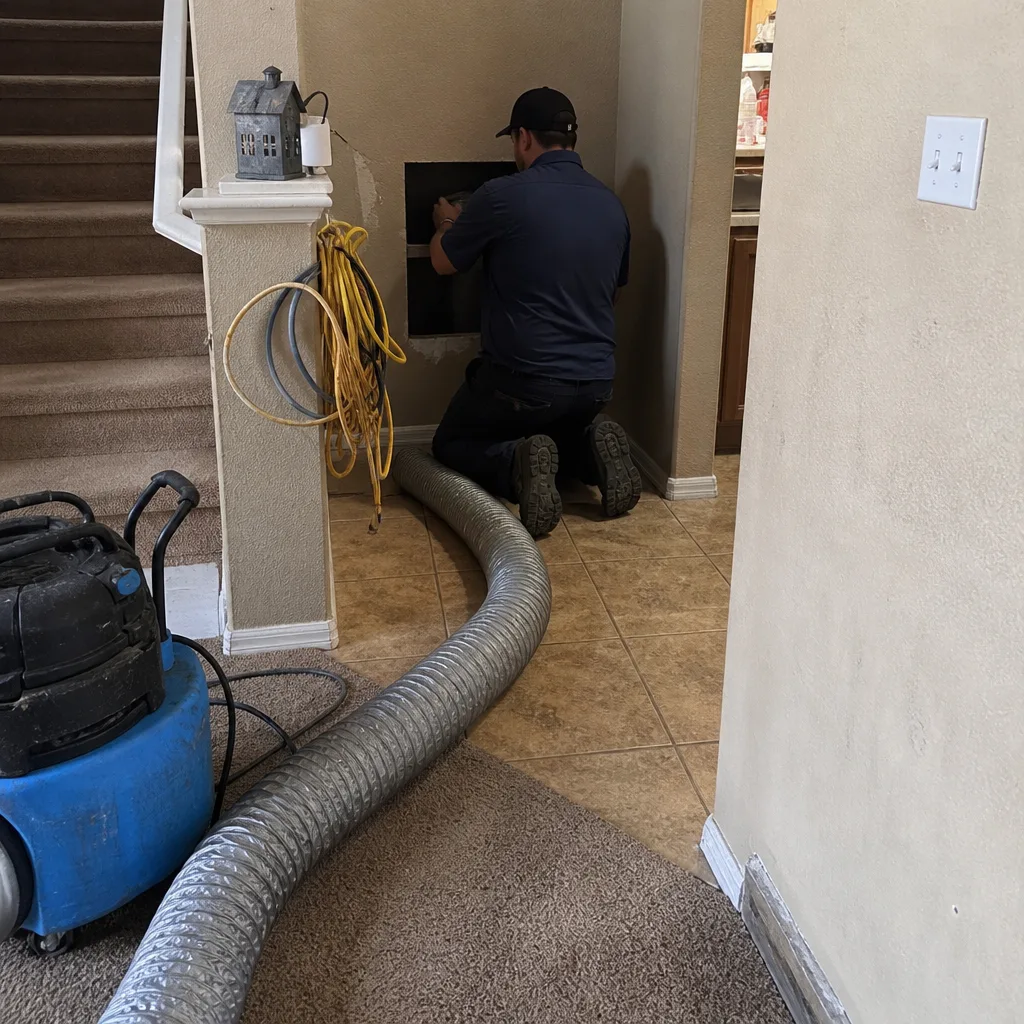 Before
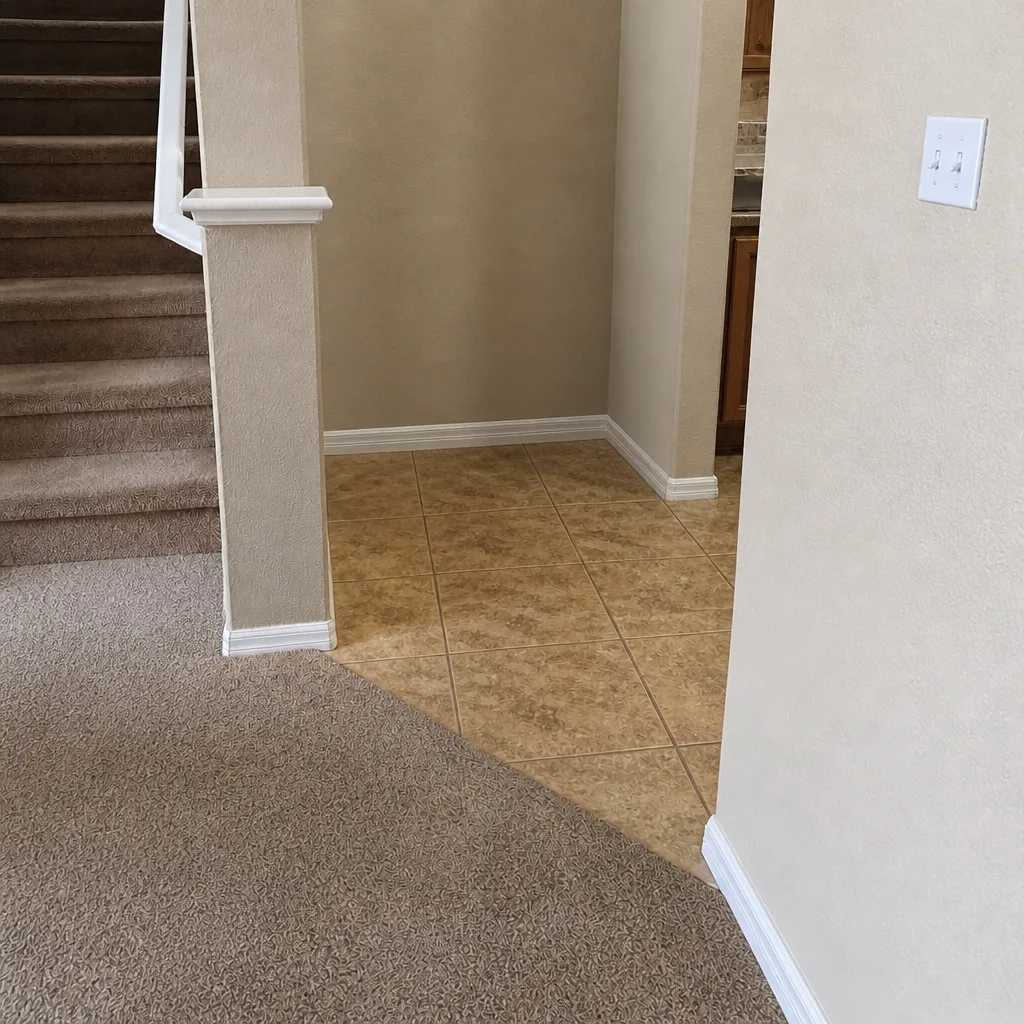 After
When to Call a Professional
Call a professional when you notice uneven cooling between rooms, a visible debris layer on the return grilles, or a spike in dust on surfaces right after the system runs. Call if you’ve just finished a renovation and drywall or construction dust is in the system, or if you’ve had a moisture event and need proper containment. Call if the dryer takes far longer to dry a load than it used to. And call if you’ve never had the ducts looked at and simply want to know what condition they’re in. Duct Cleaning Surprise offers free estimates in Surprise, so you can get a clear answer before deciding. Call (866) 942-6251. We answer 24/7. Fast dispatch from 7am to 7pm, Sunday through Friday.
Frequently Asked Questions
It depends on the size and condition of your system, but a proper whole-system clean is priced per system, not per vent. The written estimate sets the final price, and it’s agreed before any work starts. Call (866) 942-6251 for an exact quote; estimates are free.
There’s no single answer, because Surprise’s dust and heavy AC runtime make buildup happen faster than in mild climates. The right move is to judge by condition: debris on the returns, uneven airflow, dust returning quickly after a clean, or a recent renovation. Call (866) 942-6251 and we’ll help you decide rather than putting you on a fixed schedule.
Because they’re often a different service: a quick blow-and-vacuum instead of a true negative-pressure clean. That approach can scatter dust instead of capturing it, and it doesn’t touch the air handler or verify airflow. Call (866) 942-6251 for a straight comparison; estimates are free.
Ask for before-and-after photos of your own ducts, check airflow at the registers, and inspect the filter and return grilles afterward. We build those photos into every job so you’re never taking a technician’s word for it. Call (866) 942-6251 to set up a free estimate.
Cleaning removes accumulated debris from a sound system; repair fixes damaged or disconnected ductwork. If a branch run is crushed, torn, or disconnected, cleaning won’t restore your airflow, and the repair is the actual fix. Call (866) 942-6251 and we’ll tell you which one your system needs.
Yes. A restricted dryer vent is a real household fire risk and makes the dryer work harder and slower. We handle air ducts, dryer vent cleaning, and duct repair together so one company covers the full system. Call (866) 942-6251 for a free estimate.
The Bottom Line
Air duct cleaning in Surprise isn’t the same job it is in most markets. Heavy year-round AC runtime and fine desert dust mean debris builds faster, and the difference between a real clean and a blow-and-vacuum is the difference between captured dust and recirculated dust. Ask about the equipment, expect negative pressure and mechanical agitation, and verify the work with before-and-after photos and an airflow check. When cleaning isn’t the fix, repair and sealing are what restore your system. Duct Cleaning Surprise handles the whole picture, with a flat price per system and free estimates. Call (866) 942-6251. We answer 24/7. Fast dispatch from 7am to 7pm, Sunday through Friday.
Written by the team at Duct Cleaning Surprise.