
Last updated November 15, 2026
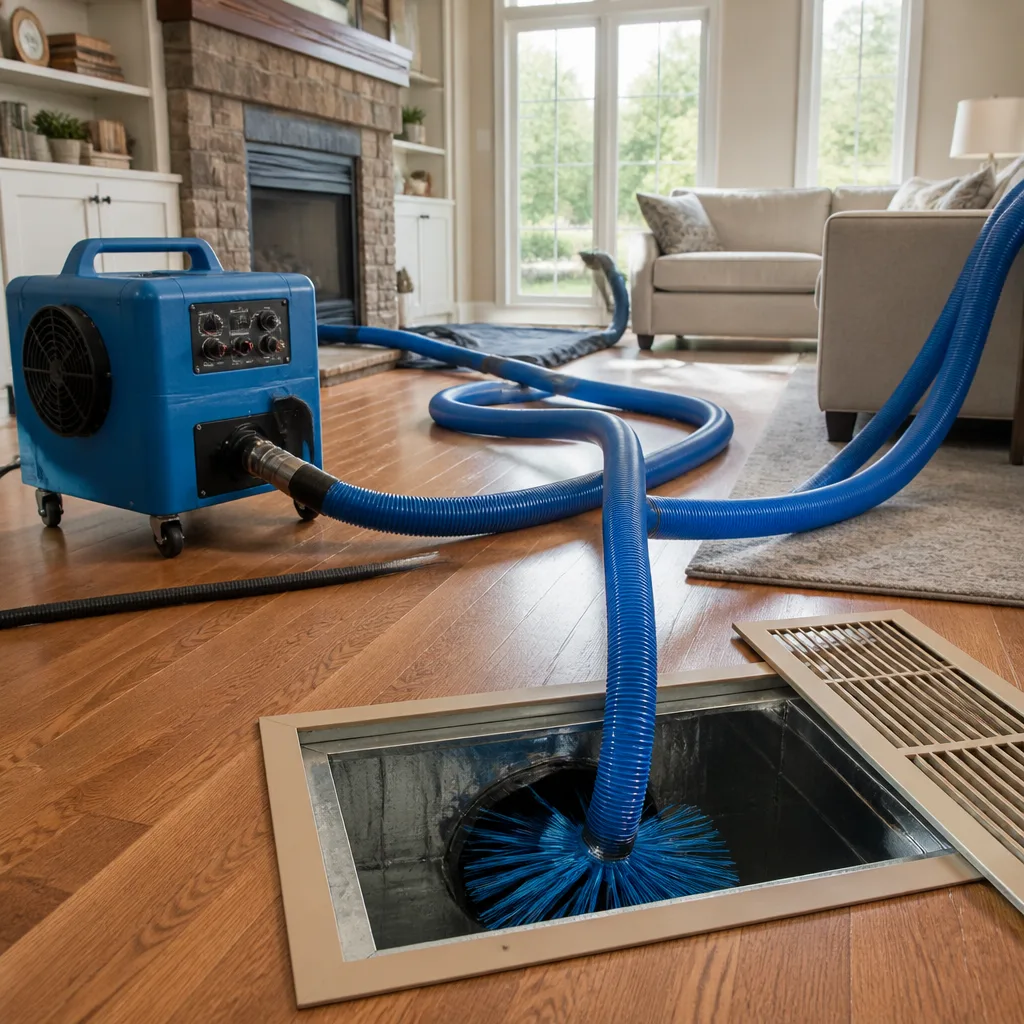 Whole-home duct cleaning
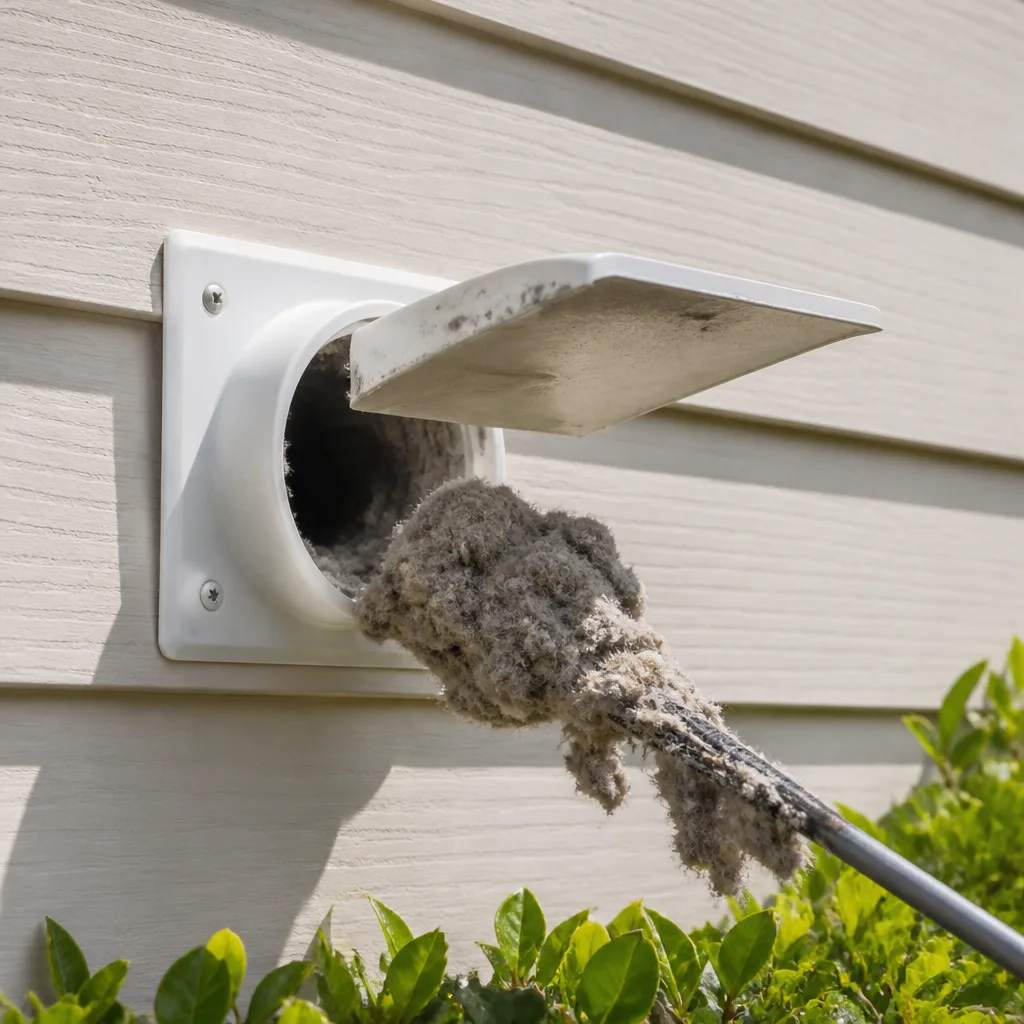 Dryer vent cleaning
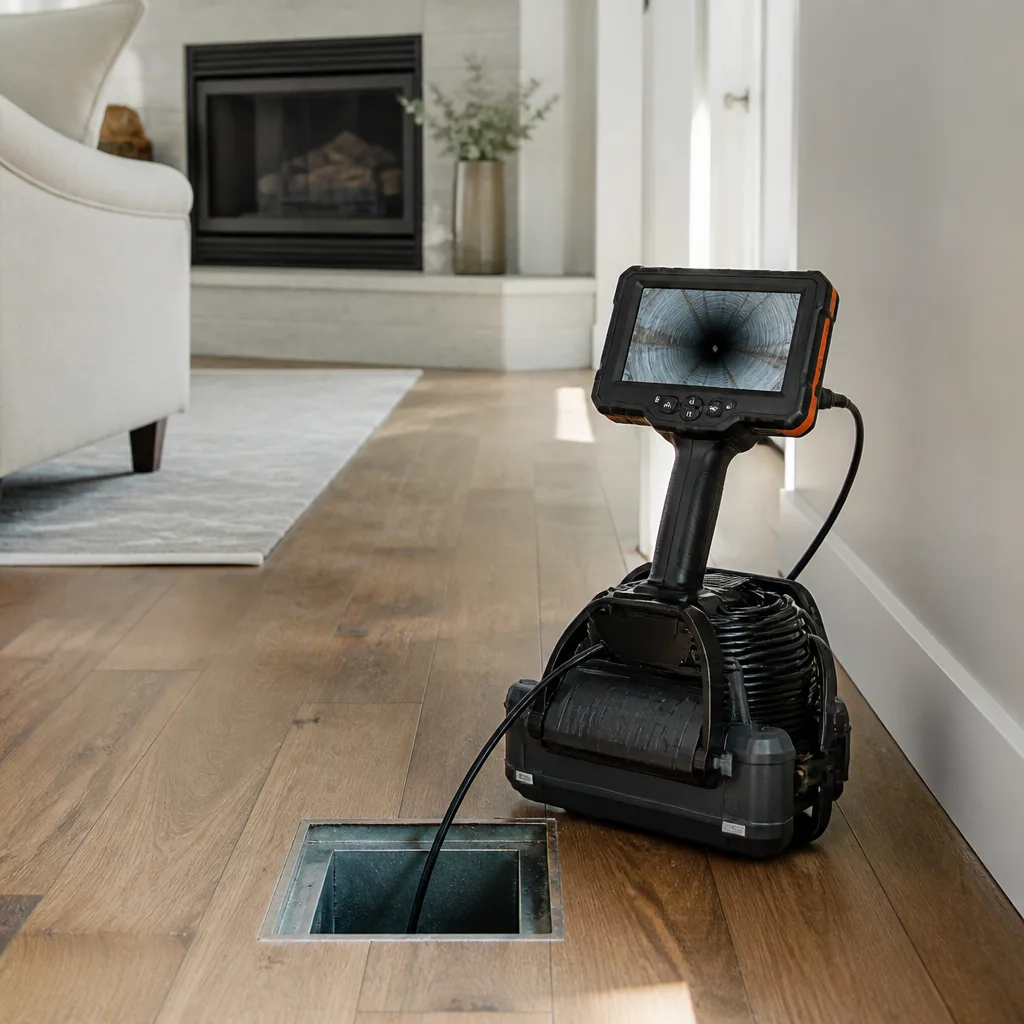 Camera inspection
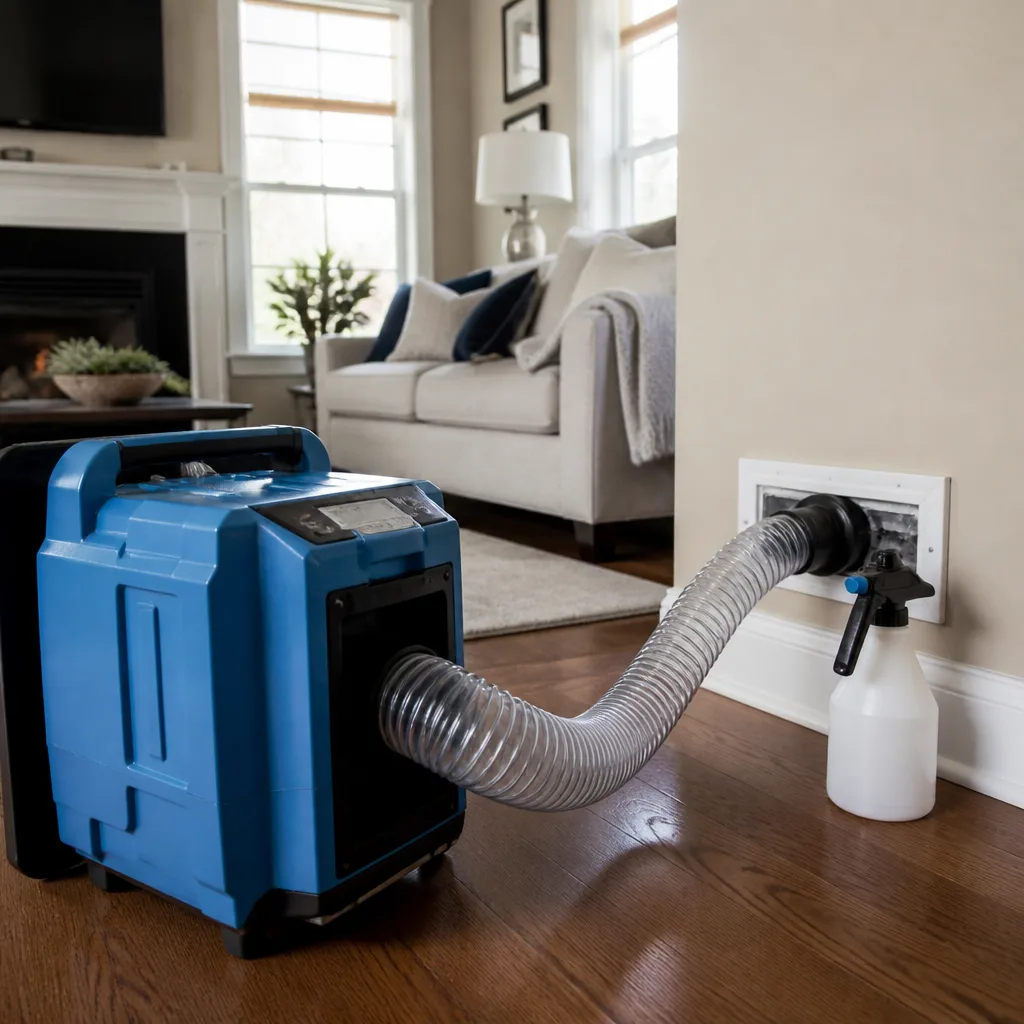 Sanitizing & deodorizing
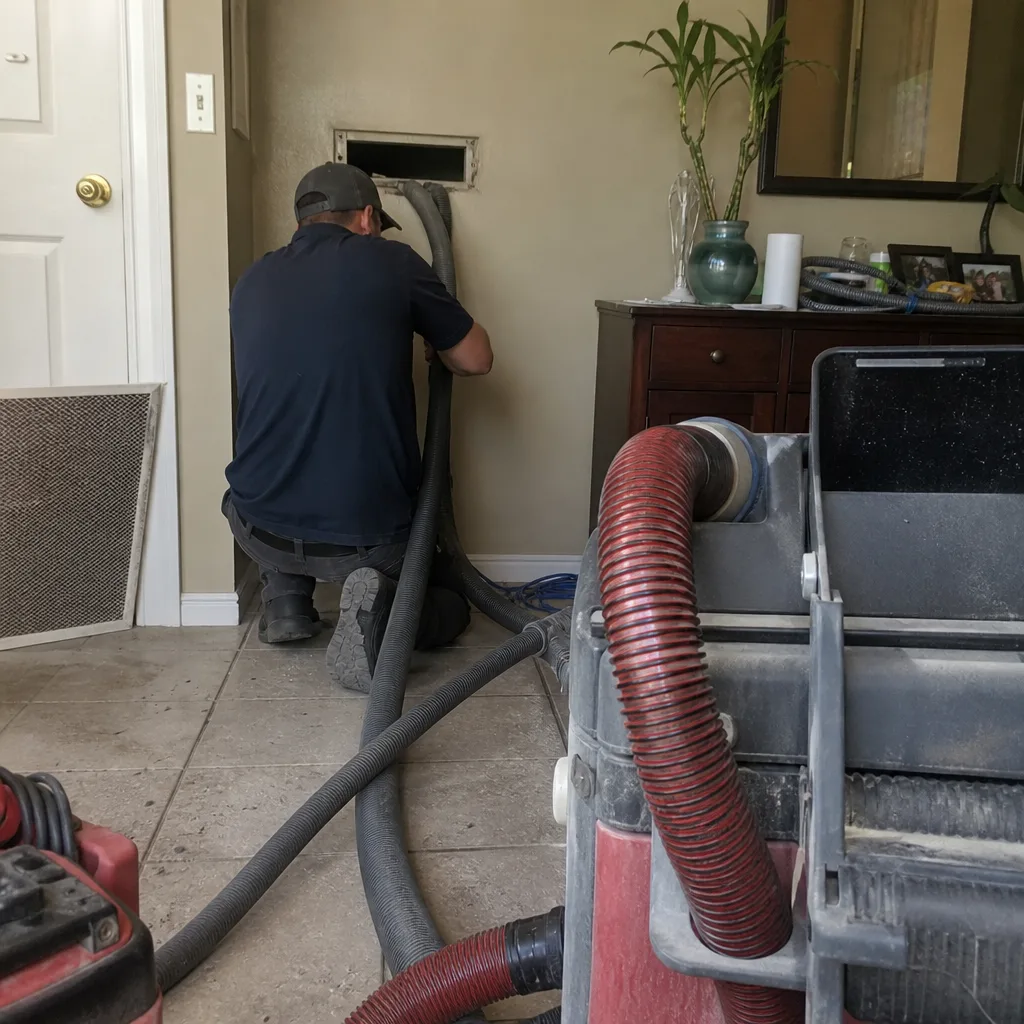
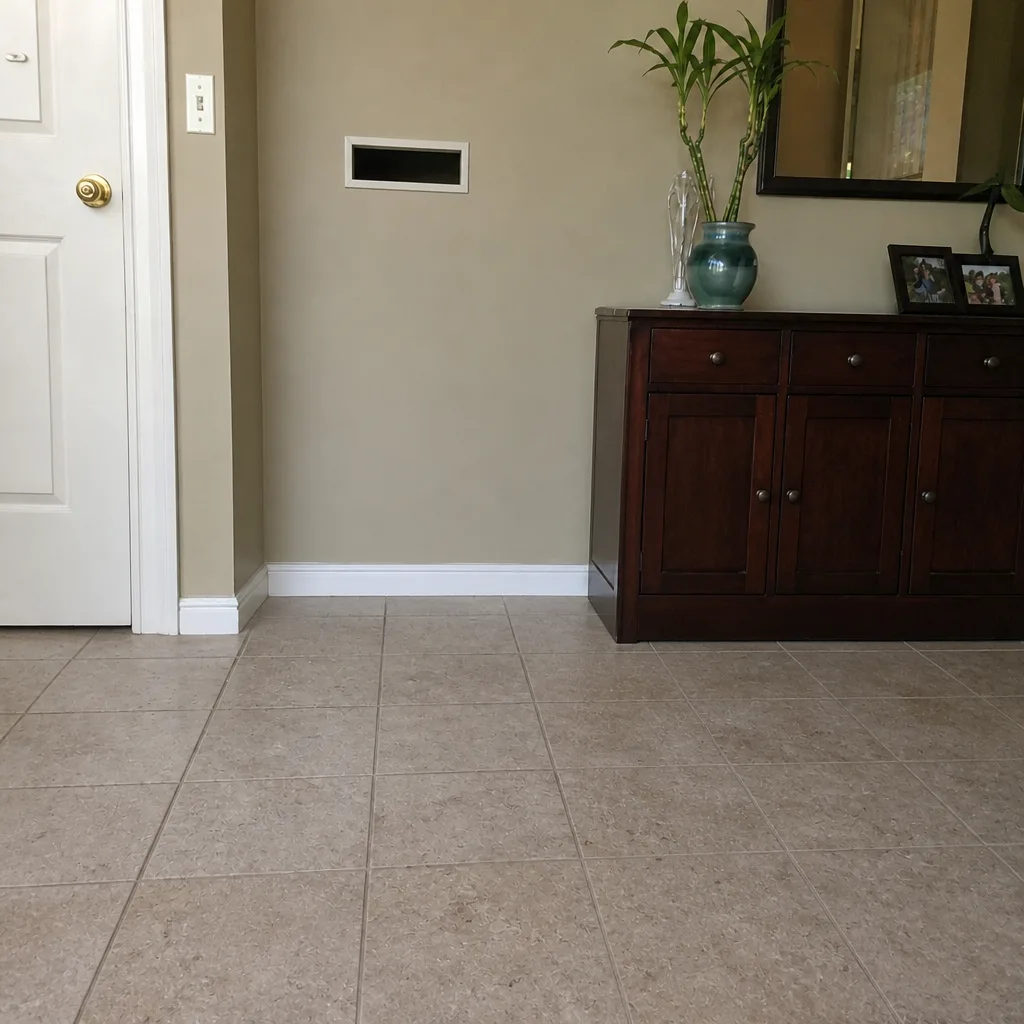
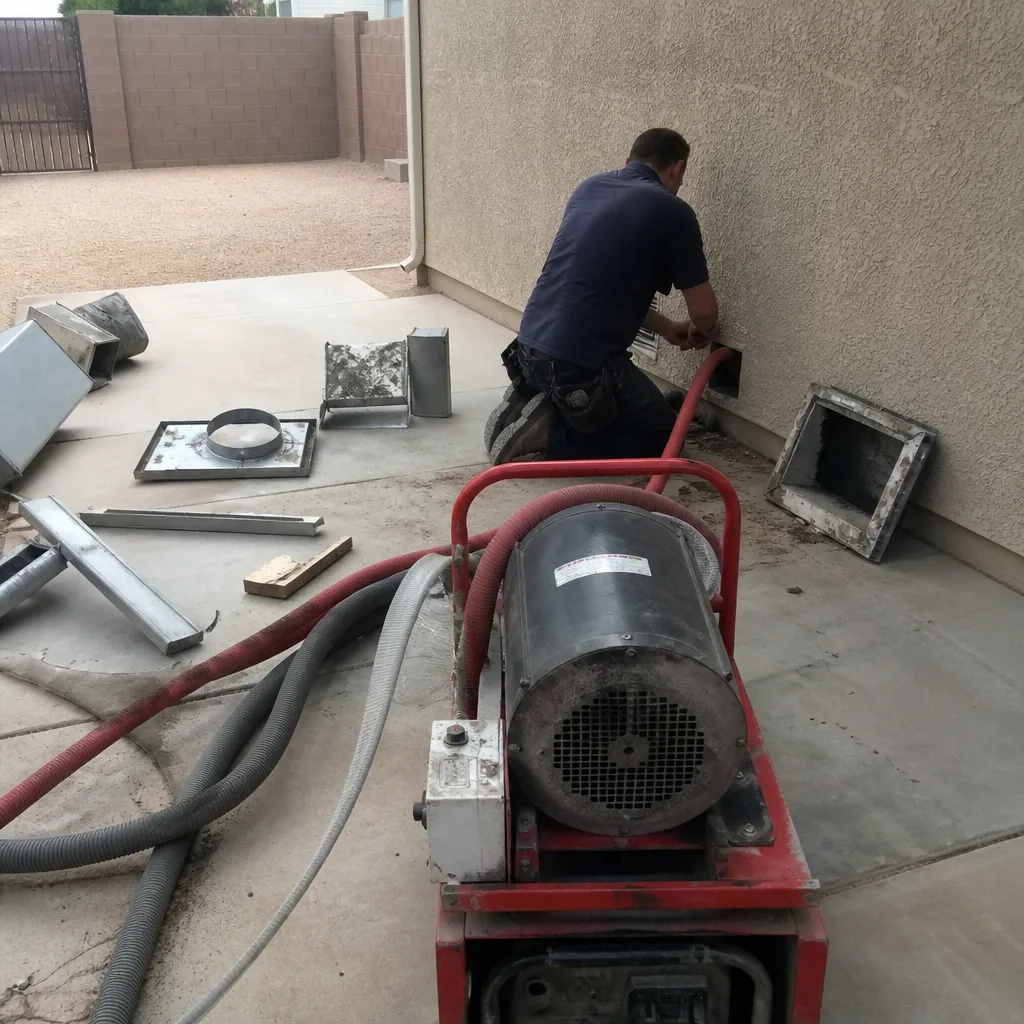
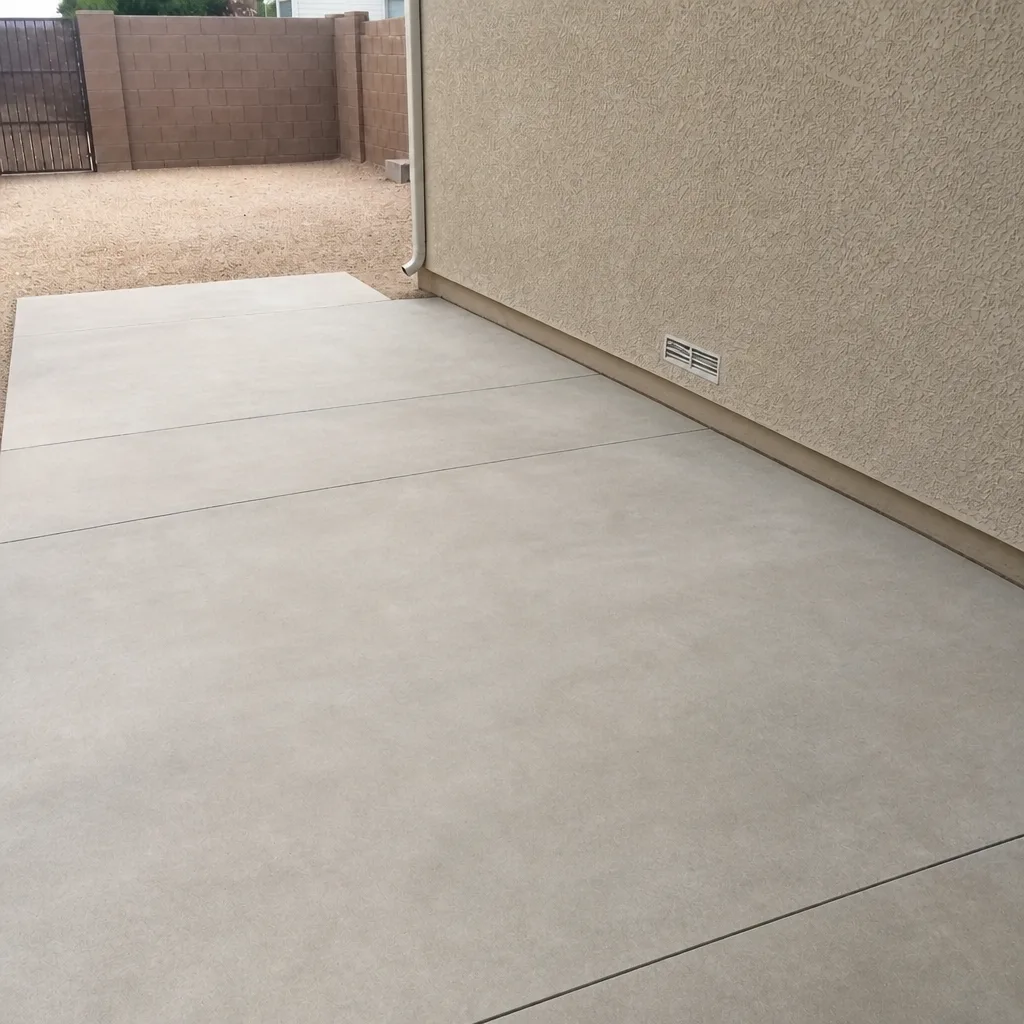
Whole-system duct and dryer vent check with before-and-after photos - you see exactly what came out of your vents
That "$99 whole-house special" is a bait ad - the real number appears once they are in your hallway, or the "clean" is a shop-vac at the register. We photograph the inside of your ducts before and after instead.
How to Hire an Air Duct Cleaning Contractor in Surprise: A Step-by-Step Guide
Most homeowners assume the person who shows up to clean their ducts had to prove something to somebody first. In Arizona, that assumption is wrong. The state doesn’t issue a specific duct cleaning license, so the company in your driveway could be a trained technician with a $30,000 truck-mounted system or someone who bought a wet-dry vac at a hardware store and printed business cards last month. Nothing legally stops either one from knocking on your door in Surprise. This guide hands you the questions, credentials and contract terms that separate the two, so you can vet a contractor in about fifteen minutes instead of hoping for the best.
Quick Answer
To hire an air duct cleaning contractor in Surprise, ask three things before you book: what equipment they run (a truck-mounted or HEPA vacuum rated for the job, not a shop vac), whether they’re a NADCA member you can verify online, and whether their written scope covers every register, the air handler and the coil area. Get the price and scope in writing before work starts, and confirm the technician will show you before-and-after photos of your own system. Any contractor who dodges these questions isn’t worth your deposit.
Styles & brands we work with
- Whole-home duct cleaning
- Dryer vent cleaning
- Camera inspection
- Sanitizing & deodorizing
Table of Contents
- Why Arizona’s Licensing Gap Puts the Vetting on You
- The Equipment Questions That Reveal a Real Contractor
- Why NADCA Membership Matters and How to Verify It
- Red Flags in the Quote Process
- How to Structure the Job Scope in Writing
- What to Check Immediately After the Job
- What Duct Cleaning Should Cost in Surprise
- How Often Does It Really Need Doing?
Why Arizona’s Licensing Gap Puts the Vetting on You
Start with the uncomfortable fact: Arizona does not require a dedicated duct cleaning license. General contractor and HVAC credentials exist in the state, but a person can advertise duct cleaning without holding either. That means the credential check you’d expect a regulator to perform has to happen at your kitchen table. In practice, the burden is on the homeowner, and most homeowners don’t know what to ask.
This matters more in a fast-growing market like Surprise than in an established city. New neighborhoods mean new homes with fresh construction dust, plus a steady stream of households moving in who need a first cleaning and don’t yet have a contractor they trust. The low barrier to entry attracts two very different types of operator: professionals who invest in equipment and training, and opportunists chasing quick jobs. Both will tell you they clean ducts. Only one can show you how.
So what should you actually verify? A few concrete things:
- Insurance and bonding. Ask for a certificate of insurance before anyone touches your system. A legitimate contractor carries liability coverage and can prove it.
- Equipment on the truck. Ask what vacuum system they’ll use and whether it’s truck-mounted or portable. The answer tells you a lot.
- Association membership. NADCA (the National Air Duct Cleaners Association) membership signals a baseline of training and standards. Ask, then check it yourself.
- Written scope. Any contractor serious about the work puts the scope in writing before starting. If they can’t describe what they’ll do, they can’t do it well.
None of this is unreasonable to ask, and a good contractor expects it. When we talk to homeowners across Surprise, the ones who got burned usually skipped these checks because the price looked right. The price always looks right until the technician is already inside.
The Equipment Questions That Reveal a Real Contractor
The single most revealing question you can ask a duct cleaning contractor is what vacuum collection unit they use, and how it’s rated. A shop vac moves a few dozen cubic feet per minute (CFM) of air. Professional truck-mounted and HEPA-rated units move substantially more and, just as importantly, exhaust outside or through rated filtration so the debris they dislodge doesn’t end up back in your living room. If the technician can’t tell you the CFM rating or the brand, you’ve learned what you need to know.
Equipment alone isn’t the whole story. How the technician uses it matters just as much. There are two broad approaches, and one is not like the other:
- Air sweeping uses compressed air to knock debris loose from the duct walls while a vacuum pulls it away. It’s fast, but on its own it doesn’t mechanically scrub the surfaces.
- Contact vacuuming and rotary brushing physically agitates the duct interiors with a rotating brush or contact tool, loosening the layer of dust that clings to the walls and hands it to the vacuum. This is the benchmark the industry uses for thorough mechanical cleaning.
Ask specifically whether they use a rotary brush system, and which one. Our team runs Rotobrush agitation systems paired with Nikro HEPA-rated vacuum equipment because contact cleaning is what actually removes what’s stuck to the duct, not just what’s floating in the airstream. We’ve seen plenty of systems that looked clean after a quick air sweep but still had a visible film on the interior walls.
One more equipment question worth asking: if your home is coming out of a renovation or has had water damage, does the contractor have containment equipment? Contaminated-air jobs call for negative-pressure containment so dust and spores don’t migrate through the house during the cleaning. We use Abatement Technologies equipment for exactly that reason. Not every duct cleaner owns it, and the ones who do will happily talk about it.
Why NADCA Membership Matters and How to Verify It
The National Air Duct Cleaners Association sets the standards most of the industry measures itself against, including the assessment, cleaning and restoration procedures a legitimate contractor follows. Membership isn’t a government license, but it does mean the company has agreed to a code of ethics and has access to training and certification that a random operator doesn’t. In a state with no licensing requirement, that’s a meaningful signal.
Here’s the part that matters: don’t take a technician’s word for it. Verification takes about two minutes.
- Ask for the company’s full business name, not just the name on the truck.
- Look the company up in NADCA’s member directory yourself, on your own phone, before signing anything.
- Confirm the person you’re speaking to matches the business listed. Franchise-like trade names and one-off LLCs are common.
- Ask whether the individual technicians hold NADCA certifications (Air Systems Cleaning Specialist, for instance), not just the company.
A contractor who claims NADCA membership and can’t be found in the directory is a problem. A contractor who’s honest that they aren’t a member but can explain their training and show you their equipment is at least being straight with you. The claim matters less than the truth behind it. In Surprise’s competitive market, plenty of companies talk up credentials they don’t hold, and a quick directory check is your best defense.
Red Flags in the Quote Process
Most bad duct cleaning experiences don’t start in your ductwork. They start in the quote. Watch for these signals before you commit:
- A price far below what everyone else is charging. If one quote is a fraction of the rest, ask what it excludes. It’s usually the air handler, the coil, or any real mechanical cleaning.
- No pre-inspection. A serious contractor wants to see your system before quoting, or at least asks about its layout and condition. Quoting blind means guessing.
- Upsell pressure the moment they arrive. A technician who finds “problems” within minutes and pushes an expensive add-on before doing the job you agreed to is running a script, not an inspection.
- Refusal to explain the process. Ask how they clean and what equipment they’ll use. Vague answers or irritation at the question are a warning.
- No written scope or estimate. Verbal-only pricing leaves you with no recourse and no record of what you agreed to.
- Per-vent pricing with a teaser base rate. A cheap base price plus add-ons per register is a structure designed to grow the invoice, not to deliver a flat, honest number.
We’ve watched enough homeowners in Surprise deal with the aftermath of a bait-and-switch to know these patterns repeat. The industry’s reputation problem is real, and the fix is insisting on a single flat price per system, agreed before work starts, with the scope in writing. Not per vent. Not per hour. Not a coupon that becomes a bigger invoice.
How to Structure the Job Scope in Writing
The written scope is your protection. It should spell out exactly what the contractor will clean, what equipment they’ll use, and what the finished job includes. Get it in writing, even by email, before any work begins. Vague scopes (“clean air ducts”) mean the technician decides on the day how much to do, and you have no grounds to complain if they skip the coil.
A thorough scope for a whole-system cleaning should name:
- Every supply and return register. Not a sample. A whole-system job covers all of them.
- The air handler unit and the main trunk lines feeding it.
- The coil area and blower compartment, where dust accumulates and affects airflow.
- Whether the cleaning is mechanical (rotary brushing, contact vacuuming) or air-only. This is where the price gets honest.
- Containment and vacuum method and where the vacuum exhausts.
- Before-and-after photos of your own system, delivered at completion.
The written estimate should carry the final price and state that it’s the price for the whole system, not a starting point. Anything the contractor finds mid-job that’s outside the agreed scope should come to you as a separate written number before they proceed. If they won’t put the scope in writing, walk away. A flat price per system and a clear scope are the two things that separate a professional from a salesperson with a vacuum.
What to Check Immediately After the Job
The job isn’t done when the technician packs up. It’s done when you’ve confirmed a full-system cleaning actually happened. Do a quick post-job check the same day:
- Walk the registers. Pull a few vent covers and look inside. The duct walls should be visibly cleaner, not just cleared of loose debris.
- Check the photos. Ask for the before-and-after images. They should show the interior of your ducts and the air handler, not just the vent grilles.
- Confirm the coil and air handler were touched. These areas are the most commonly skipped, so verify them first.
- Note the airflow. Registers should feel better balanced, but the biggest signal is often a drop in the dust settling on surfaces in the days after.
- Confirm the vacuum ran with containment. If the technician didn’t establish a seal and negative pressure, dust may have been redistributed rather than removed.
Before-and-after photos of your own system are the single best proof of work done. If a contractor can’t produce them, you have no evidence the job went beyond a surface sweep. We include them as part of the service because they’re the fairest check a homeowner has. It’s also a good moment to confirm the dryer vent was addressed if it was part of the scope, since dryer vent cleaning is one of the leading household fire risks and shouldn’t be an afterthought.
What Duct Cleaning Should Cost in Surprise
Duct cleaning here is priced per system, not per vent, and a whole-system cleaning of a typical Surprise home generally runs in the low-to-mid hundreds. Homes with multiple air handlers, longer runs, or heavier contamination land higher. The written estimate sets the final price, so any number you hear on the phone is a ballpark until the scope is confirmed.
What drives the range up or down:
- Number of systems. A single-system home sits at the low end; two or more zone systems stack the work.
- Contamination level. Recent renovation dust, mold events or long-neglected ducts take longer and call for containment.
- Duct condition. Damaged or disconnected ductwork needs repair, not just cleaning, which changes the job.
- Dryer vent included? Bundling the dryer vent into the same visit usually makes sense.
Why does the price gap between quotes feel so wide? Because the cheap quote is usually cleaning less, with lesser equipment, and counting on upsells to close the gap. A flat price for the whole system told to you upfront, in writing, is the number you should trust. If you want a straight, whole-system figure for your home, call (866) 942-6251 and we’ll give you a free estimate based on the actual system. We work across Surprise and the surrounding neighborhoods; see our air duct cleaning page for what a full-system visit includes.
How Often Does It Really Need Doing?
There’s no single right interval. The honest answer is that it depends on what your home has been through. A rule of thumb many contractors use is every three to five years for a typical home, but several situations reset that clock to something much sooner.
Schedule earlier if:
- You’ve just finished a remodel or major renovation. Construction dust is fine, aggressive and gets pulled into the return air quickly.
- You’ve moved into a home where the previous owner’s cleaning history is unknown.
- Someone in the house has allergies or respiratory sensitivity, or a newborn has joined the household.
- You’ve had water intrusion or a suspected mold event in the system.
- Dust is settling visibly faster than usual, or airflow from the registers feels weak.
In a desert climate like Surprise’s, dust load tends to build on a different rhythm than in wetter regions, and dusty construction phases in fast-growing neighborhoods mean a lot of the local housing stock benefits from an early cleaning. When in doubt, a pre-inspection tells you more than a calendar. If your ducts have never been cleaned and the house is a few years old, that first full-system pass is worth it.
Common Mistakes to Avoid
- Booking the cheapest quote without asking what’s excluded. The low number usually leaves out the air handler and coil, which are exactly where the work matters. Ask what the price covers before you compare.
- Assuming a license protects you. Arizona doesn’t require a duct cleaning license, so a license check tells you little. Verify insurance, equipment and NADCA status instead.
- Skipping the pre-inspection. A contractor who quotes without seeing your system is guessing. Insist on an inspection or a detailed scope before agreeing.
- Accepting a per-vent price. Per-register pricing invites add-ons. Ask for a flat price for the whole system.
- Not asking for before-and-after photos. Without images of your own ducts, you can’t confirm the cleaning happened beyond a surface pass.
- Letting the technician upsell before the base job is done. A legitimate contractor finishes what was agreed, then discusses anything extra separately in writing.
- Ignoring the dryer vent. It’s often bundled with duct cleaning and it’s a genuine fire risk if neglected. Ask whether it’s covered.
See the difference
 Before
 After
 Before
 After
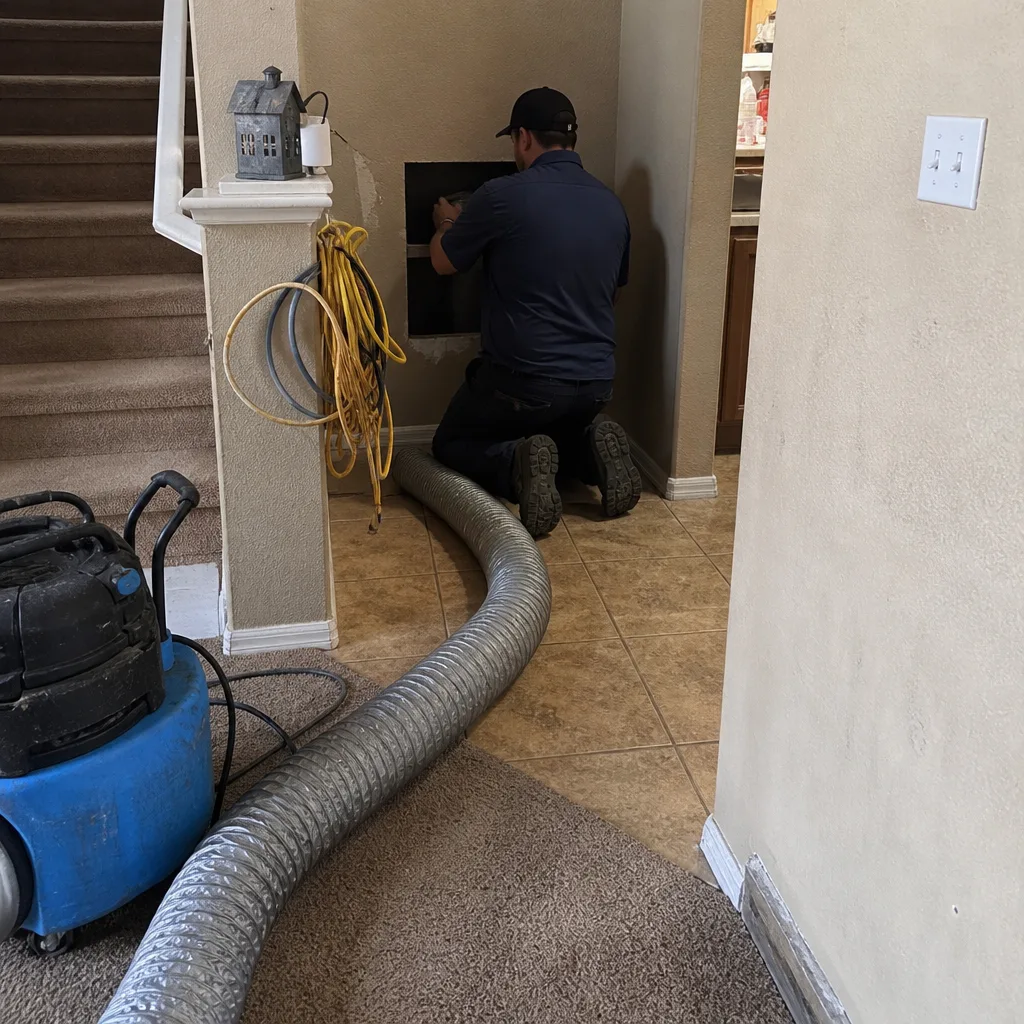 Before
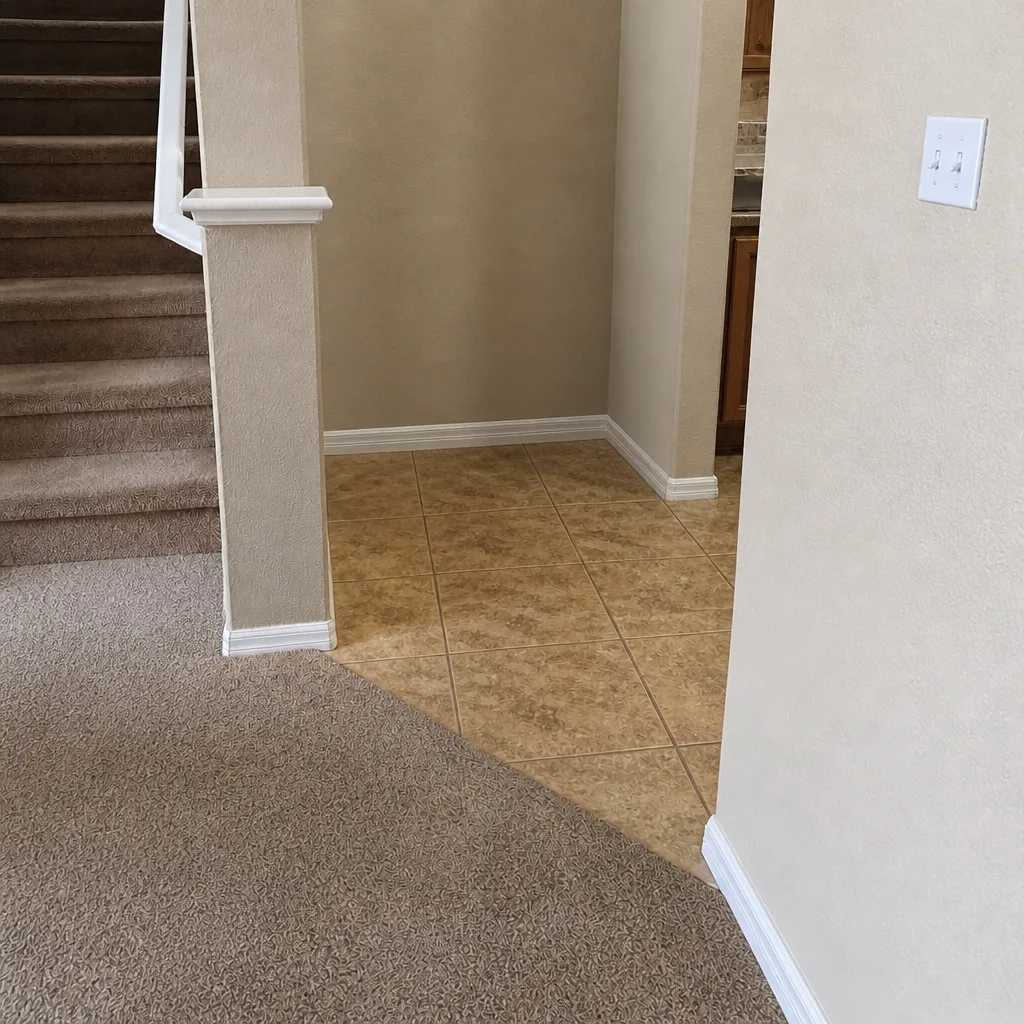 After
When to Call a Professional
Some jobs are fine to defer. Others aren’t. Call a professional if dust is settling on surfaces within days of cleaning, if you notice visible debris or musty odor when you open a register, or if airflow has dropped noticeably across the house. Call after any renovation that produced heavy dust, after a water event or suspected mold issue, and when someone in the home has allergies or respiratory sensitivity. Call if you suspect damaged or disconnected ductwork, since cleaning alone won’t fix a system that’s leaking air, and our Duct Cleaning Surprise service can clean it and repair it in the same visit. Duct Cleaning Surprise offers free estimates in Surprise. Call (866) 942-6251. We answer 24/7. Fast dispatch from 7am to 7pm, Sunday through Friday.
Frequently Asked Questions
No. Arizona doesn’t issue a dedicated duct cleaning license, so the vetting is up to you. Verify insurance and bonding, ask about equipment and NADCA membership, and get the scope in writing before booking.
A whole-system cleaning of a typical Surprise home generally runs in the low-to-mid hundreds, priced per system rather than per vent. Multi-system homes and heavier contamination cost more. The written estimate sets the final price. Call (866) 942-6251 for an exact quote; estimates are free.
Cheap quotes usually exclude the air handler, coil or mechanical brushing, and rely on upsells to make up the difference. A flat price for the whole system, in writing, is the number worth trusting. Call (866) 942-6251 to compare a full-system estimate.
Ask for before-and-after photos of your own ducts and air handler, and pull a few vent covers to look inside yourself. Visible interior cleaning and images of the actual system are the best proof. Call (866) 942-6251 to schedule a job with photo documentation.
Ask whether they use a professional vacuum rated in CFM and a rotary brush or contact-vacuum method. Shop vacs and air-only sweeps don’t clean duct walls. If the contractor can’t describe the equipment, keep looking.
Every three to five years for a typical home, sooner after a renovation, on moving into an unknown system, or if allergies or water damage are involved. Call (866) 942-6251 for a pre-inspection to find out where your system stands.
The Bottom Line
Hiring duct cleaning in a state with no licensing requirement puts the decision firmly in your hands, and that’s actually a good thing once you know what to ask. Demand the equipment question, verify NADCA membership yourself, insist on a written scope covering every register plus the air handler and coil, and get a flat price for the whole system before work starts. Then check the before-and-after photos. Do those four things and the cheap-quote trap closes. If you’d rather skip the guesswork, call Duct Cleaning Surprise at (866) 942-6251 for a free estimate. We answer 24/7. Fast dispatch from 7am to 7pm, Sunday through Friday.
Written by the team at Duct Cleaning Surprise.