
Last updated November 15, 2026
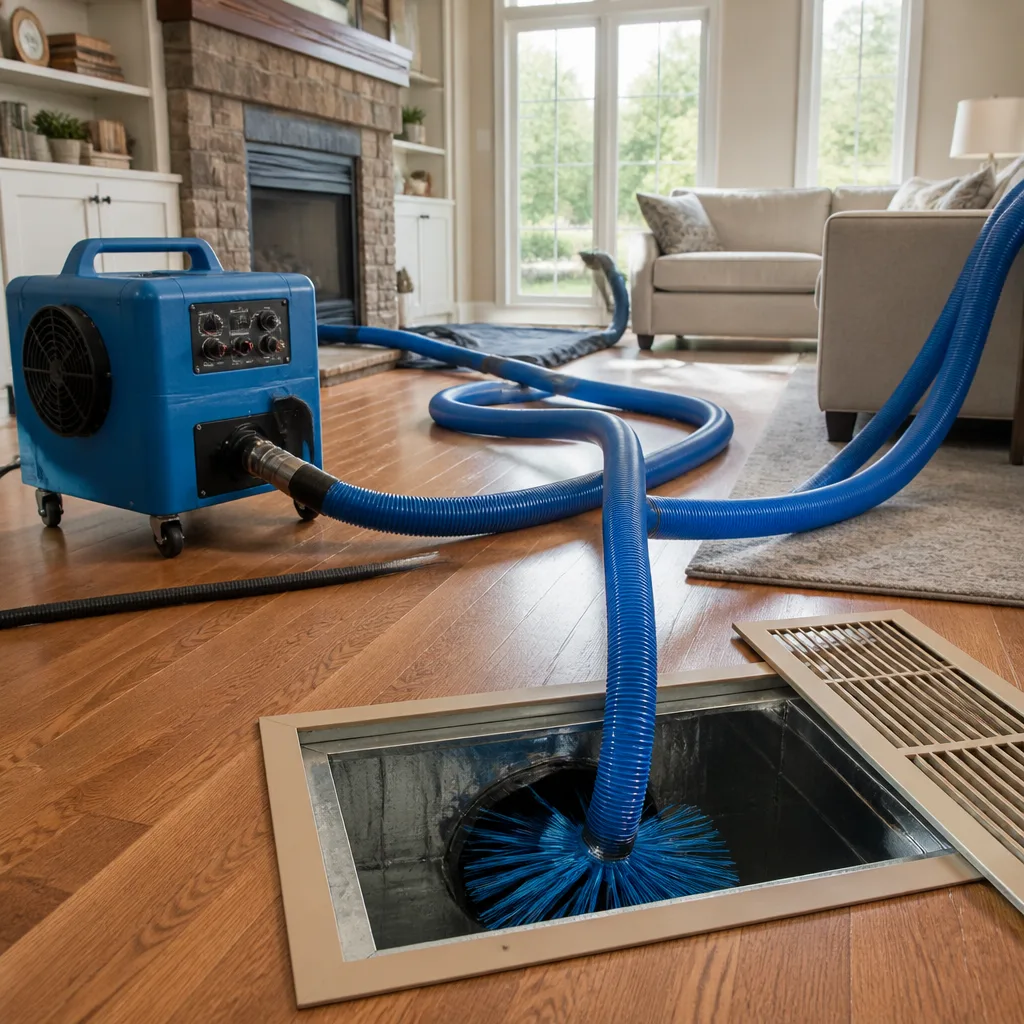 Whole-home duct cleaning
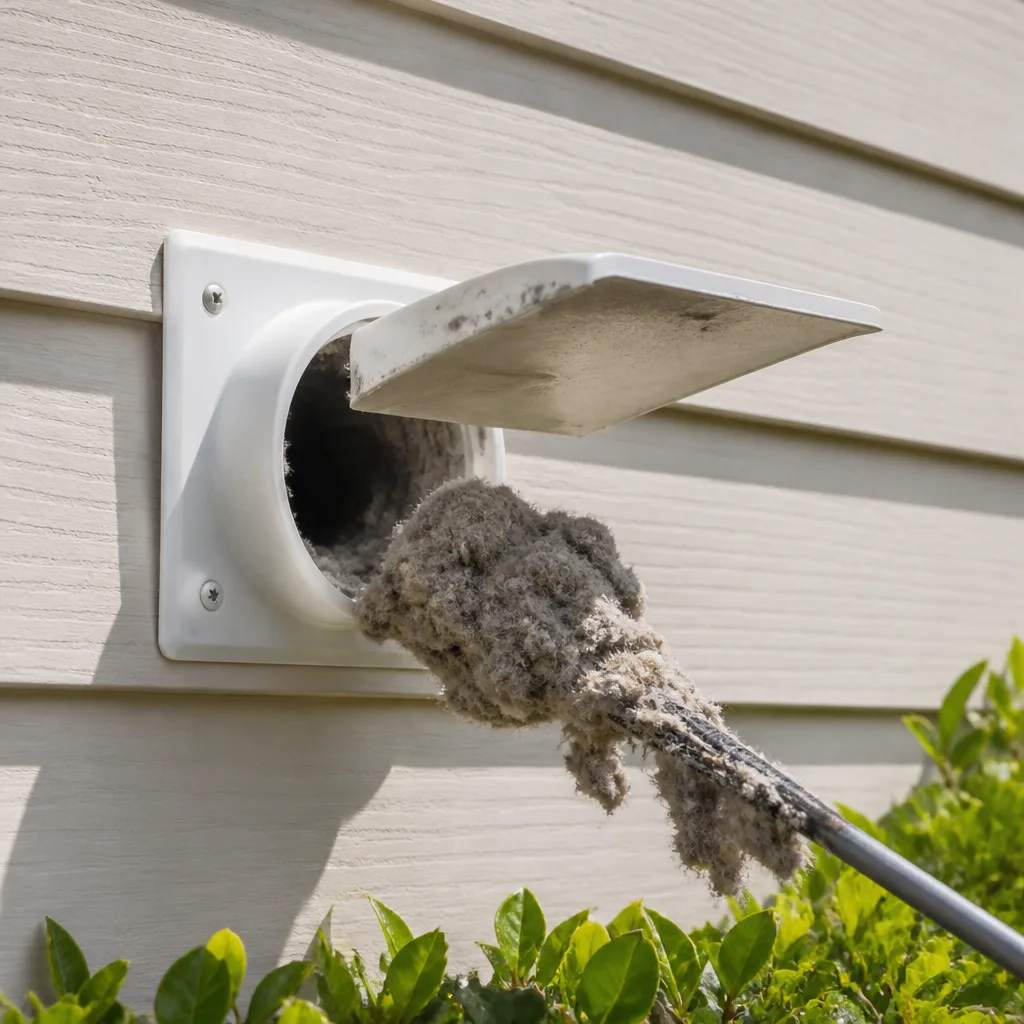 Dryer vent cleaning
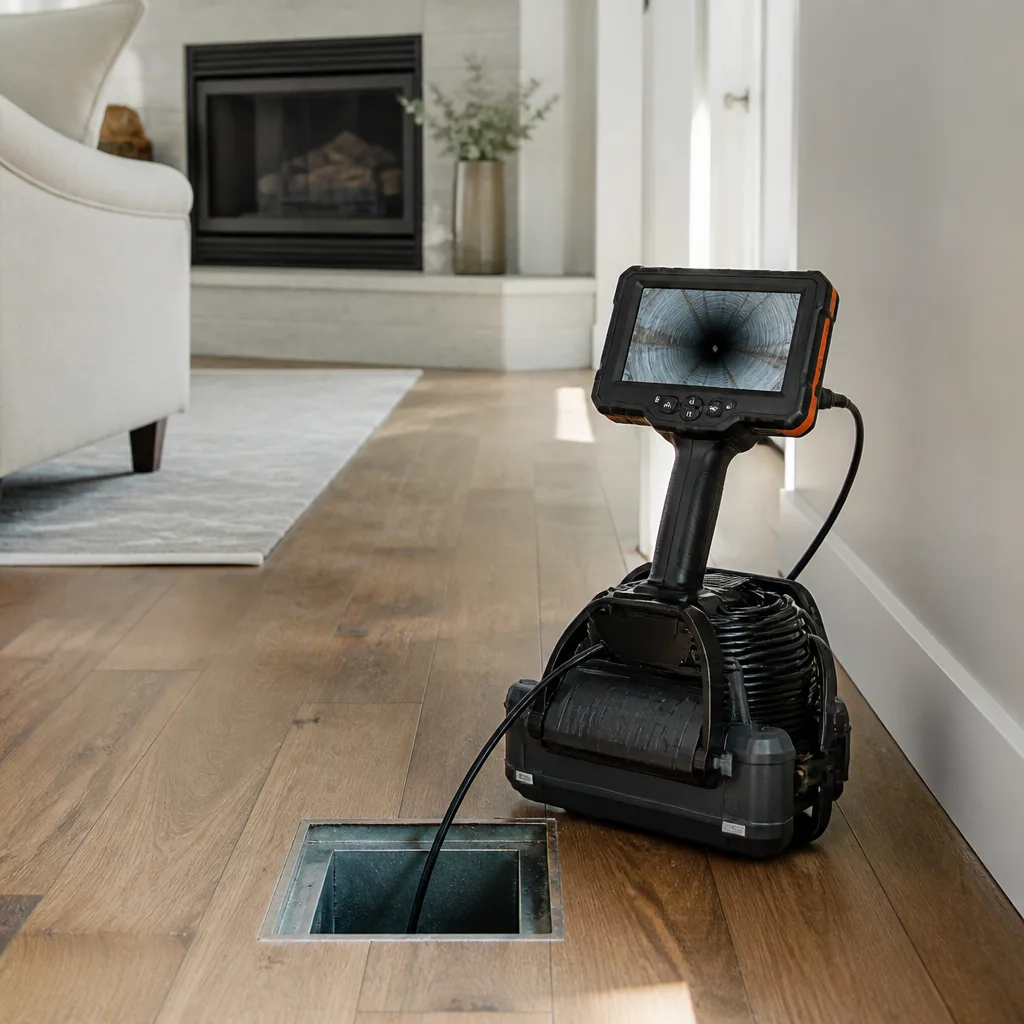 Camera inspection
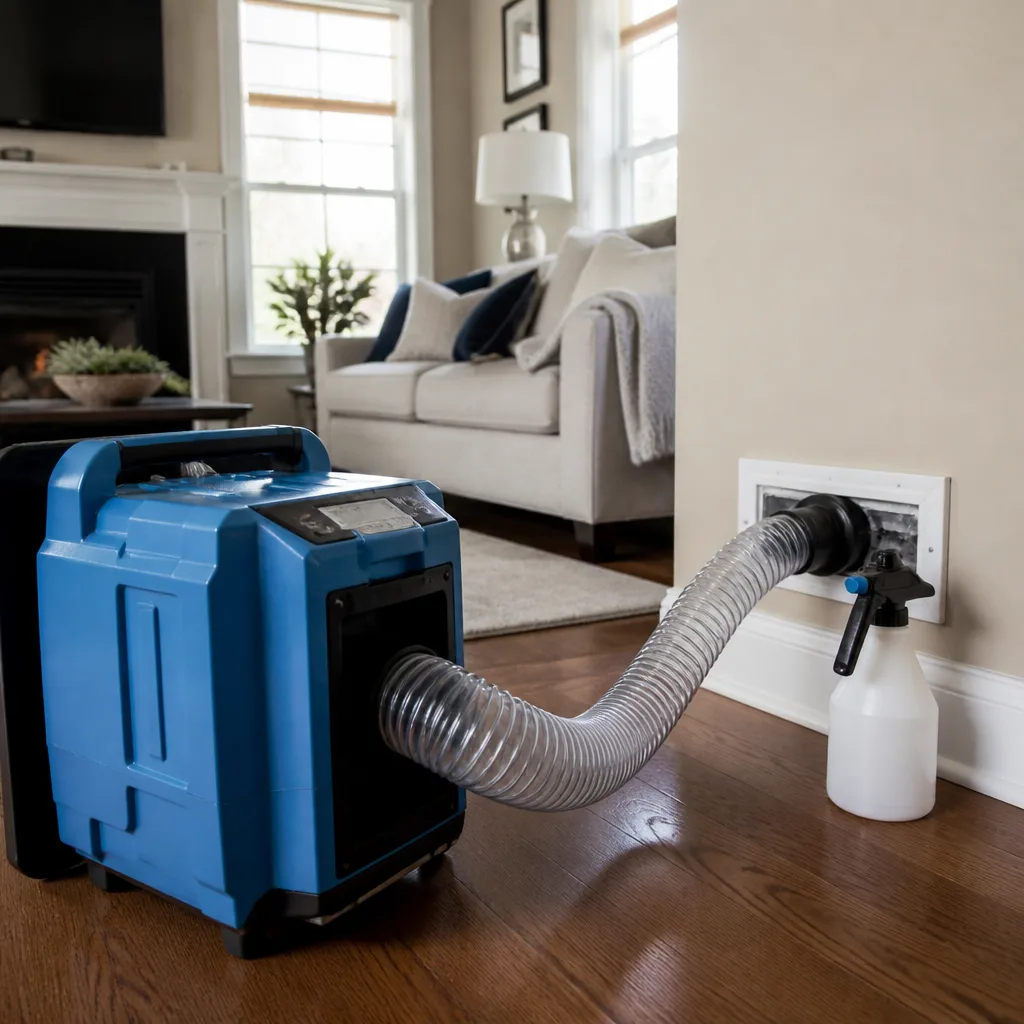 Sanitizing & deodorizing
Whole-system duct and dryer vent check with before-and-after photos - you see exactly what came out of your vents
That "$99 whole-house special" is a bait ad - the real number appears once they are in your hallway, or the "clean" is a shop-vac at the register. We photograph the inside of your ducts before and after instead.
DIY vs Professional Air Duct Cleaning: The Surprise Homeowner’s Decision Guide
Most people frame this as a skill question. Can I do what the pro does, or can’t I? That framing hides the real issue. Duct cleaning isn’t a scrubbing problem, it’s a collection problem. Blowing compressed air through a supply register without a simultaneous high-CFM collection source running at the main trunk doesn’t clean ducts. It lifts settled debris into the air stream your household is about to breathe. In a Surprise home where the HVAC system runs hard through a long hot season, that distinction matters more than it does in milder climates. This guide explains the physics behind professional duct cleaning, what you can honestly do yourself, when a DIY attempt makes things worse, and how to tell whether a “professional” quote is worth the money.
Key Takeaways
- Professional duct cleaning works on negative pressure: a HEPA-rated vacuum pulls debris out while a rotary brush loosens it, so particles leave the system instead of floating through the house.
- Homeowners can legitimately handle grille cleaning, filter changes, accessible flex duct inspection, and dryer vent lint trap clearing.
- Cleaning a compromised or fragmented flex duct system without proper containment can spread debris and damage the liner.
- Surprise’s long cooling season means ducts here see heavy airborne debris cycling, which changes the cost-benefit math.
- Ask any contractor which collection unit and which agitation tool they’ll use, and listen for specific models, not vague assurances.
Quick Answer
Professional air duct cleaning is the right call when your system has visible debris buildup, a recent renovation, allergy symptoms that track with HVAC runtime, or flex duct that may be damaged. DIY cleaning makes sense only for surface-level maintenance: grilles, filters, and dryer vent lint. The reason isn’t that professionals scrub harder. It’s that professional equipment moves debris into a sealed collection system while amateur tools move it into your living space.
Styles & brands we work with
- Whole-home duct cleaning
- Dryer vent cleaning
- Camera inspection
- Sanitizing & deodorizing
Table of Contents
- The Physics Behind Negative-Pressure Duct Cleaning
- What Homeowners Can Legitimately Do Themselves
- When DIY Makes the Problem Worse
- How to Evaluate a Professional Duct Cleaning Quote
- DIY vs Professional: Cost-Benefit Framing for Surprise Homes
- Why Surprise’s HVAC Runtime Changes the Equation
- A Step-by-Step Walkthrough of a Professional Cleaning
- Common Mistakes to Avoid
The Physics Behind Negative-Pressure Duct Cleaning
A duct cleaning rig isn’t a super-powered shop vac. It’s a pressure system. The collection unit pulls a strong vacuum at a single access point, usually the main trunk or a large return, while agitation tools break debris loose throughout the system. Because the whole duct network is under negative pressure during the work, loosened particles get pulled toward the collection point instead of drifting backward into the supply registers.
The key word is CFM. Cubic feet per minute is the measure of how much air the collection unit moves. A consumer-grade shop vac moves a small fraction of what a truck-mounted or contractor-grade HEPA vacuum does. Without that higher airflow, loosened debris has nowhere reliable to go. It stays suspended in the duct or gets pushed out the nearest register.
This is why professional setups pair two pieces of equipment. One agitates, one collects. Our technicians run Rotobrush rotary brush systems for mechanical agitation, and Nikro HEPA-rated vacuums for capture at the source. The brush loosens what’s stuck to duct walls and liner. The vacuum pulls it into a sealed container before it can recirculate. Neither tool works as intended without the other.
Homeowners often ask why a leaf blower or compressor can’t do the same job. The answer is that blowing air into a duct with no simultaneous collection source doesn’t remove anything. It just moves it. That’s the entire distinction, and it’s the one most DIY duct cleaning advice skips over.
What Homeowners Can Legitimately Do Themselves
Plenty of duct-system maintenance is well within reach. What you can do yourself is the work that doesn’t require moving air through the entire duct network under controlled pressure.
- Change air filters on schedule. A clogged filter strains the blower and reduces how much air reaches every register. Check it monthly during the cooling season and replace it before it looks heavily gray. In a Surprise home, that may be more often than the manufacturer recommends.
- Clean supply and return grilles. Grilles collect dust and pet hair on the visible surface. A vacuum with a brush attachment handles most of it. Wipe them down with a damp cloth when you swap filters.
- Clear dryer vent lint traps. Remove lint after every load. This is the single most useful thing a homeowner can do for dryer vent safety. It doesn’t replace a full vent cleaning, but it delays buildup meaningfully.
- Inspect accessible flex duct visually. If you can see flex duct in the attic or crawlspace, look for tears, crushed sections, or disconnected joints. You’re spotting the problem, not fixing it. A damaged run should be repaired by someone with the right tools, not taped over as a permanent solution.
- Keep return pathways clear. Furniture, rugs, and storage boxes set against return grilles choke airflow. A bit of clearance helps the whole system work more efficiently.
These are the maintenance tasks worth doing, and none of them require equipment you don’t already own. Once you move past grilles and filters and into the duct runs themselves, the calculus changes.
When DIY Makes the Problem Worse
There are specific situations where a homeowner-level cleaning attempt doesn’t just fall short. It causes real problems. The most common is an older flex duct system. Flex duct has an inner liner that can become brittle and start fragmenting, especially in a hot attic. When you push air through a duct with a compromised liner, you can lift fragments of that liner into the airflow and send them downstream toward registers. You’ve now introduced a new contaminant into a system that was only dusty before.
Renovation dust is another scenario where DIY backfires. After drywall work or a remodel, fine particulate settles through the entire duct network. Vacuuming a couple of grilles doesn’t touch the volume of debris that’s spread through the trunk and branches. Worse, running the HVAC during an active renovation can push construction dust deeper into the system, and a surface vacuum can’t retrieve it.
The third case is a system with visible mold growth or contamination connected to a water event. Household tools cannot manage that safely. Handling contaminated-air scenarios requires proper negative-pressure containment, so the room behind the work area stays under controlled pressure while debris is captured. Our team uses Abatement Technologies containment equipment for exactly this reason. Without it, disturbing contaminated ductwork can release spores into the living space instead of sealing them off.
If any of these describe your situation, what you need isn’t more aggressive DIY equipment. It’s the right process.
How to Evaluate a Professional Duct Cleaning Quote
Duct cleaning has a reputation problem, and the reputation is earned. Cheap, in-and-out offers exist because a lot of “cleaning” is a vacuum waved around a couple of vents. The way to protect yourself is to ask three specific questions before you book.
- What collection equipment will be used? Ask for a brand and model. Rotobrush, Nikro, or an equivalently rated HEPA system are contractor-grade tools designed for this work. A shop vac in a van isn’t. If the answer is vague, keep asking, or keep looking.
- How will the system be put under negative pressure? The technician should be able to explain where the collection unit goes and how the pressure is maintained during the cleaning. If they can’t describe the process, they may not be doing it.
- Will I see before-and-after photos? A legitimate service photographs the ducts before work begins and after it’s finished. Ask to see those photos of your own ductwork, not from a portfolio.
A fourth question is worth asking if you’re dealing with a contamination concern. Does the contractor use containment equipment, and can they describe the negative-pressure protocol? Anyone working with Abatement Technologies or an equivalent line takes that step. Ask specifically.
What you should not hear from a contractor is a per-vent price. Real duct cleaning is priced per system, not per register, because the work is about the whole network. If you’re offered a low teaser price that later grows into a much larger invoice once the technician is on site, that’s the pattern to walk away from. A flat price per system, agreed before the work starts, is where trust begins. That’s how we quote, and that’s what you should insist on.
DIY vs Professional: Cost-Benefit Framing for Surprise Homes
This isn’t a straightforward “professional is worth it” argument. Sometimes it isn’t, or at least not yet. The decision comes down to what the DIY attempt will actually accomplish versus what it will leave behind.
DIY makes sense when your ducts are only lightly dusty and the work is limited to grilles, filters, and dryer vent lint traps. That maintenance is free and useful on a monthly basis. There’s no reason to pay a stranger to change a filter.
Professional cleaning makes sense in roughly four scenarios:
- You’ve just finished a renovation or bought a home after one.
- You’re seeing visible dust plumes coming out of supply registers when the HVAC starts.
- Household members with allergies or asthma notice symptoms that worsen when the system runs.
- You can’t remember the last time the ducts were cleaned, or they haven’t been cleaned since you moved in.
For Surprise homes, there’s an additional factor most cost-benefit discussions miss. HVAC systems here run for a large chunk of the year because of the desert heat, and every hour the system runs, it cycles air through the ducts. That doesn’t mean ducts get dirtier faster in a linear way. What it means is that any debris sitting in the ducts gets airborne more often. A marginal duct that would be tolerable in a mild climate matters more here because your system runs more hours and pushes more air through it.
The realistic math is that a professional whole-system cleaning in the area typically runs somewhere in the range most homeowners should plan for, and it’s a per-job price. The written estimate sets the final number. Compared against the cost of a DIY attempt that underperforms or, worse, damages a flex liner and requires repair, the professional option is often the cheaper path. Contractor-grade equipment at residential pricing, priced per system, is the honest comparison point.
Why Surprise’s HVAC Runtime Changes the Equation
Duct cleaning advice written for the Northeast doesn’t translate to the Southwest. Homes in Surprise and across the West Valley run their cooling systems far more hours per year than homes in milder climates do. Every hour of runtime is another hour of air being pushed through the same ducts.
What that means practically is that dust, pet hair, and particulate that settles into ductwork here doesn’t just sit quietly. It gets stirred up repeatedly. Debris on the interior of a duct has more opportunities to lift into the air stream over the course of a full cooling season. Homeowners who’ve recently moved to the area from a milder climate often find this surprising.
It also changes the maintenance schedule. If you’re used to cleaning ducts every five years back home, you may find the same interval leaves you with visibly dusty registers sooner here. The variable is runtime, not duct construction. Our team, with technicians bringing up to 11 years of experience, has seen the pattern repeatedly across Surprise neighborhoods where homes were built within the last two decades.
What this doesn’t mean is that every Surprise homeowner needs annual duct cleaning. It means you should pay attention to the signals. If a register emits a dust puff when the system kicks on, if there’s visible buildup on the grille faces inside a few weeks of cleaning them, or if filters are getting dark much faster than expected, those are signs it’s time.
A Step-by-Step Walkthrough of a Professional Cleaning
What actually happens during a full-system cleaning, in order:
- Setup and pre-inspection. The technician places floor protection, identifies the main trunk and collection access points, and photographs the ductwork before opening anything up.
- Containment. If contamination is a factor, negative-pressure containment goes up first so nothing escapes the work area.
- Collection connection. The Nikro HEPA collection unit connects to the main trunk to establish the pressure differential across the whole system.
- Mechanical agitation. The Rotobrush rotary brush travels through trunk and branch runs, loosening debris from the duct walls and liner.
- Register and grille cleaning. Supply and return registers are cleaned, and every accessible run gets a visual inspection.
- Dryer vent service. If it’s included, the dryer vent gets the same treatment. This addresses a leading household fire-risk source and is often the most valuable part of the visit.
- Post-inspection and photos. Before-and-after photos are taken so you can see exactly what was removed and where.
What we clean, and if it’s broken, we fix it. If the inspection turns up a disconnected or crushed duct run, duct repair becomes part of the conversation. Surface cleaning a compromised system doesn’t solve the underlying problem. For homes that need both, that’s the honest scope. Dryer vent cleaning and repair are services under the same roof, so you don’t need to schedule three contractors for a single household problem.
If you want to know more about the service itself, Duct Cleaning Surprise explains the full scope of what we do. For a focused look at air duct cleaning, that page walks through the equipment and process in more detail. And if you’ve been meaning to handle the dryer vent cleaning you keep putting off, worth doing in the same visit.
Common Mistakes to Avoid
- Blowing air into registers without a collection source running. This doesn’t clean ducts, it moves debris into your living space. The result is worse indoor air for a day or two and no measurable improvement in the duct.
- Assuming a cheap quote is a good deal. Low teaser prices that balloon on site are the standard bait-and-switch pattern in this trade. A flat price per system, agreed up front, is the answer.
- Accepting a per-vent price. Real duct cleaning is priced per system because the work addresses the whole network. Per-register pricing is a red flag.
- DIY-cleaning a flex duct system with brittle or damaged liner. Pushing air through a compromised liner can fragment it further and send liner debris downstream. Inspect first, don’t clean blind.
- Running the HVAC during or right after a renovation. This drives construction dust deeper into the system. Change the filter, then schedule a full cleaning once the dust has settled.
- Skipping the dryer vent because the duct “looks fine.” Lint buildup happens inside the vent line, not at the trap. This is a leading household fire-risk source and worth cleaning on its own.
- Hiring without asking about equipment. If the contractor can’t name the collection unit and agitation tool, they’re probably not set up for real cleaning. Rotobrush and Nikro are what to listen for.
When to Call a Professional
Call a professional if you’ve recently finished a renovation or bought a home that was renovated before the sale, because construction dust settles through the entire duct network and can’t be reached with household equipment. Call if someone in the household has allergies or asthma and symptoms get worse when the HVAC runs, since that pattern points to something in the air stream. Call if you can see damaged or disconnected ductwork, because cleaning a compromised system without repair just redistributes the problem. Call if you’re not sure when the ducts were last cleaned. And call if the dryer vent hasn’t been serviced in years, because that’s a fire-risk conversation, not just a cleaning one.
Duct Cleaning Surprise offers free estimates in Surprise. Call (866) 942-6251 to schedule one. We answer 24/7, with fast dispatch from 7am to 7pm, Sunday through Friday.
See the difference
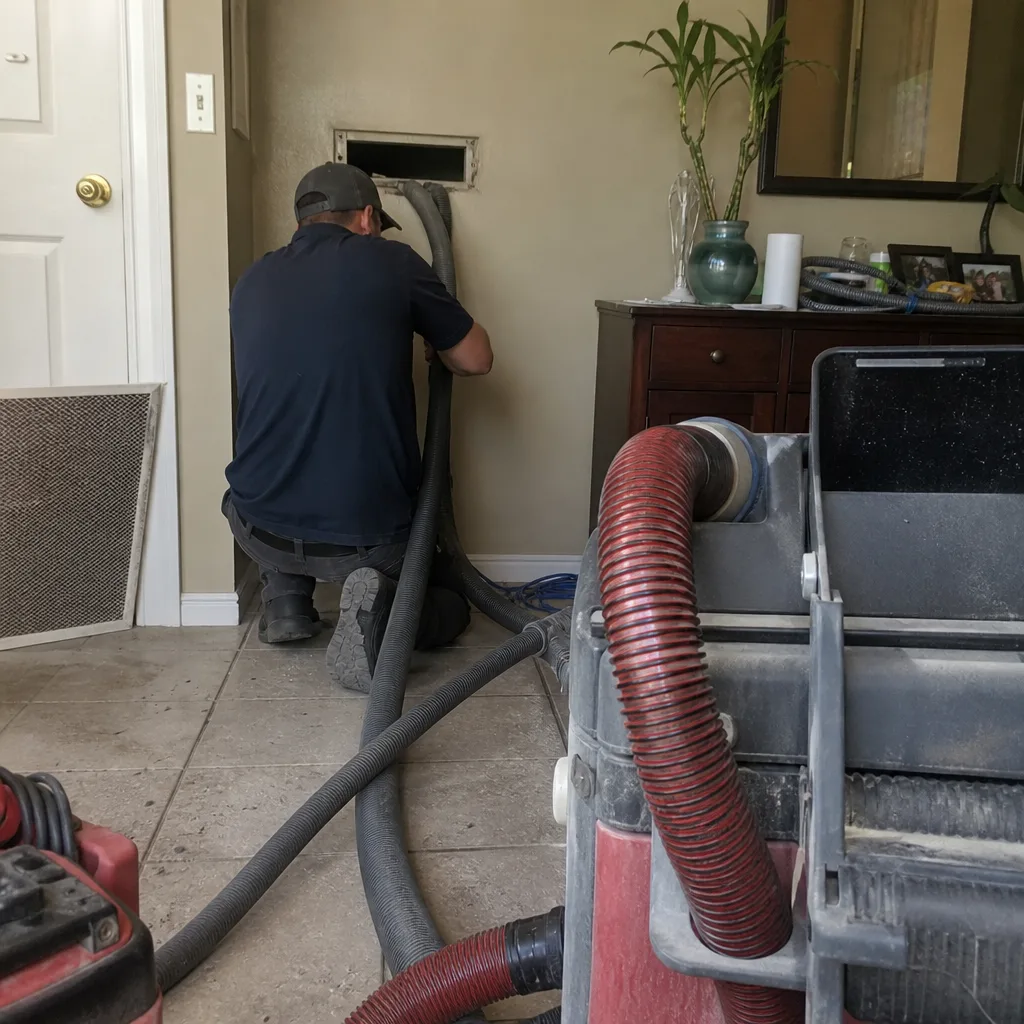 Before
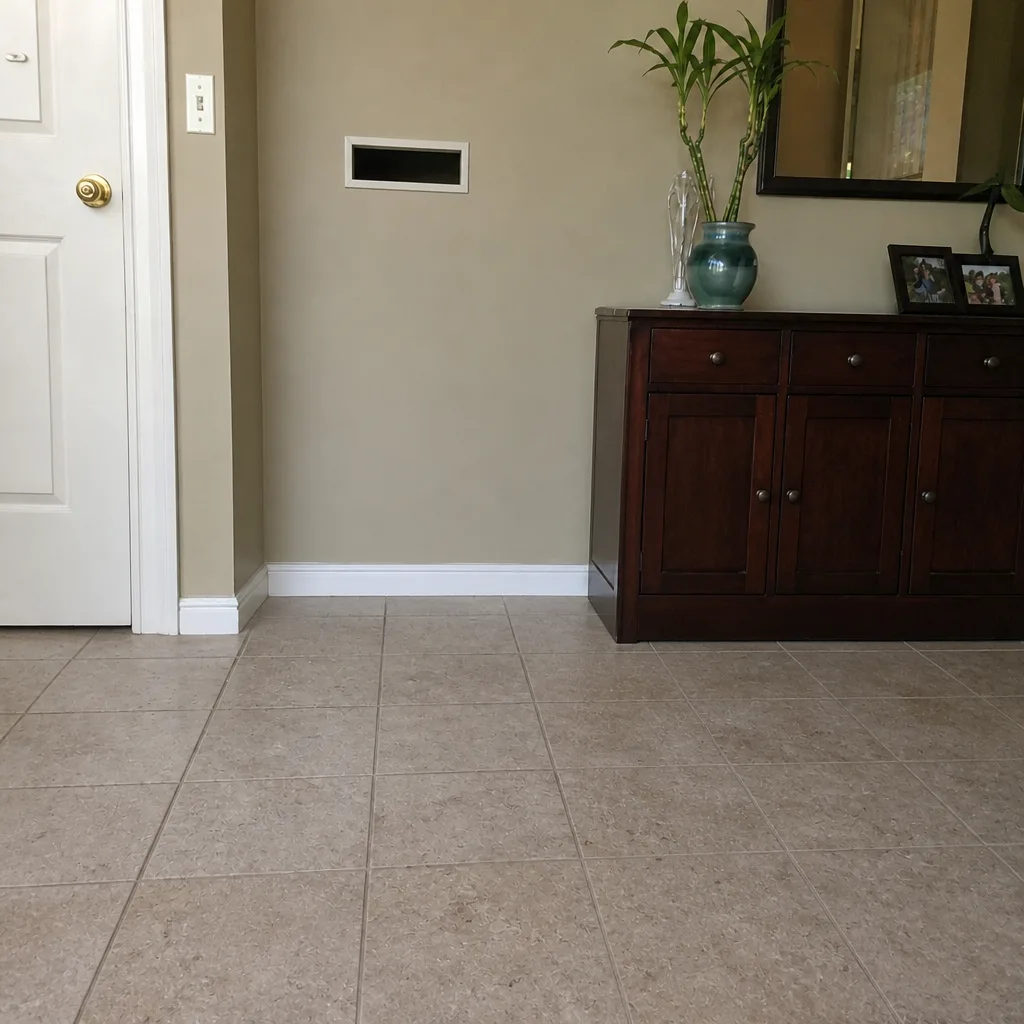 After
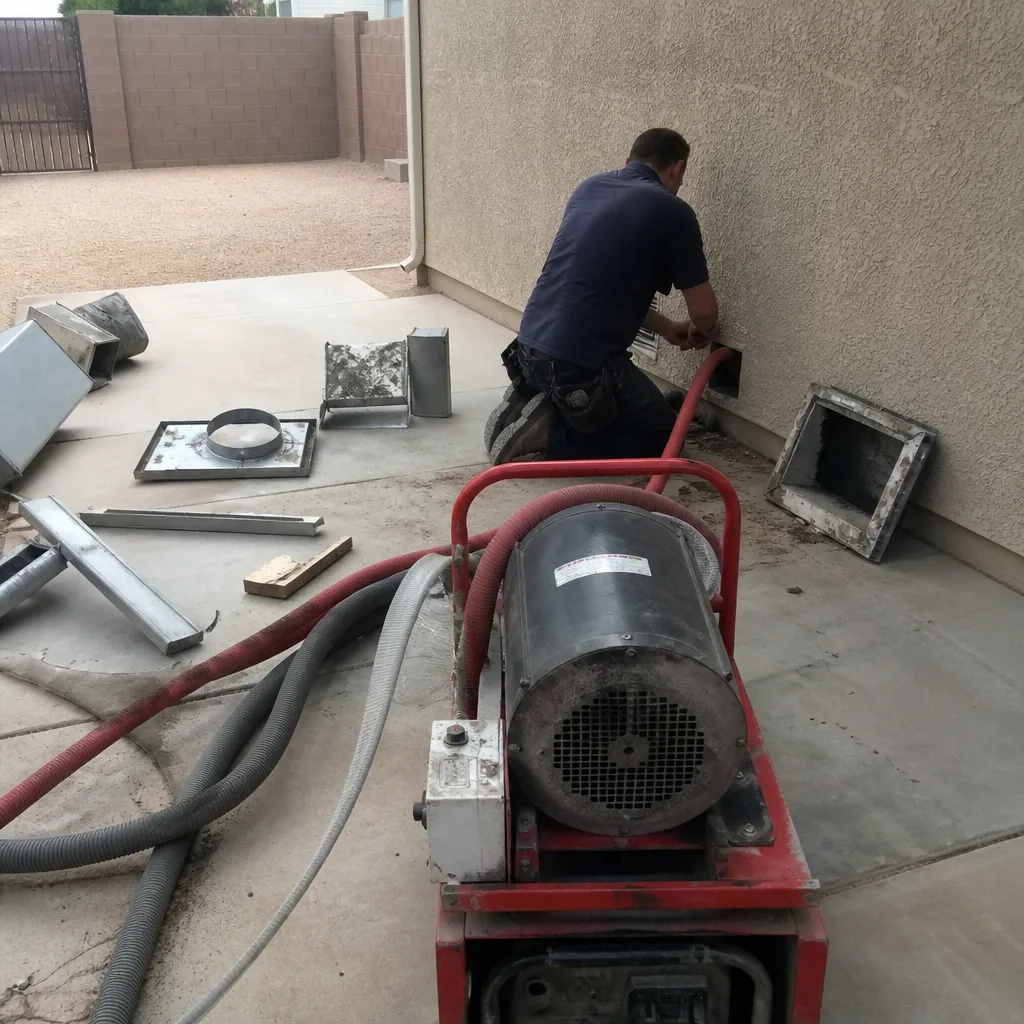 Before
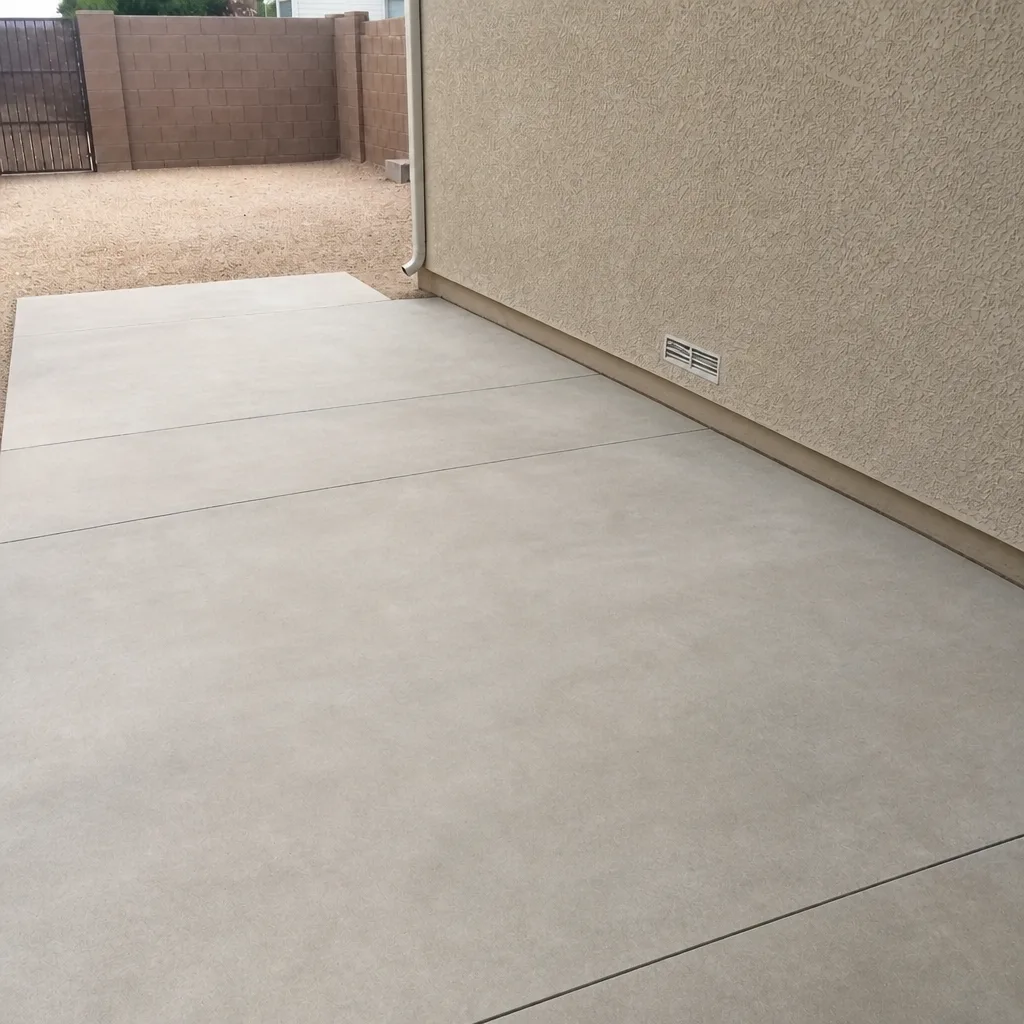 After
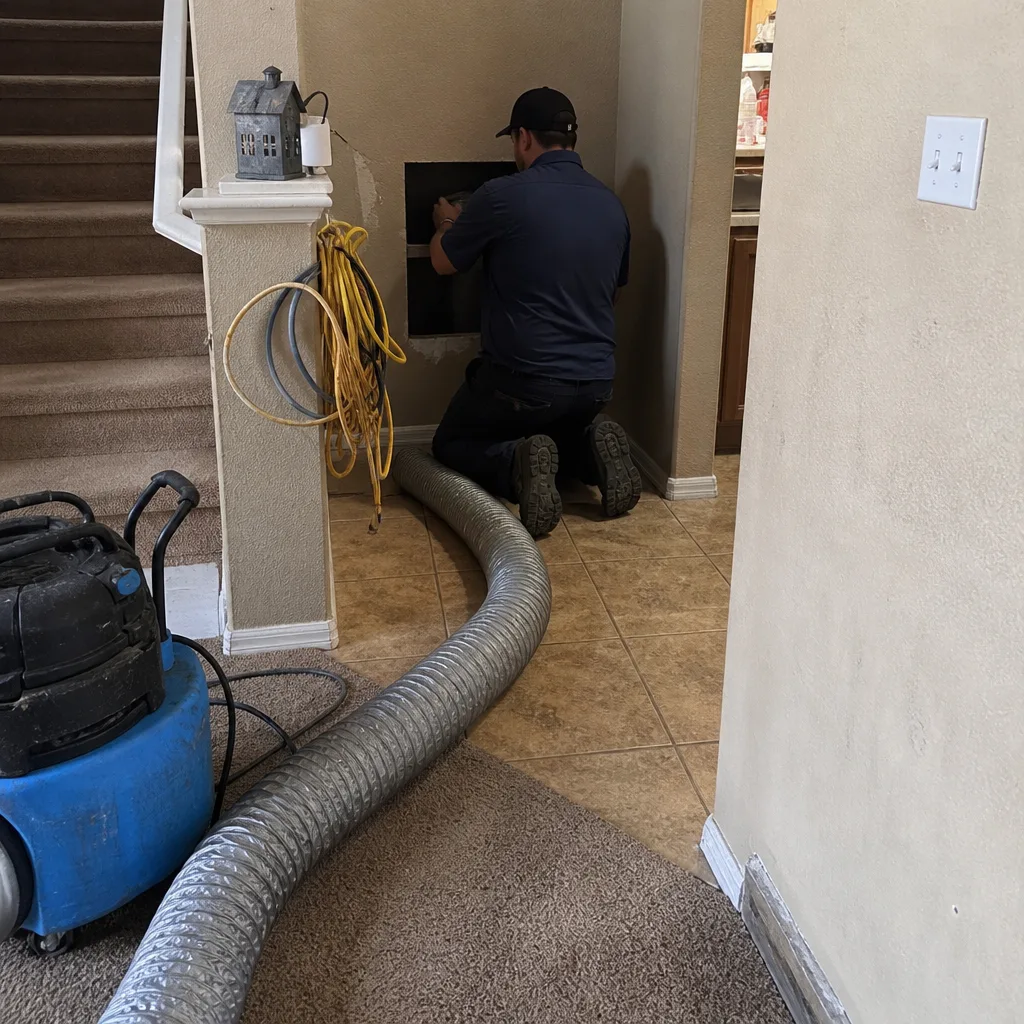 Before
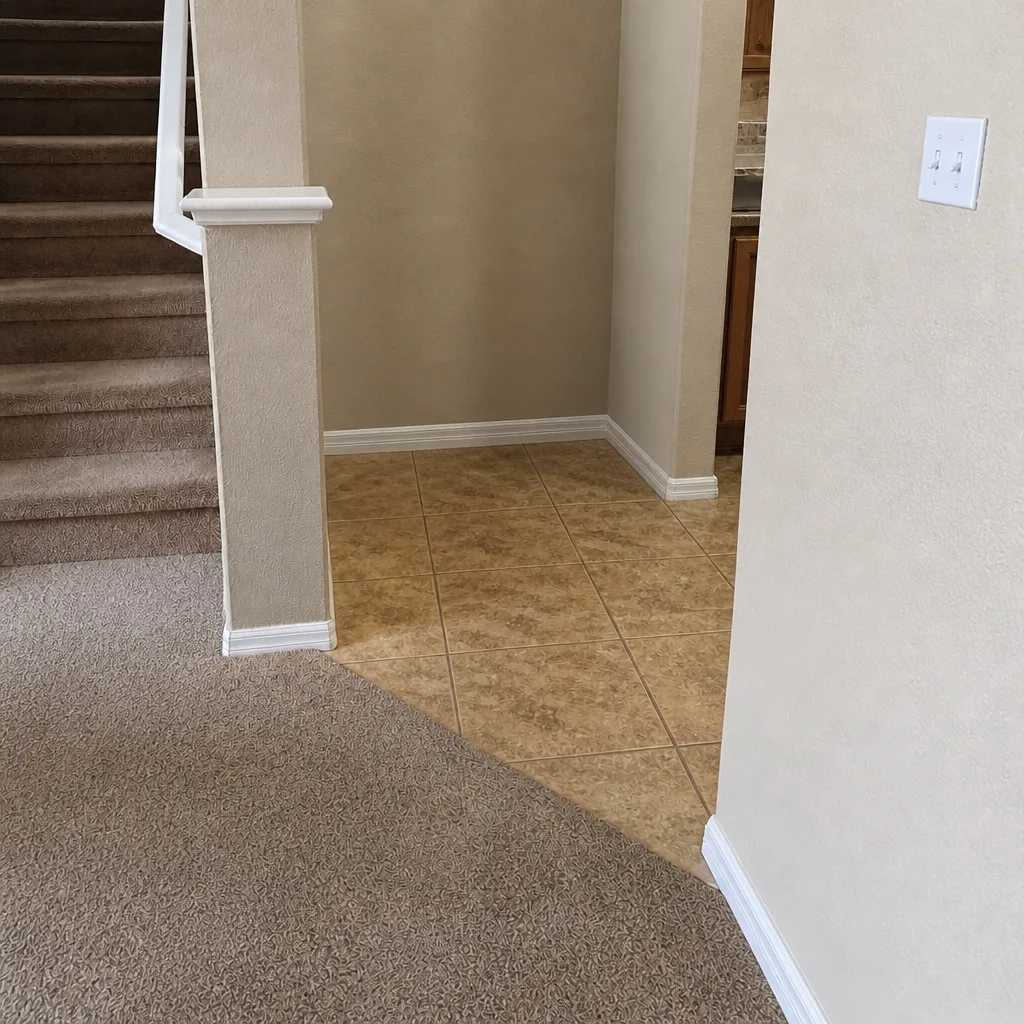 After
Frequently Asked Questions
You can vacuum grilles and reachable register openings with a shop vac, but you can’t clean the duct runs themselves. A shop vac doesn’t have the CFM to establish negative pressure across a whole duct system, so loosened debris stays in the duct or recirculates. If you want to handle surface work yourself, do that. Leave the duct interior to a professional system.
Ask for before-and-after photos of your own ductwork, taken at the start and end of the visit. A legitimate service photographs the runs they cleaned, and you should be able to compare them. If you’re not shown photos, or the photos look generic, that’s a signal the work was surface-level at best. Call (866) 942-6251 for an estimate with a clear scope.
Cheap quotes usually reflect a smaller scope: a couple of registers vacuumed with a shop vac rather than a full-system cleaning with contractor-grade collection equipment. There’s also a bait-and-switch pattern in this trade where a low teaser price grows once the technician is on site. One flat price per system, agreed before work starts, is the honest structure. Call (866) 942-6251 for a written estimate.
There’s no single answer, but most homes do well with cleaning every few years, and some go longer. Surprise homes often need it sooner than the general guidance suggests because the HVAC system runs more hours through the year, cycling air through the ducts more often. If registers get dusty within weeks of cleaning, or you’ve had a renovation, the interval should shorten.
Yes, when the equipment and technique are matched to the material. A trained technician adjusts brush pressure and uses the right agitation tool for flex duct so the liner doesn’t get damaged. The dangerous scenario is a homeowner pushing compressed air through an already-compromised liner, not a professional using the right equipment. Inspect first, then clean only if the duct is sound.
Duct cleaning can help by removing settled debris and particulate from the air stream your household breathes. It doesn’t address allergens outside the ductwork, and it isn’t a medical treatment. What it does is remove a reservoir of dust, pet hair, and particulate that a running HVAC system lifts back into the air. Many households notice a difference, especially when the ducts were visibly dirty. Call (866) 942-6251 to discuss your situation.
DIY vs. Professional: A Quick Comparison
If you want the decision distilled into a table you can scan in under a minute, here’s the honest side-by-side. DIY wins on grilles, filters, and dryer vent lint, and that’s about where it ends.
- Grille and register surface cleaning – DIY: yes. Professional: yes, included.
- Air filter replacement – DIY: yes. Professional: not the point of the visit.
- Dryer vent lint trap clearing – DIY: yes, every load. Professional: full vent line cleaning is a separate job.
- Accessible flex duct visual inspection – DIY: yes, spotting only. Professional: full inspection with repair if needed.
- Duct interior cleaning (trunk and branches) – DIY: no, needs contractor-grade equipment. Professional: yes, with agitation and HEPA collection.
- Contaminated-air scenarios (renovation, mold, water event) – DIY: no, needs containment. Professional: yes, with negative-pressure protocol.
- Duct repair (disconnected, crushed, torn) – DIY: no. Professional: yes.
The line is clear once you see it laid out. Anything inside the duct network itself, or anything involving contamination or repair, is on the professional side. Everything on the outside is fair game for you. Call (866) 942-6251 for a free estimate on anything you don’t want to handle yourself. Estimates are free, and the price is set per job by the written estimate.
What Contamination Actually Means in a Home Setting
Contamination gets thrown around loosely in duct cleaning marketing. It’s worth distinguishing the real scenarios from the sales pitch. Actual contamination that warrants professional containment involves one of three situations:
- Post-renovation dust migration. Drywall dust, sawdust, and fine particulate from a remodel settles throughout the duct network. It’s not visible at the register but it’s sitting in the trunk and branches.
- Water event or mold growth. If there’s been a leak, a burst pipe, or high humidity that led to visible growth inside the ductwork, this is a contamination scenario, not a dust scenario.
- Significant long-term accumulation. Ducts that haven’t been cleaned in many years, with visible debris, pet hair, or pest activity, can present a contamination profile that needs careful handling.
In each of these cases, the professional approach involves containment equipment so airborne debris is captured and sealed, not released. Our team uses Abatement Technologies containment systems, which puts the work area under negative pressure so nothing escapes. That’s not a marketing line. It’s the difference between removing contamination and spreading it through the room while you work.
If you’re not sure which scenario applies to you, that’s a good reason to call for an inspection. A qualified technician can tell the difference in a few minutes of visual assessment.
For whole-home filtration conversations, our familiarity with Honeywell and Aprilaire systems means we can discuss your setup and point to filtration upgrades that actually fit. That’s advisory, not a push. It comes up because upgrading filtration in a high-runtime climate goes further than people expect.
The Bottom Line
DIY vs. professional duct cleaning isn’t about whether you’re capable of scrubbing. It’s about whether your setup can move debris out of the system or just around it. Without contractor-grade negative-pressure collection, any attempt that agitates settled debris pushes it into the air your household breathes. In Surprise’s high-runtime HVAC environment, that’s a real problem, not a theoretical one. Handle the grilles, filters, and dryer vent lint trap yourself. Bring in a professional with Rotobrush and Nikro equipment for anything past that, especially after renovations, contamination events, or if you can’t remember the last cleaning.
The right call is to get a written estimate from someone who can tell you exactly what equipment will be used in your home, at a flat price per system, with before-and-after photos of your own ducts when the work is done. Call Duct Cleaning Surprise at (866) 942-6251 for a free estimate. We answer 24/7. Fast dispatch from 7am to 7pm, Sunday through Friday. Estimates are free, the price is set per job by the written estimate, and you’ll see exactly what was removed.
Written by the team at Duct Cleaning Surprise.