
Last updated November 15, 2026
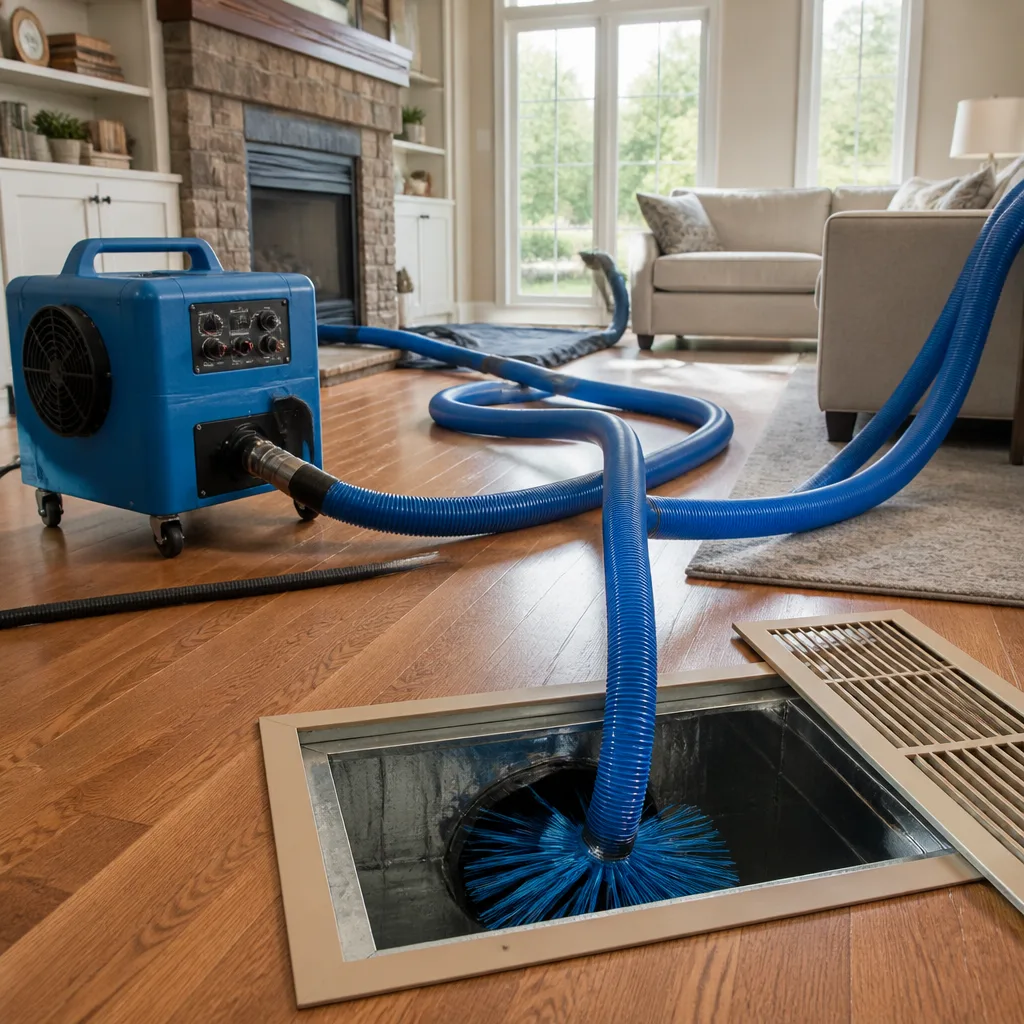 Whole-home duct cleaning
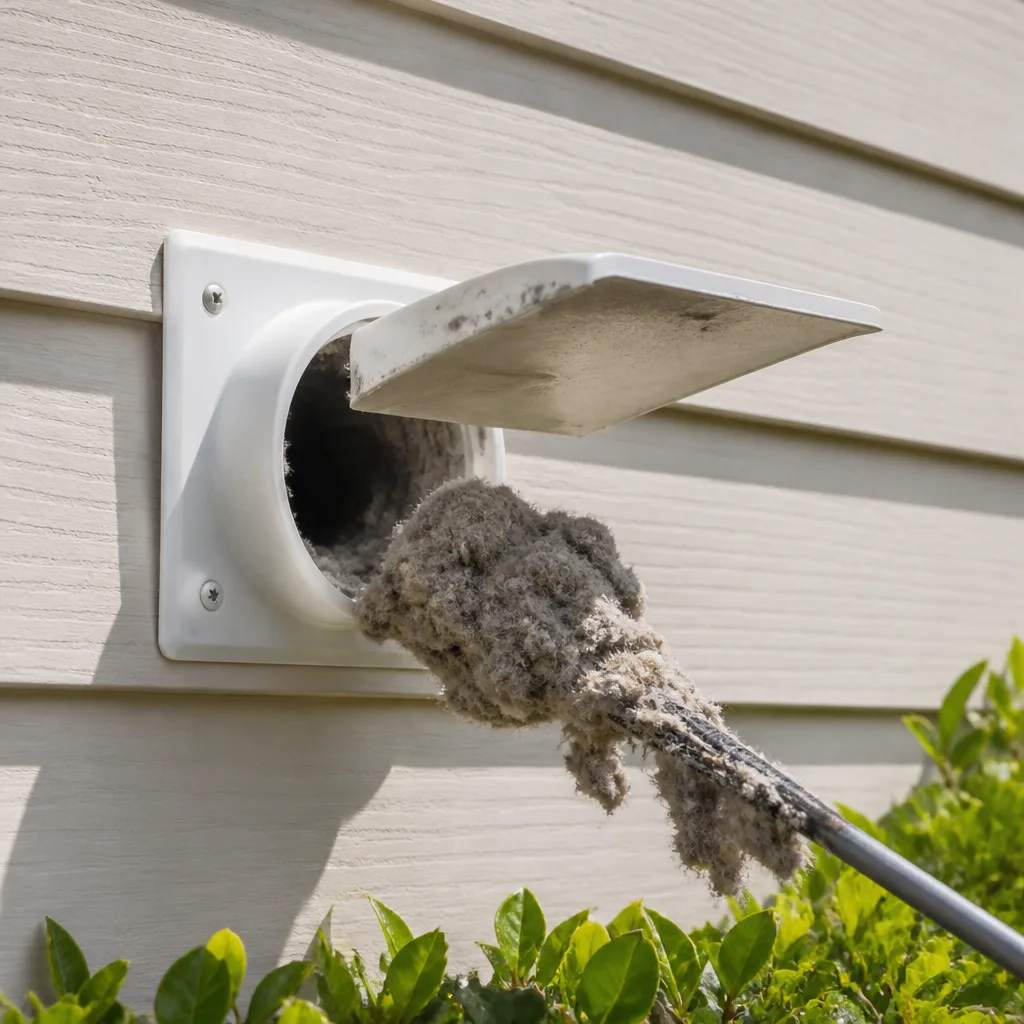 Dryer vent cleaning
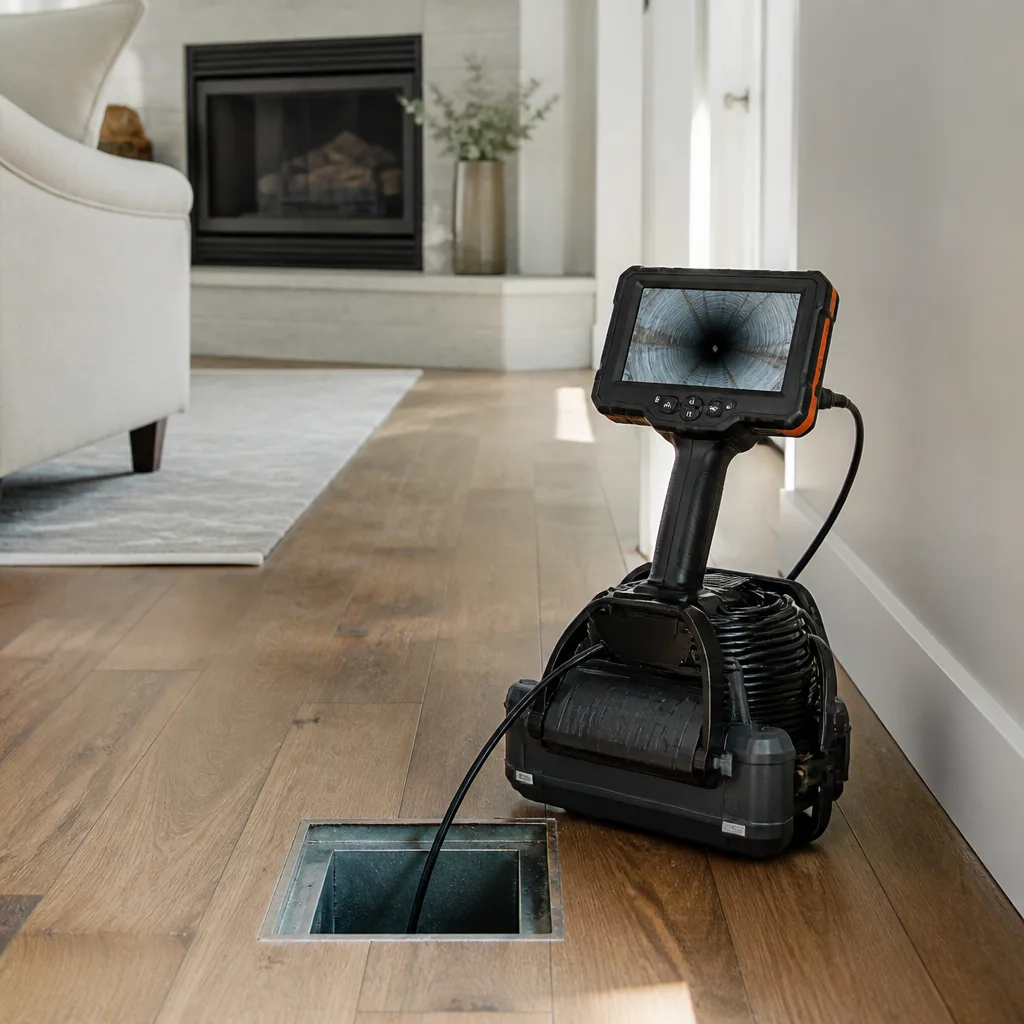 Camera inspection
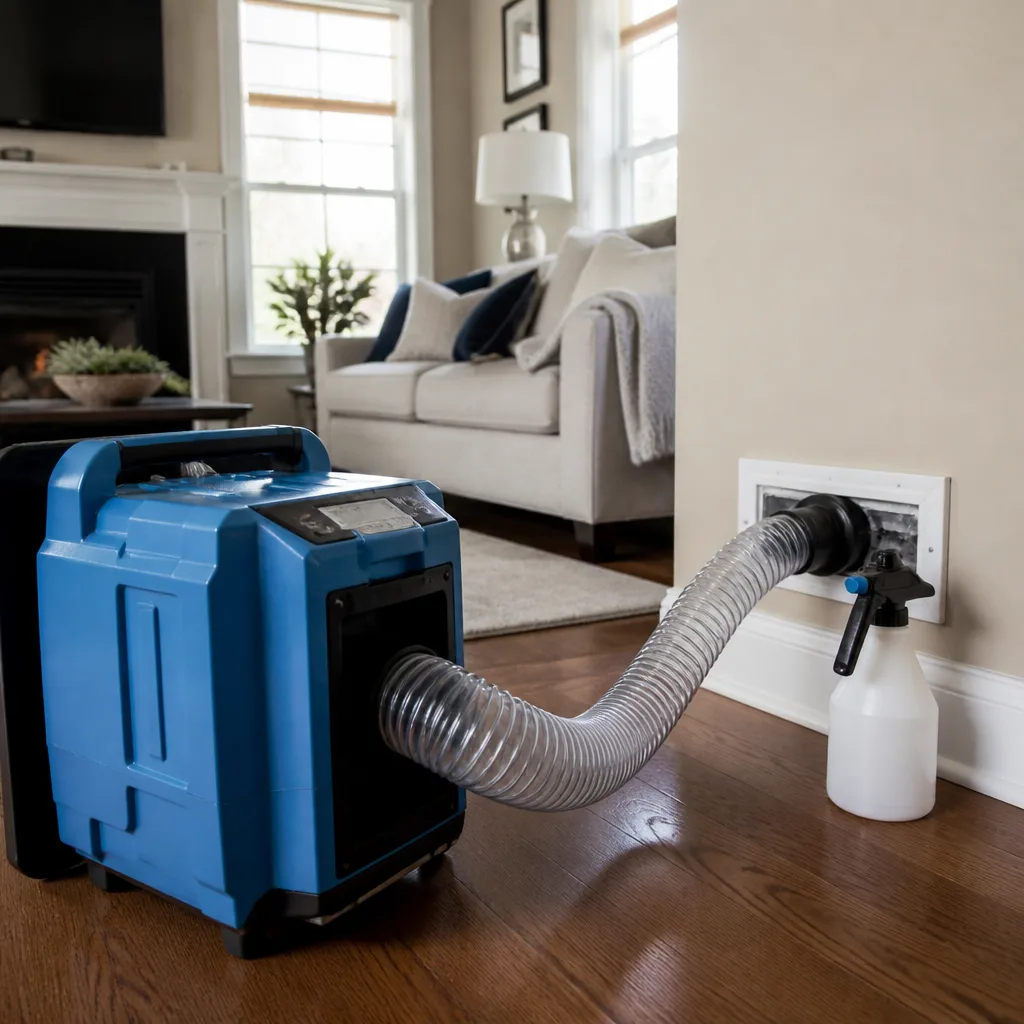 Sanitizing & deodorizing
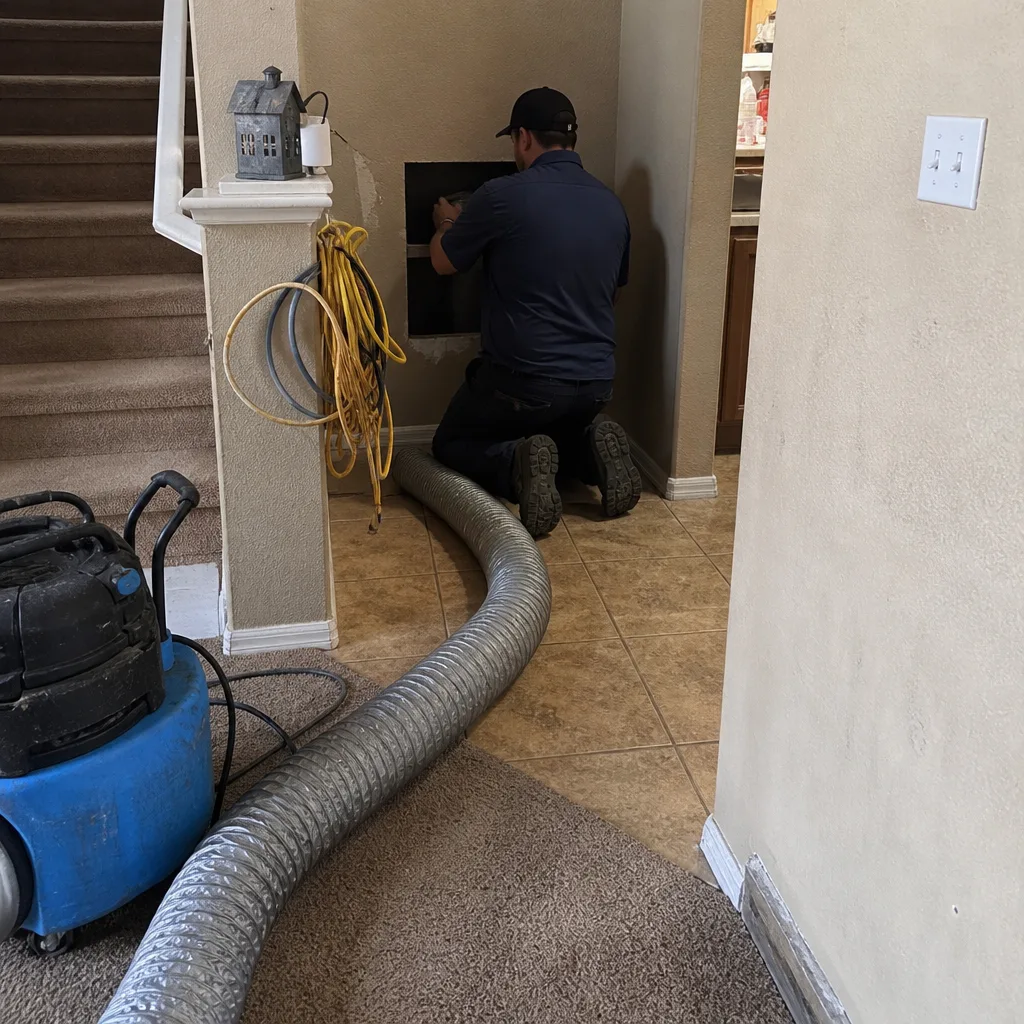
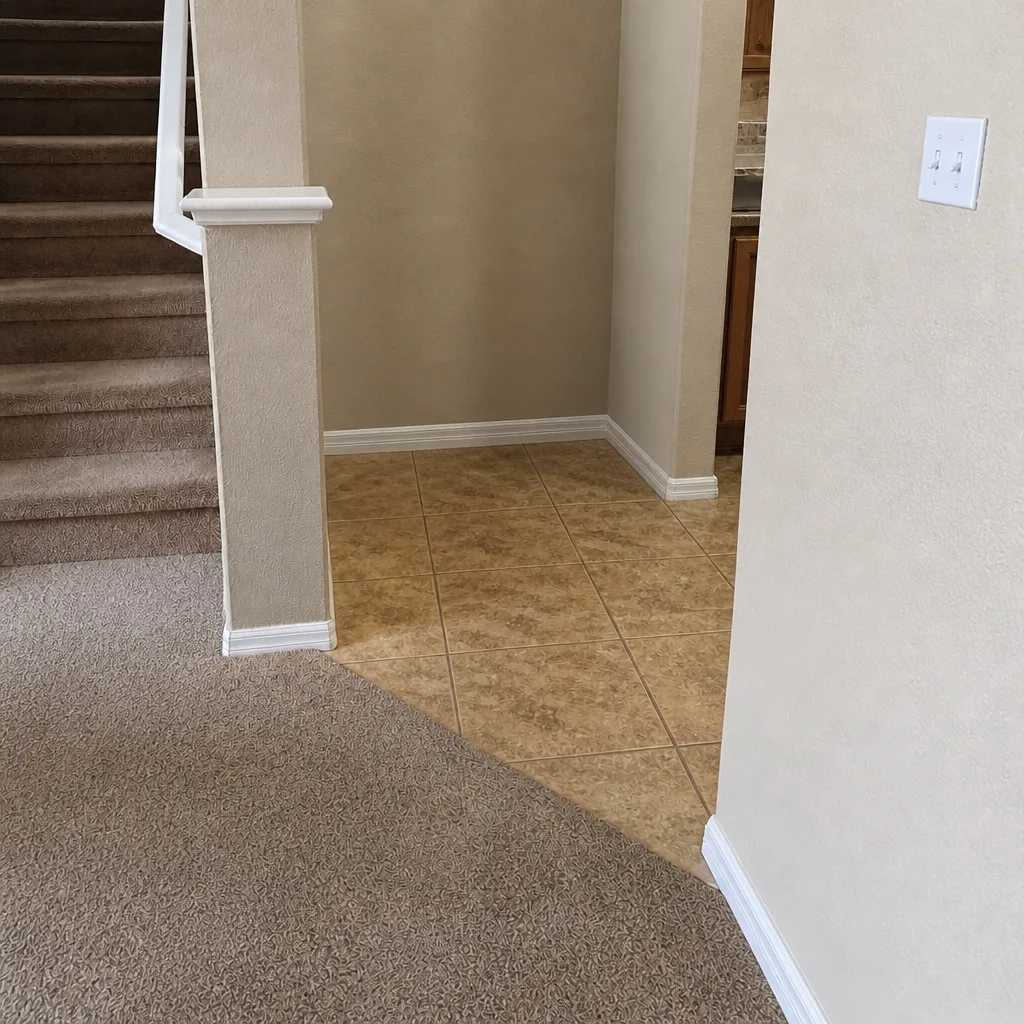
Whole-system duct and dryer vent check with before-and-after photos - you see exactly what came out of your vents
That "$99 whole-house special" is a bait ad - the real number appears once they are in your hallway, or the "clean" is a shop-vac at the register. We photograph the inside of your ducts before and after instead.
Air Duct Cleaning Emergency Preparedness Guide for Surprise Homes
Most Surprise homeowners treat duct cleaning as a spring-cleaning chore, something to get around to eventually. That’s the wrong frame. The events that actually wreck a duct system here aren’t gradual dust buildup – they’re the haboob that rolls in off the desert, the monsoon microburst, the wildfire smoke that settles into the valley, the rodent that chews through a flex run after a storm. Each one can push a season’s worth of particulate into a home in a single night. This guide walks through the specific emergencies Surprise weather and geography throw at ductwork, what to check first, when to run the system and when to shut it down, and how to document damage so an insurance claim actually holds up.
Quick Answer
A duct emergency in Surprise usually falls into one of four buckets: post-dust-storm infiltration, smoke intrusion, rodent breach, or disconnected or crushed ductwork. For dust storms, shut the system down until the outdoor air clears, then swap the filter and assess before running it again. For rodent breaches or disconnected ducts, stop running the system and get an inspection, because cleaning alone won’t fix a broken envelope. Document everything with dated photos before anyone touches it if you intend to file an insurance claim.
Styles & brands we work with
- Whole-home duct cleaning
- Dryer vent cleaning
- Camera inspection
- Sanitizing & deodorizing
Table of Contents
- Post-Haboob Duct Assessment: What to Check First
- What to Do If the HVAC Ran During a Dust Event
- Rodent Intrusion After Weather Disruption
- Fire and Smoke Events: What Duct Cleaning Can and Can’t Fix
- Documenting Duct Damage for Insurance
- Monsoon Season and Duct Integrity
- Filtration Upgrades as Preparedness, Not Panic
- A Seasonal Self-Check You Can Run in Ten Minutes
Post-Haboob Duct Assessment: What to Check First
A haboob is the dust wall that pushes through the West Valley during monsoon season, and it doesn’t behave like ordinary wind. The fine particulate it carries is small enough to pass a cheap filter and settle inside ductwork, on blower wheels, and in the return plenum. A compromised return air duct – a loose joint, a torn flex connection, a missing access panel – lets that dust bypass filtration entirely and go straight into the living space. In our experience, the homes that get hit hardest aren’t the dirty ones; they’re the ones with a small breach nobody noticed until the storm found it.
Here’s what to check in the first 24 hours after a major dust event:
- Look at the return air grilles. A visible dust film on the grille face after a storm is a sign the return side saw unfiltered air.
- Check the filter itself. If it’s caked and gray after one storm, the system pulled dirty air through it, and some of that air went around the edges if the filter fit is loose.
- Walk the accessible duct runs in the attic or garage. Torn flex duct, separated joints, and dangling insulation are the obvious failures.
- Sniff the air when the system first comes on. A musty or dusty smell that wasn’t there before points to debris sitting in the plenum or on the evaporator coil.
- Note any new dust patterns on furniture or window sills near supply registers. Localized dust at a register suggests a leak near that run.
If any of those signs show up, shut the system off and get an inspection before you run it again. Running a compromised system after a dust event just distributes the infiltrate through every room in the house.
What to Do If the HVAC Ran During a Dust Event
It’s common for a Surprise homeowner to come home after a haboob to find the thermostat was running the whole time – either the schedule never changed or someone left it on. That’s not a disaster, but it does change the response. Running during a dust event pulls a heavy particulate load into the return, through the filter, and into the blower and coil. The filter catches most of it, but not all, and any breach in the duct envelope let the rest through.
Here’s the sequence we recommend:
- Shut the system down once the outdoor air clears. Don’t keep cycling it while you assess.
- Swap the filter for a fresh one. A mid-grade pleated filter is the right call here – you want capture without choking airflow. A MERV rating that’s too high on an older system can strain the blower.
- Run the system for 20 to 30 minutes with the fresh filter. That’s enough to clear the residual dust that settled in the return plenum and move it through to the filter.
- Pull the filter and look at it. If it’s already soiled after 30 minutes, the return side is still shedding debris and the system needs professional attention.
- Wait 24 hours, then check registers and interior surfaces again. If dust is still settling, the duct interior needs mechanical cleaning, not another filter swap.
What you don’t want to do is run a compromised system with a fresh filter for days hoping it self-clears. It won’t. The debris sits in the duct and re-enters the airstream every time the blower comes on. Ducts that took a heavy load need actual extraction, which is what air duct cleaning with a rotary agitation system and HEPA-rated vacuum is built to do.
Rodent Intrusion After Weather Disruption
Weather disruption pushes rodents. A monsoon storm that floods a burrow or tears through a nesting area sends pack rats and field mice looking for new shelter, and a Surprise attic with a loose duct connection is an invitation. Flex duct is a particular target – rodents chew through the outer jacket and insulation to get at the warmer interior, and once they’re inside, you’ve got nesting material, droppings, and urine in the airstream.
The signs to look for after a storm:
- Chewed or torn flex duct jacket, often near the air handler or where runs pass through roof penetrations.
- Droppings or nesting material in the attic near duct runs.
- A sudden musty or ammonia-like odor when the system runs.
- New gaps at duct boots where a rodent pushed through insulation.
- Scratching or movement sounds in the attic, especially near dusk.
Here’s the part most homeowners miss: this is not a cleaning-only job. If a rodent chewed a hole in a duct run, you can vacuum the interior all day and the problem comes right back the next time the blower pressurizes the system, because the breach is still there. This is a cleaning-plus-repair situation. The contaminated material comes out under negative-pressure containment – that’s where Abatement Technologies containment equipment matters, because it keeps the disturbed debris from migrating into the living space during the work – and then the damaged run gets repaired or replaced so the envelope is sealed again. We clean it, and if it’s broken, we fix it. That combination is what most single-service duct cleaners can’t offer, and it’s why a rodent job needs a contractor who does both.
After the duct is repaired and cleaned, seal the entry point. Otherwise you’re inviting the next rodent in.
Fire and Smoke Events: What Duct Cleaning Can and Can’t Fix
Wildfire smoke events are the quiet duct problem in Surprise. Smoke doesn’t need a breach to get in; it travels on the same airstream the system pulls, and fine smoke particulate settles on duct surfaces, the blower, and the evaporator coil. If the system was running with windows open or with a filter that was overdue, the load gets heavier.
What duct cleaning does help with after a smoke event:
- Removing settled ash and soot particulate from duct interiors so the blower doesn’t redistribute it every cycle.
- Cleaning the blower wheel and coil surfaces, where smoke residue tends to accumulate and hold odor.
- Replacing a smoke-saturated filter with a fresh one rated for fine particulate.
What duct cleaning does not fix:
- Structural smoke damage to walls, insulation, or attic materials – that’s a restoration job, not a duct job.
- Odor that’s coming from soft goods (furniture, carpet, clothing) rather than the duct system.
- Fire damage to the air handler or any component that’s been heat-stressed. That needs an HVAC evaluation before the system runs again.
One practical note for Surprise homeowners during a regional smoke event: if the outdoor air quality is bad, run the system with a fresh filter and the fan set to recirculate rather than pulling fresh air. Keep windows closed and don’t run the system if the filter is overdue. A cheap filter saturated with smoke particulate is worse than no filtration because it restricts airflow and stresses the blower. If the system has been run through a long smoke event, get an inspection before the next cooling season.
Documenting Duct Damage for Insurance
A homeowner’s policy usually covers sudden and accidental damage – a monsoon microburst that tears off a roof section and opens a duct, a rodent breach following a storm, water intrusion that saturates duct insulation. It rarely covers gradual deterioration or deferred maintenance. The difference between a paid claim and a denied one is documentation, and the time to build that documentation is before anyone cleans anything.
Here’s what a contractor needs to provide for a successful claim:
- Dated photos of the damage, taken before cleaning. Wide shots showing the location, then close-ups showing the specific breach, chew marks, water staining, or separation.
- A written scope of work describing what failed, what caused it, and what’s required to repair it – not just “cleaned ducts.”
- The cause-and-origin narrative. This is the piece most homeowners miss. The insurer needs to know the damage was sudden and accidental, not cumulative, and a contractor’s written description of what they saw supports that.
- Materials documentation – duct type, R-value if applicable, and any replaced components – so the adjuster can value the repair.
- Before-and-after photos of the actual work performed, which we take as a standard part of every job.
What you should do on your end: photograph the damage yourself the moment you notice it, keep the filter you pulled (dated, in a bag) if it’s part of the story, and don’t let anyone clean or repair before the documentation is in hand. Once duct material is removed, the evidence is gone. Call your insurer before the work begins, not after. If you’re not sure whether what you’re looking at is claim-worthy, get an inspection first – Duct Cleaning Surprise offers free estimates in Surprise, and a written assessment gives you something concrete to hand your adjuster.
Monsoon Season and Duct Integrity
Monsoon season in Surprise runs roughly June through September, and it’s the single most important window for duct-system readiness. The storms bring three things that matter for ducts: wind-driven dust (haboobs), sudden heavy rain that can find its way into attic duct insulation, and temperature swings that stress duct connections.
The pre-season checks worth doing in May:
- Walk the attic and look for sagging flex duct, torn jacket, or disconnected runs. Any of those will leak under monsoon wind pressure.
- Check that all registers and return grilles are seated and the boots are sealed to the drywall.
- Confirm the filter is fresh and correctly sized – a loose filter lets unfiltered air around the edges.
- Look for water staining on duct insulation from the previous season’s storms. Stained insulation means water got in, and wet insulation is a mold food source.
- Check the attic access panel seal and any roof penetrations near duct runs.
After a storm, the two obvious checks are the ones most homeowners skip: look at the filter (is it loaded?), and look at the attic (is the duct still where it was?). A microburst can move a poorly supported duct run or tear a connection without doing anything visible to the house. If the duct envelope is compromised, the system will pull attic air – hot, dusty, sometimes with insulation fibers – into the living space. That’s the failure mode that shows up as an energy bill spike and a persistent dust problem that won’t go away. When a Surprise homeowner tells us the house suddenly feels hotter or dustier after a storm, a disconnected duct is the first thing we check.
Filtration Upgrades as Preparedness, Not Panic
The best duct emergency is the one you prepare for. That means thinking about filtration before the haboob, not after. We work with Honeywell and Aprilaire filtration products, and the reason is practical: the filter is the front line, and the difference between a mid-grade pleated filter and a properly sized media cabinet is the difference between a manageable dust event and a duct system that needs pulling apart.
What to know before you upgrade:
- Higher MERV isn’t automatically better. An older system with a restrictive high-MERV filter can lose airflow and strain the blower. Match the filter to the system’s design.
- A media cabinet filter (the kind that mounts in a larger housing) holds more particulate and lasts longer than a 1-inch filter, which is relevant if you’re in a dusty part of Surprise or near open desert.
- The filter only works if the housing is sealed. A gap around a 1-inch filter lets unfiltered air into the return, which is the same failure as a breached duct.
- Swap filters on a schedule tied to your conditions, not just to the calendar. Homes near open desert, or with pets, or with a recent renovation need more frequent changes.
For contaminated-air scenarios – construction dust after a remodel, a rodent event, smoke intrusion – filtration alone isn’t enough. That’s when negative-pressure containment matters. Abatement Technologies equipment keeps the work area under negative pressure so disturbed debris doesn’t re-enter the home during the cleaning, which is the difference between a professional job and a shop vac that just stirs everything up.
A Seasonal Self-Check You Can Run in Ten Minutes
Before any storm season, run this ten-minute check. It won’t catch everything, but it catches the failures that turn a dust event into a duct emergency.
- Open the filter slot. Look at the filter and the housing. Is the filter seated, correctly sized, and clean? Is the housing sealed?
- Turn the system on and stand near a return grille. Listen for whistling or rattling, which can indicate a loose connection.
- Check every supply register in the house. Feel for airflow at each one. A run with weak or no airflow has a leak, a disconnect, or a crushed section.
- Look at the register faces for dust streaks. Streaks mean the register is leaking and pulling attic or wall cavity air.
- Walk into the attic if you have safe access. Look for torn flex jacket, separated joints, sagging runs, or water staining on insulation.
- Sniff the air at the first run of the day. If it’s musty or dusty, something’s been sitting wet or contaminated in the system.
If any of those turn up a problem, get it inspected before the next storm loads it further. A small breach found in May is a repair. The same breach at the end of September, after six storms, is a full duct cleaning plus a repair plus possibly an insurance conversation. When you do need professional work, ask what equipment the company runs. Rotobrush rotary brush systems handle the mechanical agitation the job requires, and Nikro HEPA vacuum equipment captures particulate at the source instead of recirculating it into the home. If you’re comparing quotes and the company can’t name their equipment, ask why.
Common Mistakes to Avoid
- Running the system during a haboob without checking the filter first. Pulling a full dust load into an already-loaded filter just pushes the excess around the edges. Swap the filter before the storm if it’s due.
- Assuming a fresh filter fixes a contaminated duct. A filter stops what passes through it, not what’s already sitting in the duct from a previous breach. If the system had a compromised envelope, the filter doesn’t touch the debris downstream of it.
- Cleaning after a rodent breach without repairing the breach. A cleaning without a repair is money spent twice. The rodents come back through the same hole and the duct gets recontaminated.
- Letting anyone clean before documentation if insurance is involved. Once the duct material is removed, the adjuster can’t see the damage. Photograph first, then clean.
- Paying per-vent for what should be a whole-system job. Per-vent pricing is how a cheap quote becomes a big invoice once the technician is on site. A flat price per system, agreed before work starts, is what you want.
- Using a high-MERV filter on an older system without checking airflow. A restrictive filter on an undersized return can strain the blower and cut cooling performance. Match the filter to the system.
- Skipping the dryer vent in a heat and dust event. Dryer vents are a leading household fire risk, and they load up faster in a dusty environment. If you’re doing duct work, get the dryer vent cleared at the same time.
See the difference
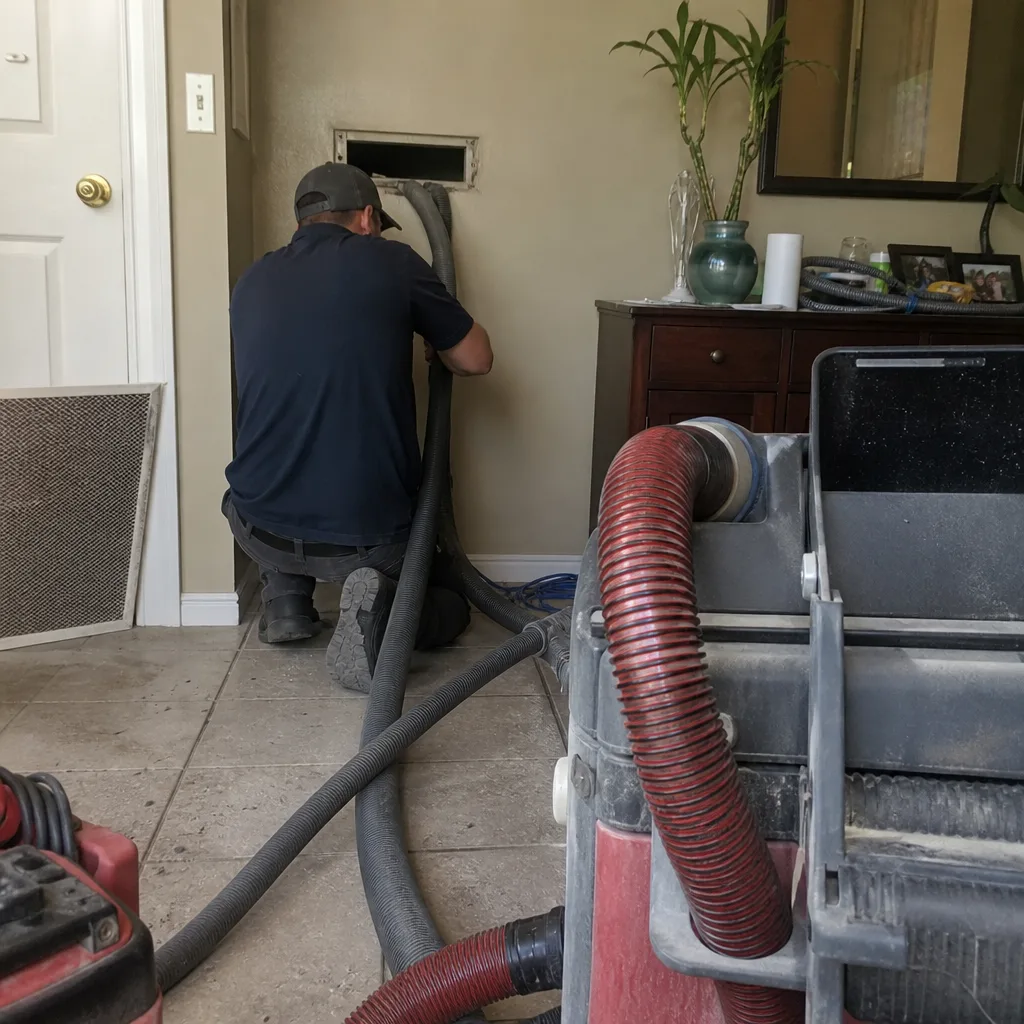 Before
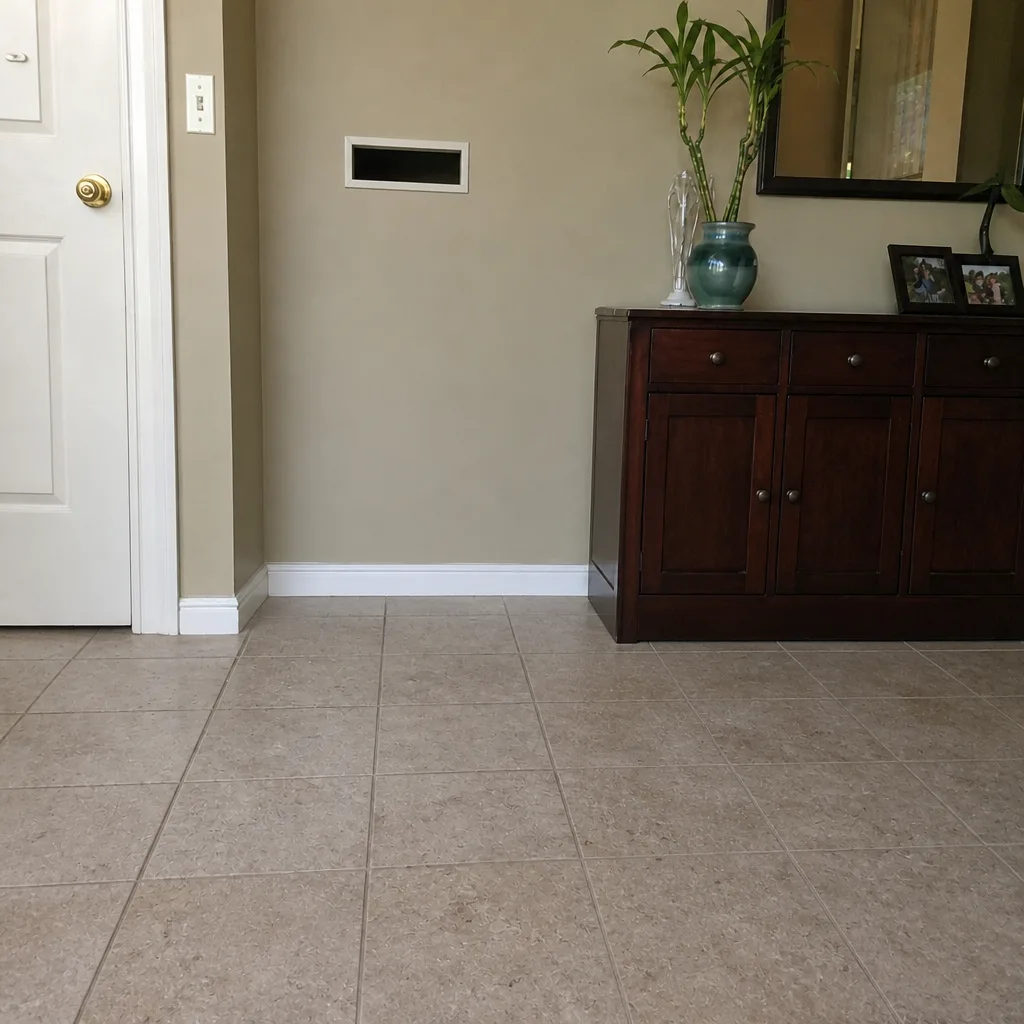 After
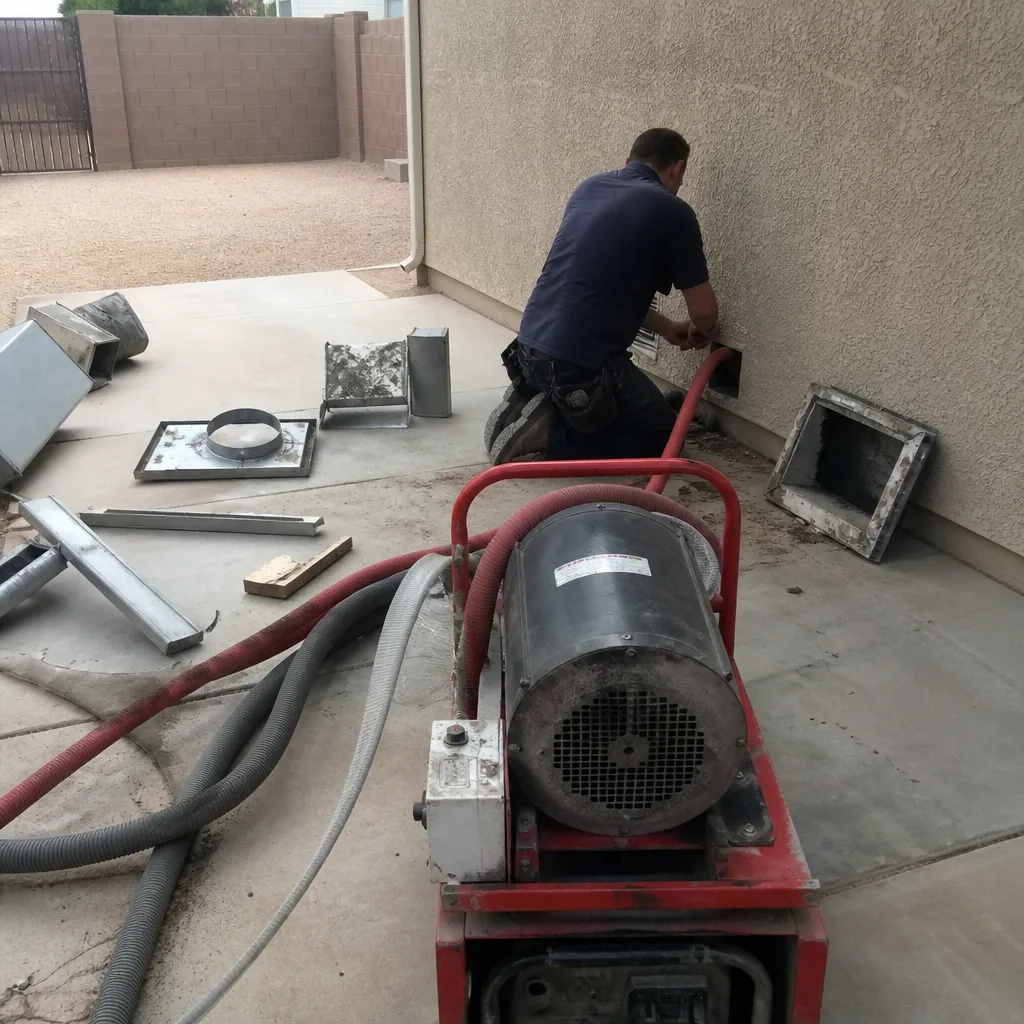 Before
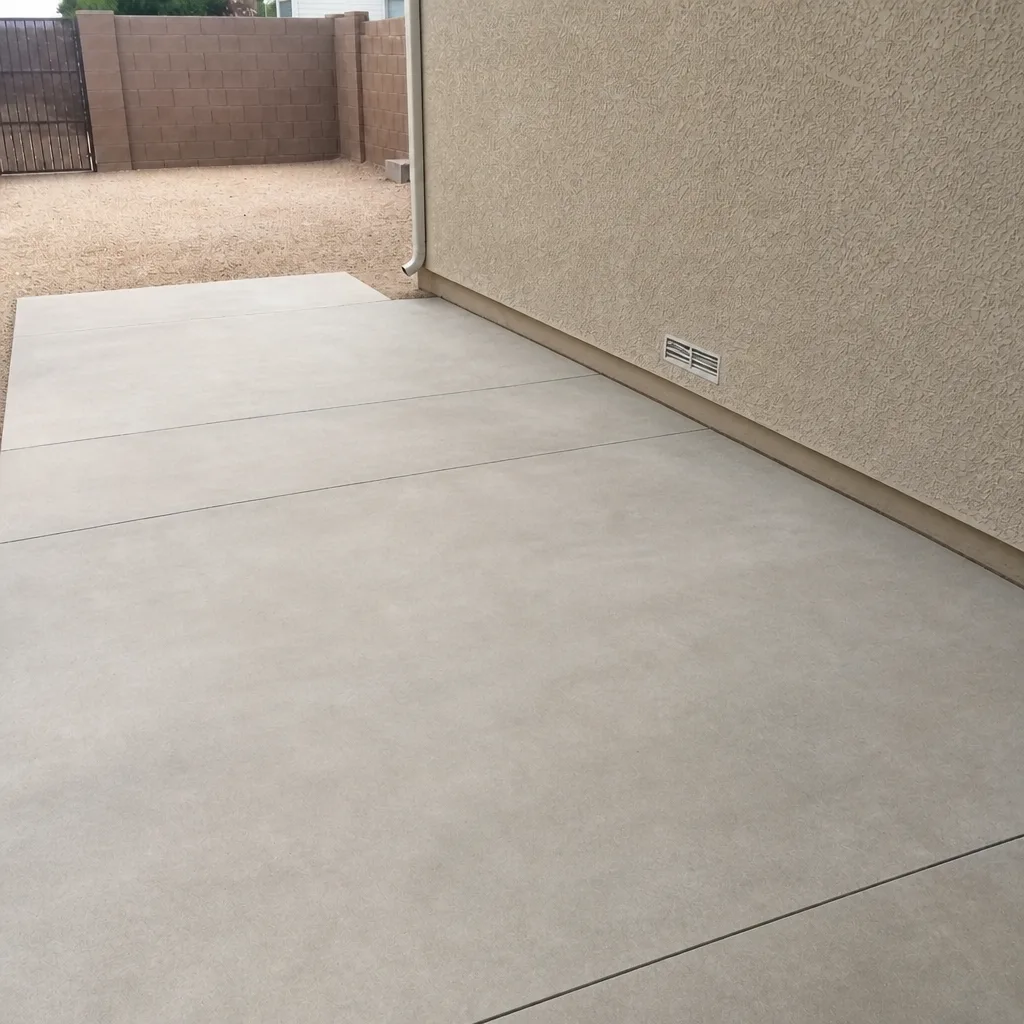 After
 Before
 After
When to Call a Professional
Call a professional when you can’t see the whole duct envelope – which is most homes. Attic runs, plenum connections, and any duct behind drywall need an inspection most homeowners can’t safely do themselves. Specific scenarios that justify a call: a haboob that left the filter caked and dust still settling after a filter swap; a rodent event with confirmed chew marks; a disconnected or crushed duct; smoke residue after a wildfire event; or any damage you intend to file on insurance. Call if the system suddenly feels hotter, dustier, or noisier after a storm – that’s often the first sign of a breach. Duct Cleaning Surprise offers free estimates in Surprise – call (866) 942-6251. We answer 24/7. Fast dispatch from 7am to 7pm, Sunday through Friday.
Frequently Asked Questions
Air duct cleaning in Surprise typically ranges from about $300 to $700 for a whole residential system, depending on the number of registers, the length and condition of the runs, and whether repair is needed. Jobs with significant debris loads after a storm, or with duct repair on top of cleaning, price higher. The written estimate sets the final price, and we quote it before any work starts. Call (866) 942-6251 for an exact quote – estimates are free. We answer 24/7, with fast dispatch from 7am to 7pm, Sunday through Friday.
Cheap quotes are usually cheap because they’re either a per-vent teaser that balloons once the technician is on site, or they use equipment that doesn’t actually agitate and extract the duct interior. A shop vac and a brush on a stick doesn’t move what a Rotobrush rotary brush moves. Ask what equipment the company runs before you book, and get a flat price per system agreed in writing. We quote a flat price per system, agreed before work starts, with before-and-after photos of your own ducts. Call (866) 942-6251 for a free estimate.
You should see before-and-after photos of your own ducts, not stock images. Ask for those as a condition of the job, and ask for a written report of what was found and what was removed. A company that won’t provide either is telling you something. We take before-and-after photos as a standard part of every job. Call (866) 942-6251 and we’ll walk you through what the inspection and report include.
For most Surprise homes, every two to four years is the honest answer, but conditions matter more than the calendar. Homes near open desert, homes with pets, homes with allergy or asthma concerns, and homes that have been through a major dust or smoke event need it sooner. Dryer vents should be cleared more frequently. The dust events here load a system faster than in a climate with less airborne particulate, so a home that skips a season of filter changes is looking at a sooner cleaning. Call (866) 942-6251 to talk through your situation and get a free estimate.
Not always, but you need to check. Shut the system down after the outdoor air clears, swap the filter, run 20 to 30 minutes, and look at the filter again. If it’s already heavily soiled after that short run, or if dust is still settling in the house, the duct interior saw unfiltered air and needs mechanical cleaning. If the filter held and the interior stayed clean, you’re probably fine. Call (866) 942-6251 if you want an inspection to confirm.
No. A rodent breach means the duct envelope is compromised, and cleaning without repairing the breach just recontaminates the system the next time the blower runs. The right approach is cleaning under negative-pressure containment plus a repair to seal the breach. We clean it, and if it’s broken, we fix it. Call (866) 942-6251 for a free estimate, and we’ll scope both the cleaning and the repair. We answer 24/7, with fast dispatch from 7am to 7pm, Sunday through Friday.
The Bottom Line
Duct emergencies in Surprise are mostly predictable, which is good news – you can prepare for them. The haboob, the monsoon microburst, the wildfire smoke event, and the rodent push that follows weather disruption all follow patterns, and each one has a clear response: shut the system down, swap the filter, assess the envelope, document if insurance is involved, and get a professional in when the visible signs point to a breach. Cleaning without repair doesn’t solve a compromised duct. A cheap per-vent quote doesn’t solve it either. What solves it is a qualified assessment, a flat price agreed before work starts, and equipment that actually extracts what’s in the duct. Call (866) 942-6251 for a free estimate. We answer 24/7. Fast dispatch from 7am to 7pm, Sunday through Friday.
For more on our full-service approach in the area, see Duct Cleaning Surprise, our dryer vent cleaning service, and our regional coverage for Surprise. Our technicians have up to 11 years of experience, and we run contractor-grade equipment including Rotobrush rotary brush systems, Nikro HEPA vacuums, and Abatement Technologies containment equipment. Licenses, insurance, and a strong local reputation stand behind the work.
Written by the team at Duct Cleaning Surprise.