
Last updated November 15, 2026
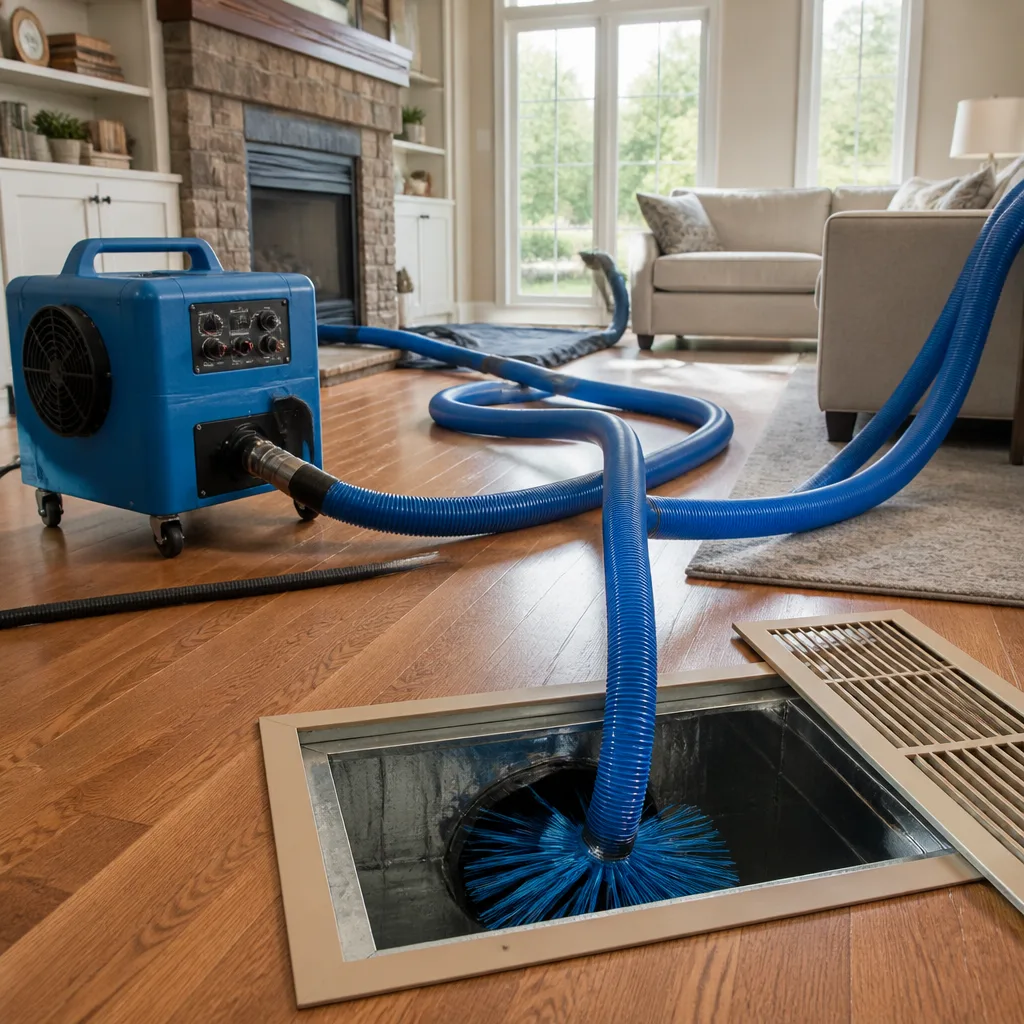 Whole-home duct cleaning
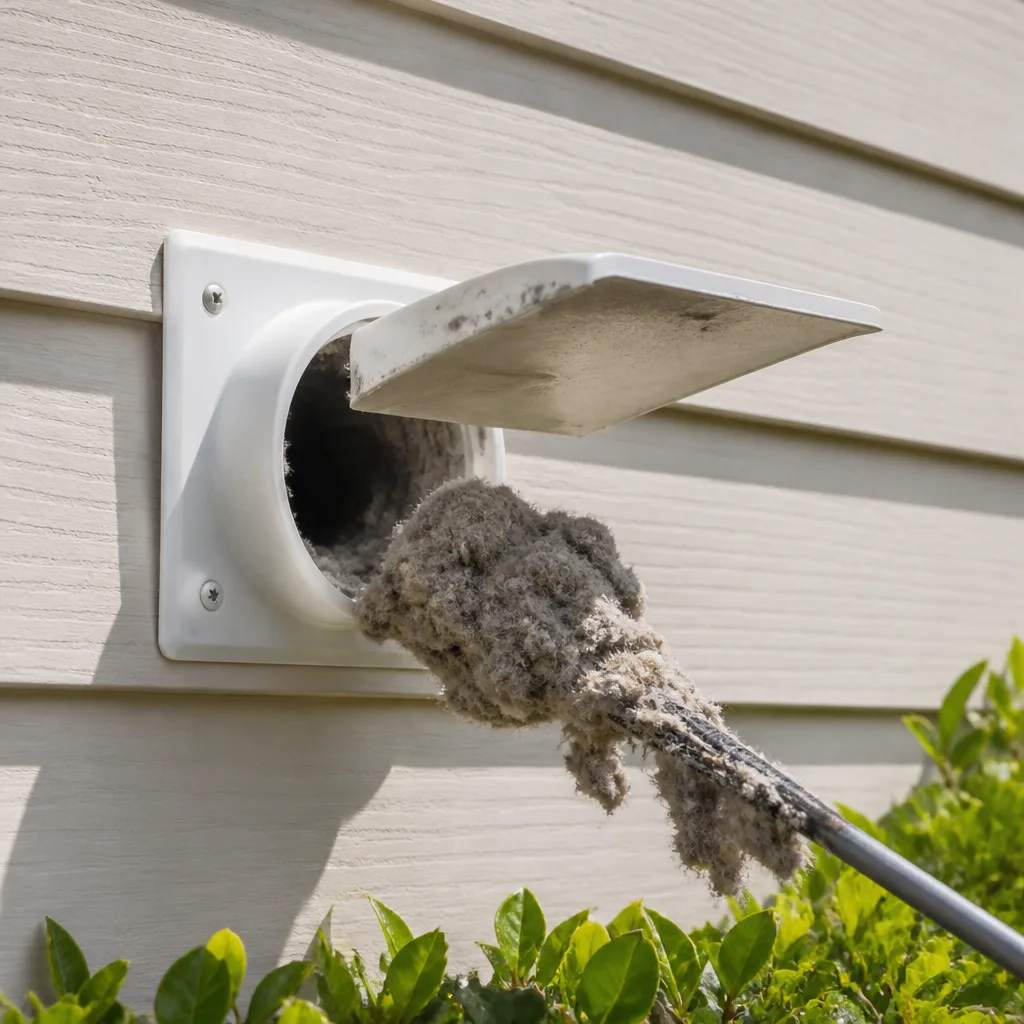 Dryer vent cleaning
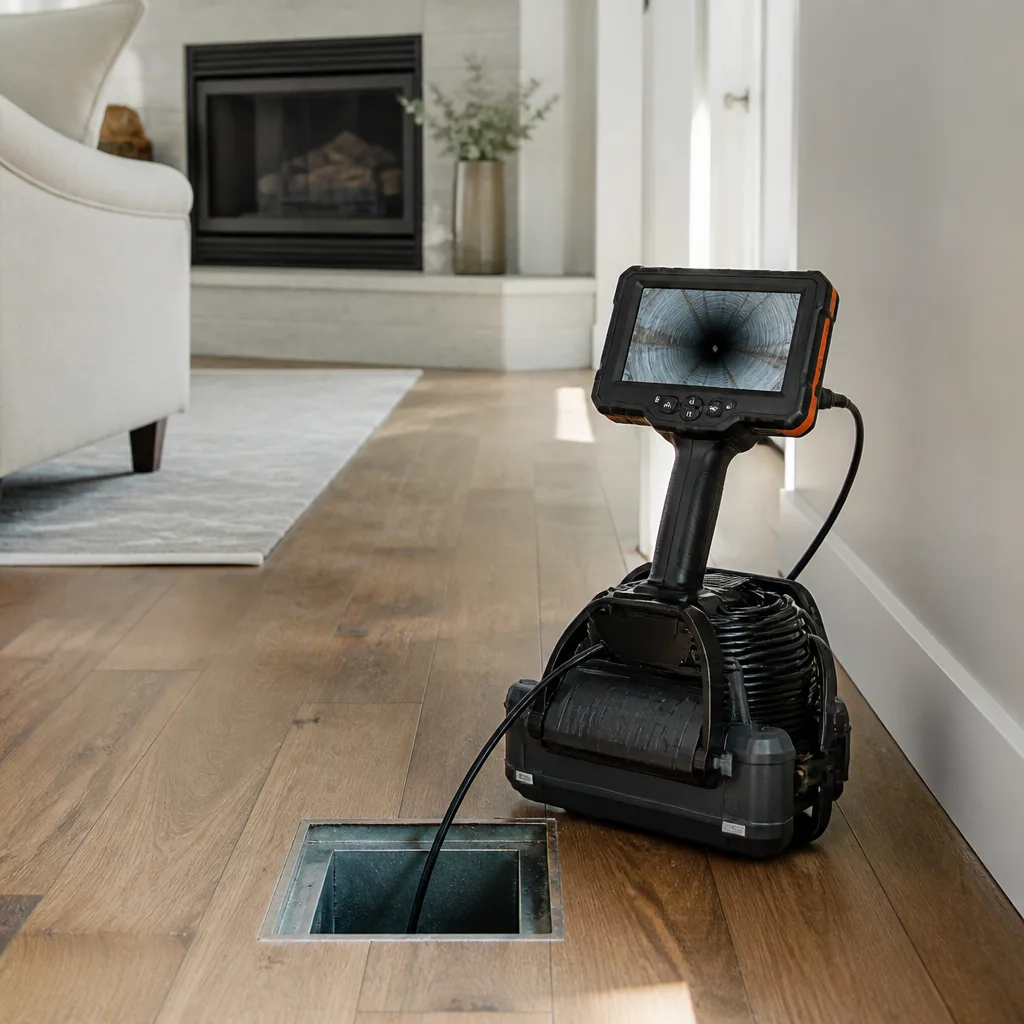 Camera inspection
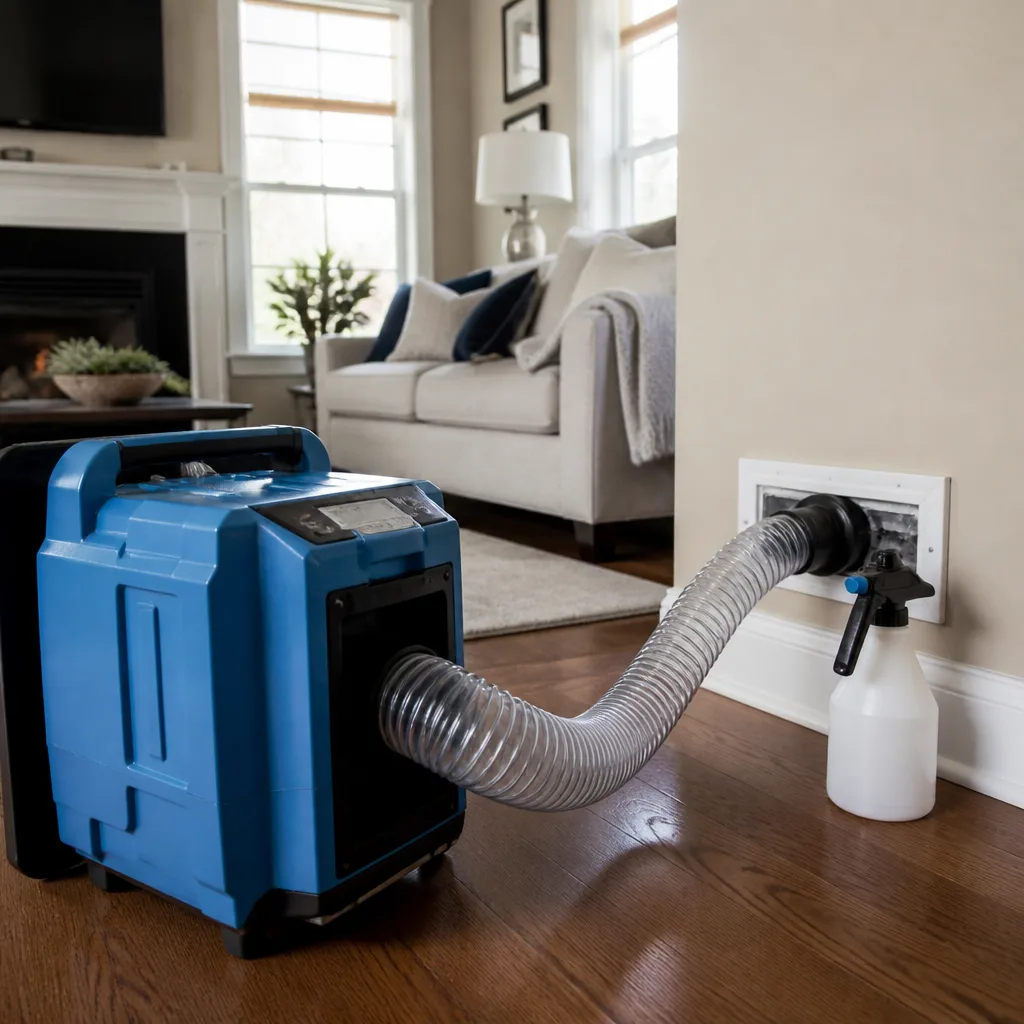 Sanitizing & deodorizing
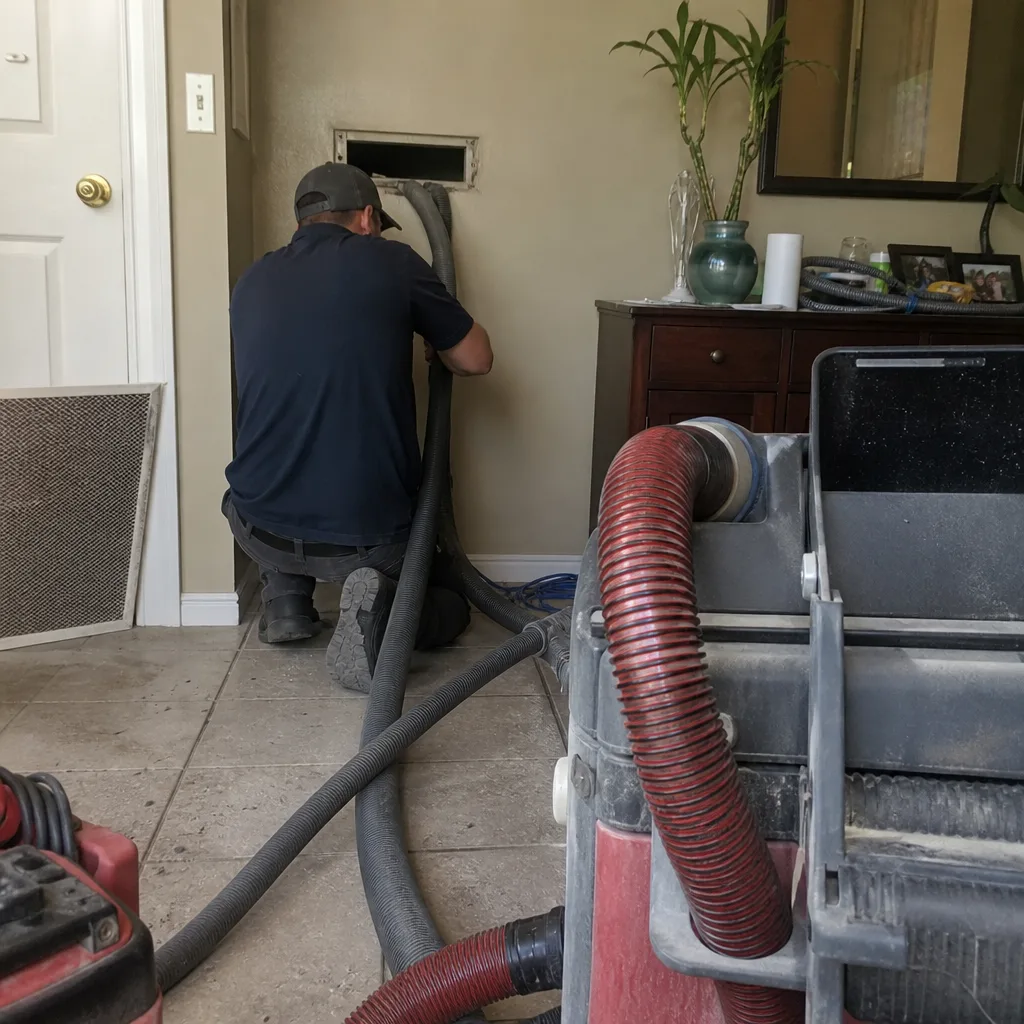
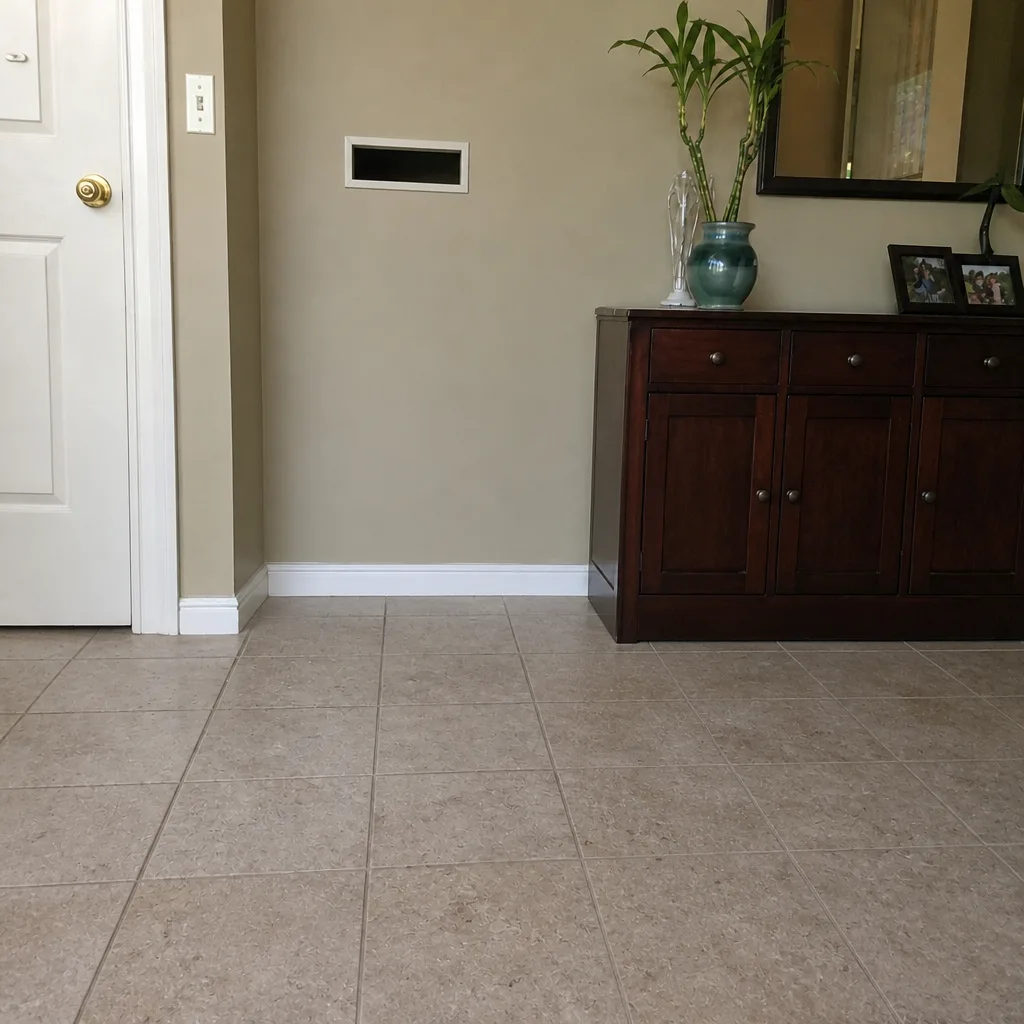
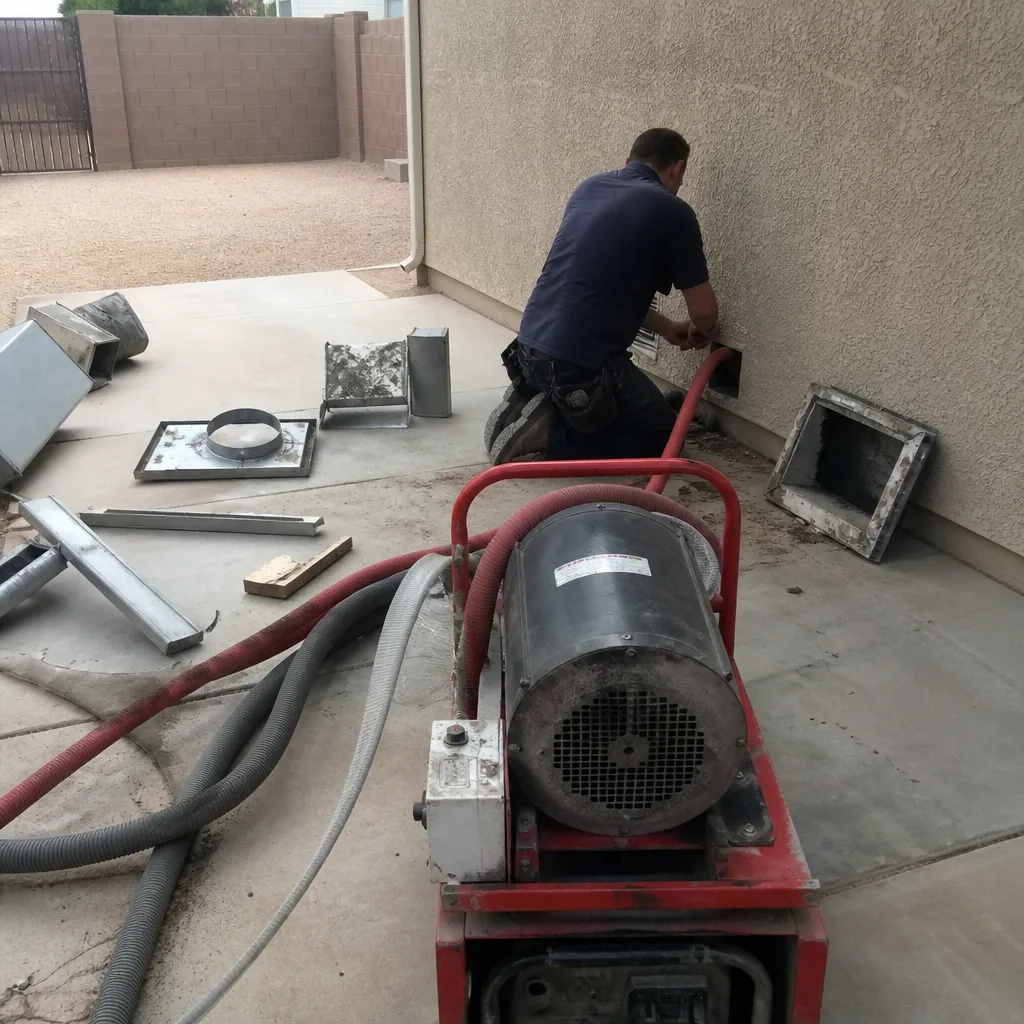
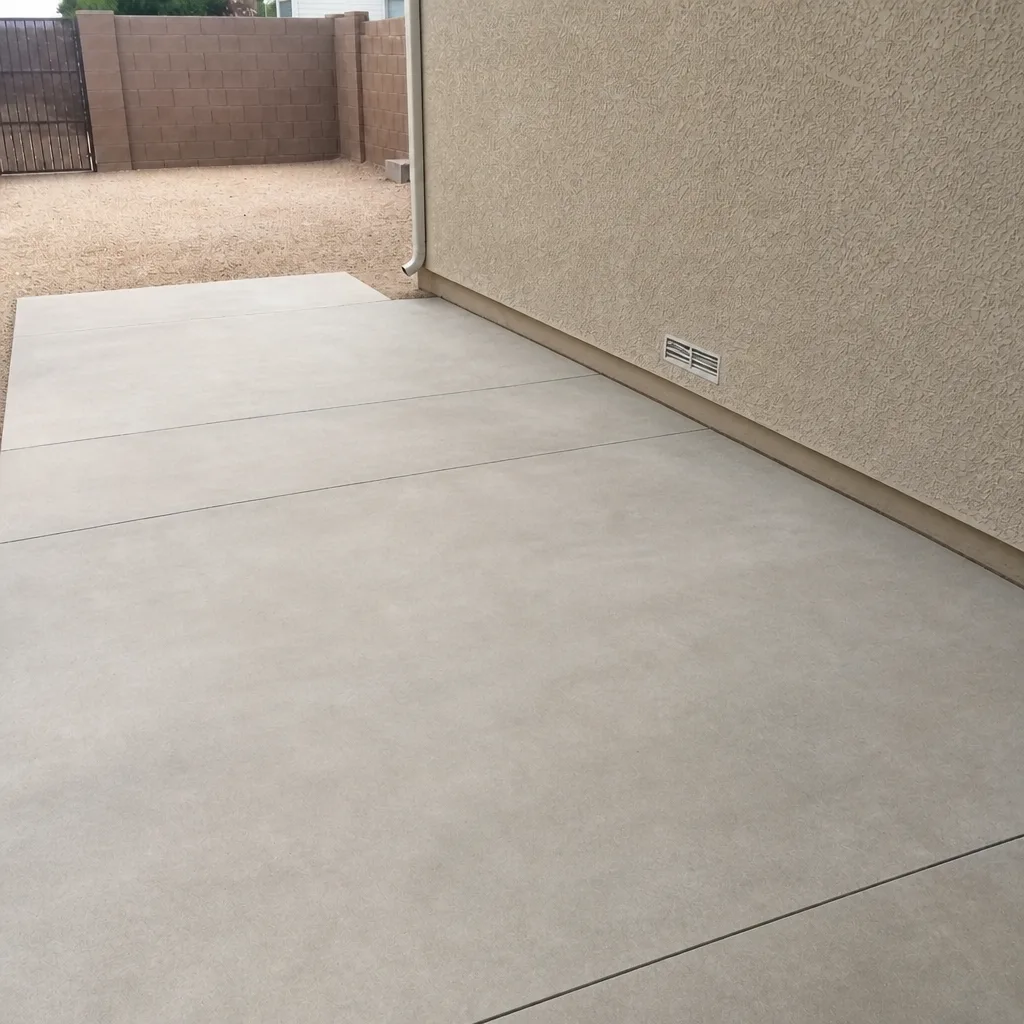
Whole-system duct and dryer vent check with before-and-after photos - you see exactly what came out of your vents
That "$99 whole-house special" is a bait ad - the real number appears once they are in your hallway, or the "clean" is a shop-vac at the register. We photograph the inside of your ducts before and after instead.
Air Duct Cleaning Permits, Codes & Inspections in Surprise, AZ: What You Need to Know
Here’s the part of the duct cleaning conversation almost nobody has with you. The cleaning itself doesn’t need a permit. But the repair that often gets discovered mid-job does. If a technician opens up your system, finds a disconnected trunk line or a crushed section of flex duct, and reconnects it without pulling a permit, you may now own an unpermitted HVAC modification. That detail tends to stay quiet until a buyer’s inspector finds it during a home sale in Maricopa County. In this guide, we’ll walk through exactly where the line sits between cleaning and legal modification in Surprise, what Arizona’s mechanical code expects, how the city handles HVAC-adjacent work, and how to protect yourself before anyone touches a duct connection. What you’ll learn is how to tell a legitimate repair process from a shortcut that costs you later.
Quick Answer
Air duct cleaning itself does not require a permit in Surprise or anywhere in Arizona. But repairing, reconnecting, modifying or replacing ductwork is mechanical work under the Arizona Mechanical Code, and that typically requires a permit and an inspection. If a contractor does repair work on your ducts, ask for proof of the permit and the inspection record before you pay.
Styles & brands we work with
- Whole-home duct cleaning
- Dryer vent cleaning
- Camera inspection
- Sanitizing & deodorizing
Table of Contents
- Where cleaning ends and permitted repair begins
- What the Arizona Mechanical Code actually says about duct work
- How Surprise’s building department handles HVAC-adjacent work
- What triggers an inspection requirement
- Why unpermitted duct work surfaces at resale in Maricopa County
- What to ask a contractor before any repair work starts
- What a legitimate permit process looks like for duct repair
- How Surprise’s climate and housing stock make duct damage common
Where Cleaning Ends and Permitted Repair Begins
The cleanest way to think about it: cleaning removes what’s inside the ducts. Repair changes the ducts themselves. One is maintenance. The other is mechanical modification. Only the second one touches code.
In practice, a professional cleaning job in Surprise routinely turns up conditions that cross that line. When we run a Rotobrush rotary brush through a system, the agitation reveals things a shop vac never would. Here’s what we typically find in homes around Surprise:
- Disconnected trunk lines. A main supply run has separated from the plenum or the boot feeding a room. Reconnecting it is a modification.
- Collapsed or crushed flex duct. Often in attic runs where heat and poor support have caused the inner liner to fail. Replacing a run is new ductwork.
- Failed mastic or tape at joints. Sealing a boot or joint changes the system’s sealed geometry, which is mechanical work.
- Modified returns. Sometimes a previous homeowner cut a new return without a permit, and it surfaces during cleaning.
- Torn duct board or damaged plenum connections. Repairing these is not cleaning. It’s reconstruction.
Reconnecting a disconnected trunk, replacing a failed run, or sealing boots and joints counts as repair and typically falls under mechanical code. Vacuuming debris out of an intact system does not. That’s the boundary, and it’s why we say the honest version of our job is “we clean it, and if it’s broken, we fix it” – which means we have to talk to you about permits before we touch the broken part. For a full explanation of what a proper air duct cleaning visit covers, that’s the baseline service. Anything that crosses into repair gets a separate conversation.
What the Arizona Mechanical Code Actually Says About Duct Work
Arizona adopts the International Mechanical Code through the state’s administrative code, and local jurisdictions like Surprise enforce it. The code treats duct systems as part of the mechanical system, which means installation, alteration and repair fall under its scope. Two provisions matter most to homeowners:
- Duct systems must be sealed and supported. The code requires ducts to be securely fastened, properly supported, and sealed at joints and connections. A disconnected trunk line isn’t just an efficiency problem – it’s a code deficiency.
- Alterations require permits. When a contractor alters, replaces or extends ductwork, that work falls under mechanical permitting. This is where the line between cleaning and repair is drawn. It’s not about whether the original ducts were permitted when the home was built – it’s about what’s being done now.
Here’s what surprises homeowners the most. A duct cleaner who shows up with a shop vac, finds a disconnected run, and tapes it back together “while they’re in there” has done unpermitted mechanical work. It might hold for a season. It might fail the next time someone looks at it properly. Either way, there’s no inspection record, no documentation, and no paper trail. When you go to sell a home in Surprise, none of that will show up as permitted work because it wasn’t permitted.
We’re not lawyers, and this guide isn’t legal advice. If you’re uncertain about a specific situation, call the City of Surprise building department directly. They’ll tell you what triggers a permit faster than anyone else can.
How Surprise’s Building Department Handles HVAC-Aware Work
Surprise’s building department operates like most Maricopa County jurisdictions. Permit applications for mechanical work go through a review, and inspections happen at defined points. What you need to know as a homeowner:
- You or your contractor can pull the permit. In most cases, the licensed contractor pulls it. If someone offers to have you pull it as the homeowner, that’s a signal to ask questions.
- Mechanical permits require a licensed contractor. Duct repair work falls under mechanical or HVAC licensing in Arizona. A cleaning-only company that isn’t licensed for mechanical work shouldn’t be doing repair.
- Inspection is required before the work is signed off. The inspector verifies the connections, sealing and support. That’s the part that ends up on your property record.
- Unpermitted work discovered later becomes a code enforcement or disclosure issue. When a buyer’s inspector flags it, the seller typically has to correct it before closing or negotiate a credit.
If you’re in a Surprise neighborhood like Rancho Gabriela or Marley Park and you’re shopping for duct work, this is exactly where a legitimate operator separates themselves from a cheap one. Legitimate contractors will happily tell you what’s permitted and what isn’t before they start. Anyone who waves off the question is telling you something.
What Triggers an Inspection Requirement
Not every duct job triggers an inspection. Here’s a plain list of what typically does, and what typically doesn’t.
Likely triggers an inspection or permit:
- Replacing a run of ductwork, even a single flex run
- Reconnecting a disconnected trunk line or plenum
- Extending the system to serve a new room or addition
- Adding or relocating a return air duct
- Sealing boots or joints as a mechanical alteration rather than routine maintenance
- Repairing damaged duct board or rebuilding a plenum connection
Typically does not trigger a permit:
- Cleaning the interior of intact ductwork
- Replacing a filter or upgrading a filter cabinet with compatible filtration
- Routine maintenance that doesn’t alter the duct system geometry
- Dryer vent cleaning and clearing
The gray area is where contractors get sloppy. A boot that needs “just a little mastic” today and a proper repair next season is the kind of thing that should be disclosed upfront. Ask specifically: is any repair work in scope today, and if so, is it permitted work?
Why Unpermitted Duct Work Surfaces at Resale in Maricopa County
Arizona’s seller disclosure requirements and the standard resale process mean unpermitted work tends to come out of hiding at the worst possible time: during the buyer’s inspection period. Home inspectors in Maricopa County routinely put eyes on attic ductwork, plenum connections and supply boots because they’re a common source of energy loss and comfort complaints. What they see shows up in a written report.
When unpermitted mechanical work is flagged, the usual outcomes are:
- The seller hires a licensed contractor to correct it and pull a proper permit, which pushes closing back by weeks
- The buyer negotiates a credit or price reduction to cover the correction
- The deal falls through if the buyer’s lender or insurer objects
None of those outcomes are catastrophic. All of them are avoidable by asking one question before any repair work starts: will this job require a permit? The answer isn’t hard to give, and it’s part of running an honest operation. In Surprise and across the West Valley, the homes most likely to have this problem are the ones that have been through several owners, additions or system replacements without recorded permits.
What to Ask a Contractor Before Any Repair Work Starts
You don’t need to know the mechanical code to protect yourself. You need to ask the right questions and be ready to walk if the answers are fuzzy. Here’s what to ask, in order:
- “Is any repair work in scope today – disconnected runs, crushed duct, joint sealing?” Get a specific answer before the job begins.
- “If repair is needed, will you pull a permit?” A licensed mechanical contractor will say yes without hesitation. A cleaning-only operation will dodge the question.
- “Can I see the permit documentation and inspection record once it’s done?” If they can’t give you that, the work is unpermitted.
- “Are you licensed for mechanical work, or only for cleaning?” These are different scopes. Cleaning doesn’t require a mechanical license. Repair does.
- “What does the written estimate cover, and will it change once you’re on site?” A fair contractor gives you one flat price for the job agreed before work starts.
- “Can I see before-and-after photos of my own ducts?” This is how you know the work actually got done.
In our experience, the contractors who fall apart on these questions are the ones most likely to shortcut the work itself. Getting clear answers upfront costs you nothing and tells you more than any coupon.
What a Legitimate Permit Process Looks Like for Duct Repair
If the work in scope requires a permit, here’s the sequence a legitimate contractor runs through. This is roughly what you should expect to see in Surprise and across the West Valley:
- Inspection and diagnosis first. A licensed contractor inspects the system – not just the ducts, but the plenum, boots, returns and connection points – and writes down exactly what’s failed.
- Written scope of work. You get a document listing what will be repaired, how, and the price. One flat price for the job, agreed before work starts.
- Permit application. The contractor applies to the City of Surprise for the mechanical permit. You should see the permit number and a copy of the application.
- The work is done to code. Duct connections are sealed and supported per code. The contractor should be able to tell you what standard applies.
- Inspection. The city inspector reviews the work. The inspection is signed off and recorded.
- Documentation delivered to you. You receive copies of the permit and inspection record. Keep these with your home records.
A legitimate operation won’t hide any of this from you. If you’re in one of the newer Surprise communities off the Loop 303 or out near Asante, ask your contractor to confirm how the process works in this specific jurisdiction. It’s a fair question and any honest operator will welcome it.
How Surprise’s Climate and Housing Stock Make Duct Damage Common
Duct condition and code enforcement intersect more often in Surprise than they might in a milder climate. Three local factors drive that:
Extreme summer heat. Attic temperatures in a Surprise summer routinely push flex duct and duct board to their limits. The inner liner on flex duct can degrade, mastic can fail at joints, and connections in a hot attic are under constant thermal stress. When those connections fail, reconnecting them is repair, not cleaning.
Rapid new construction. Surprise grew quickly through the 2000s and 2010s. Homes built in that window are now 15 to 20 years old – the age where attic duct systems need real attention. Some of that original work was rushed. Some systems have been modified by later owners without permits. When you have Surprise duct work inspected today, you may be looking at a chain of modifications that were never documented.
Common attic installations. Almost every home here runs its ductwork through the attic rather than a basement (no basements in this part of Arizona). Attic runs get hot, flex duct sags, and boots can pull away from the ceiling. That’s the physical reality of how systems age here.
None of these conditions require a permit to clean. All of them increase the odds that repair will be needed – and that’s exactly when the permit question comes up. For anyone dealing with the lint and heat problem in the laundry specifically, dryer vent cleaning is a separate service with its own safety stakes and no permit requirement.
Common Mistakes to Avoid
- Letting a cleaner tape up a disconnected run without asking about permits. It solves the immediate problem and creates a documentation problem. Ask first, then decide.
- Assuming the original install was permitted. Many Surprise homes built in the 2000s were permitted correctly, but later modifications by previous owners often weren’t. Assume nothing until you’ve looked.
- Accepting a per-vent price that turns into a repair charge once they’re on site. This industry’s bait-and-switch reputation exists for a reason. Insist on one flat price for the job agreed before work starts.
- Not asking for before-and-after photos of your own ducts. You can’t see inside the ducts yourself. Photos of your own system are the only way to know the work was done.
- Hiring a cleaning-only company for a repair job. Cleaning and mechanical repair are different licensed scopes. If the system needs repair, you need a mechanical contractor.
- Skipping the permit record for a small repair. It’s tempting on a $300 job, but unpermitted repair surfaces at resale, and the correction cost at that point is always higher.
- Dismissing a flagged disconnect as a “small leak.” A disconnected trunk line can dump conditioned air into an attic for years. It’s not a small repair, and it’s not a small efficiency loss.
See the difference
 Before
 After
 Before
 After
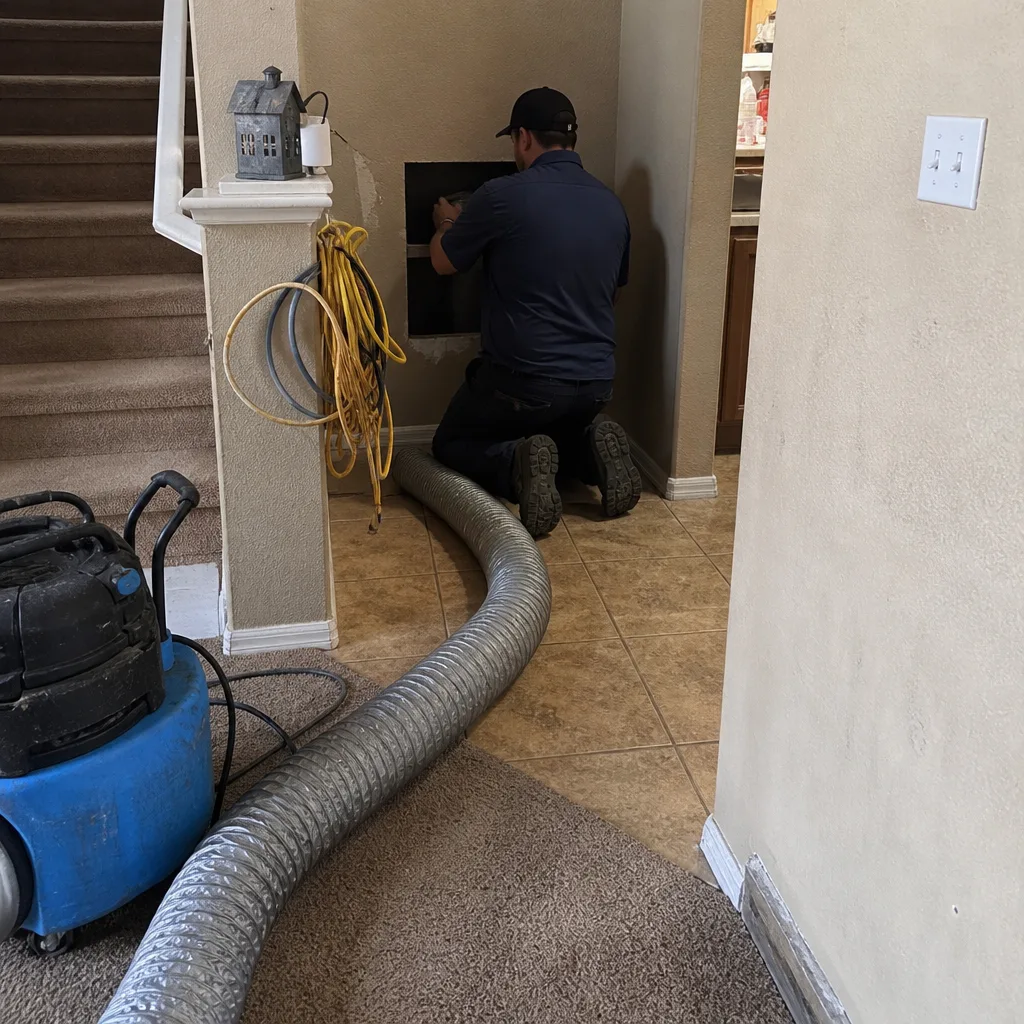 Before
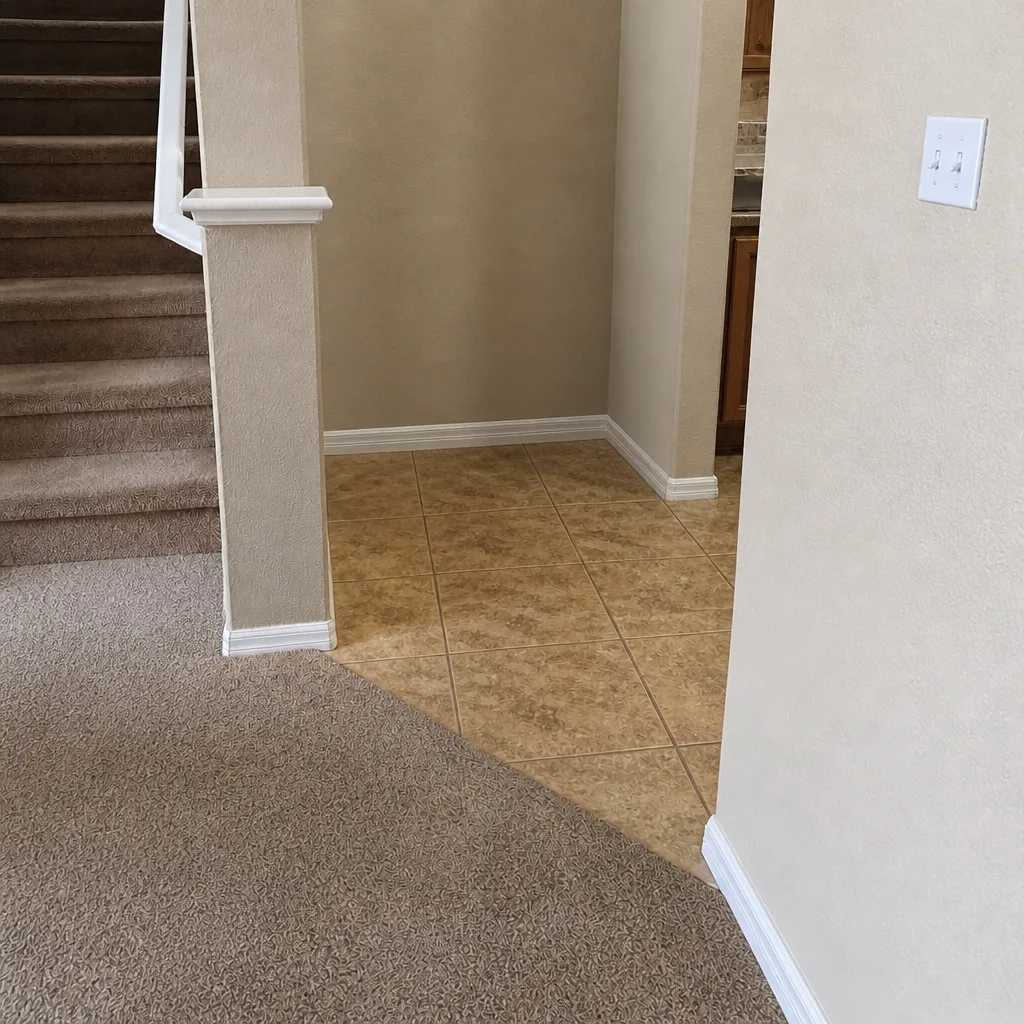 After
When to Call a Professional
Some conditions tell you clearly that this isn’t a maintenance issue anymore. Call a professional if a home inspection or energy audit flagged disconnected or damaged ductwork, if rooms in your Surprise home are consistently hotter or colder than the rest of the house, if you’ve recently completed a renovation and construction dust went through the system, or if you’re preparing to sell and want the ductwork clean, documented and up to code. Call us too if you’ve just bought a home and don’t have a record of when the ducts were last serviced and what if any modifications were made. Duct Cleaning Surprise offers free estimates in Surprise and around the West Valley. Call (866) 942-6251 to book an inspection. We answer 24/7. Fast dispatch from 7am to 7pm, Sunday through Friday. If the job is cleaning, we clean. If the job needs repair, we’ll tell you what’s required – including whether a permit is part of the process – before any work starts.
Frequently Asked Questions
No. Cleaning the interior of intact ductwork doesn’t require a permit anywhere in Arizona, including Surprise. But if the cleaning reveals damage – a disconnected trunk, crushed flex duct, or a joint that needs sealing – and the contractor repairs it, that repair is typically mechanical work and requires a permit and inspection. Ask before any repair work starts.
Cleaning removes debris from an intact system. Repair changes the system itself – reconnecting, replacing, extending or sealing ductwork. The Arizona Mechanical Code treats duct repairs as mechanical work subject to permit and inspection. The simplest test: if the shape, length or connection pattern of the ducts changes, it’s repair.
Yes. A buyer’s home inspector will commonly flag attic duct work that looks altered, and unpermitted modifications often show up because there’s no inspection record on file with the city. In many cases this means the seller has to correct the work and pull a proper permit before closing, or negotiate a credit. The cleanest way to avoid this is to have the permit pulled at the time of repair.
Ask directly. Cleaning-only companies are typically not licensed for mechanical repair. A legitimate mechanical contractor will confirm their license scope and can tell you whether the work will require a permit. If they dodge the question or say permits aren’t needed for repair work, call someone else.
Get two separate conversations scheduled: one for cleaning, one for repair. Cleaning can be done by a professional duct cleaning company. Repair should be done by a licensed mechanical contractor who will pull the permit. Both can happen on the same visit, but they should be described and priced separately, so you know exactly what’s permitted and what isn’t.
Ask for before-and-after photos of your own ducts. A contractor using contractor-grade equipment like Rotobrush agitation and Nikro HEPA vacuums can capture visual proof of what came out and what the ducts look like after. On permitted repair work, you should also receive copies of the permit and inspection record. If you can’t get both, the job isn’t finished.
The Bottom Line
Cleaning doesn’t need a permit in Surprise. Repair almost always does. That distinction matters because most duct cleaning jobs turn up something that needs repair eventually. Before any contractor starts work, ask what’s in scope, whether a permit is required, and whether you’ll get the documentation. Legitimate contractors welcome the question because it’s a fair one. Duct Cleaning Surprise will always tell you what a job requires upfront – cleaning, repair, or both – and we’ll never surprise you with a repair charge once we’re on site. One flat price per system, agreed before work starts, with before-and-after photos of your own ducts. Call (866) 942-6251 for a free estimate. We answer 24/7. Fast dispatch from 7am to 7pm, Sunday through Friday. For everything else related to your home’s air, start with Duct Cleaning Surprise.
Written by the team at Duct Cleaning Surprise.