
Last updated November 15, 2026
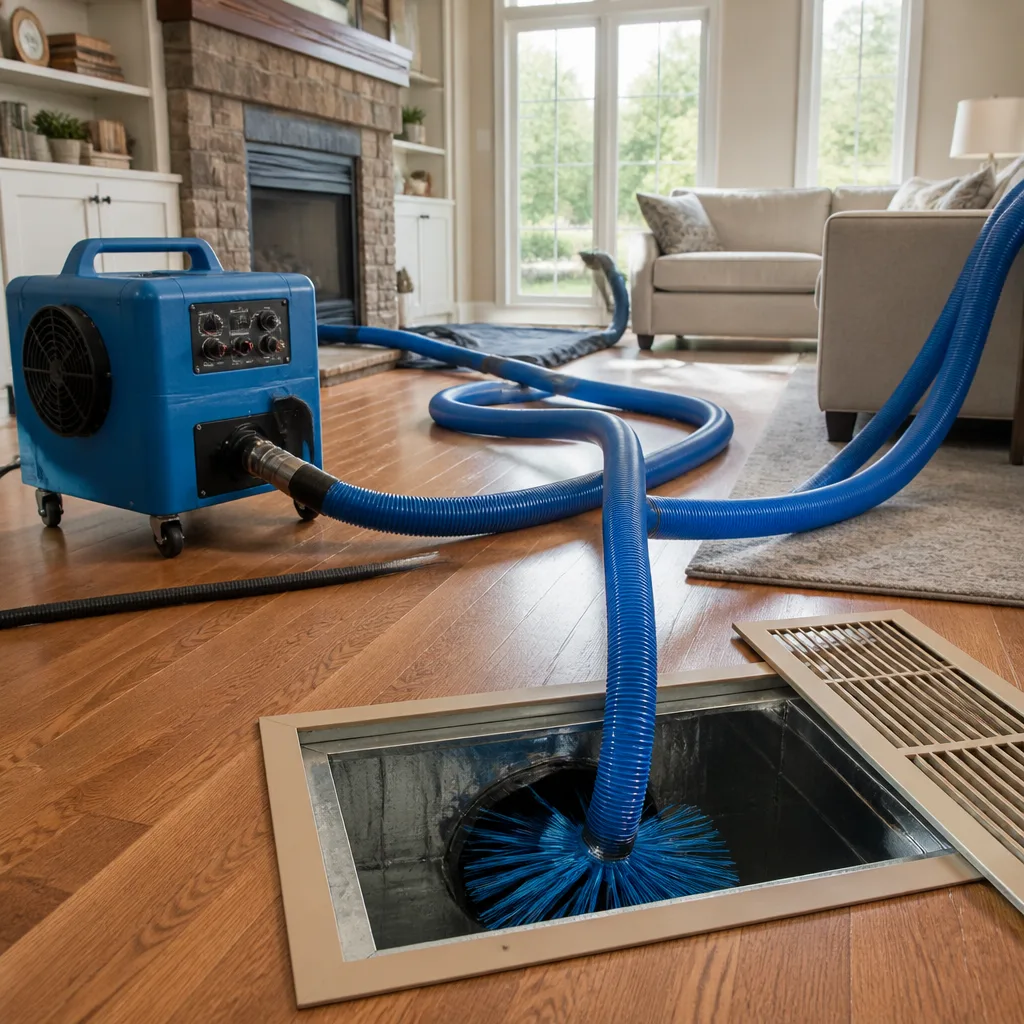 Whole-home duct cleaning
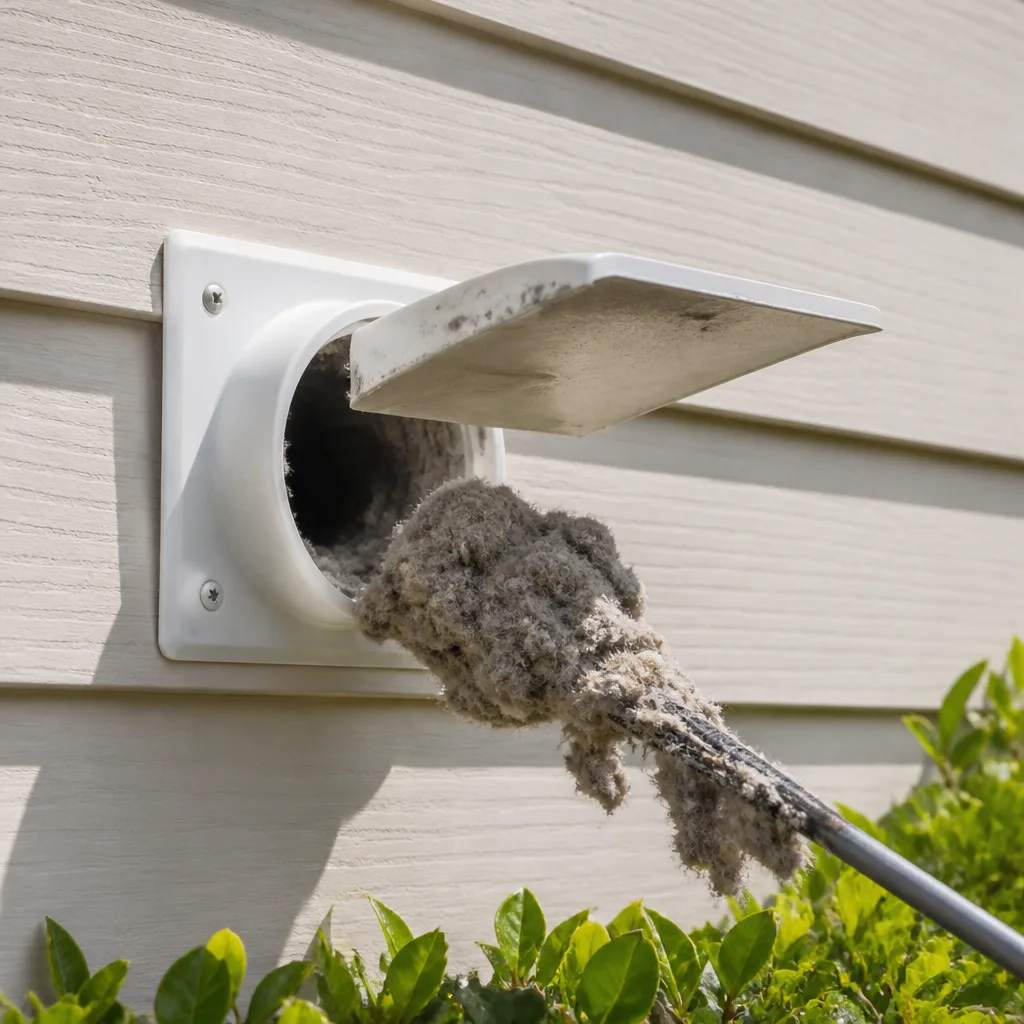 Dryer vent cleaning
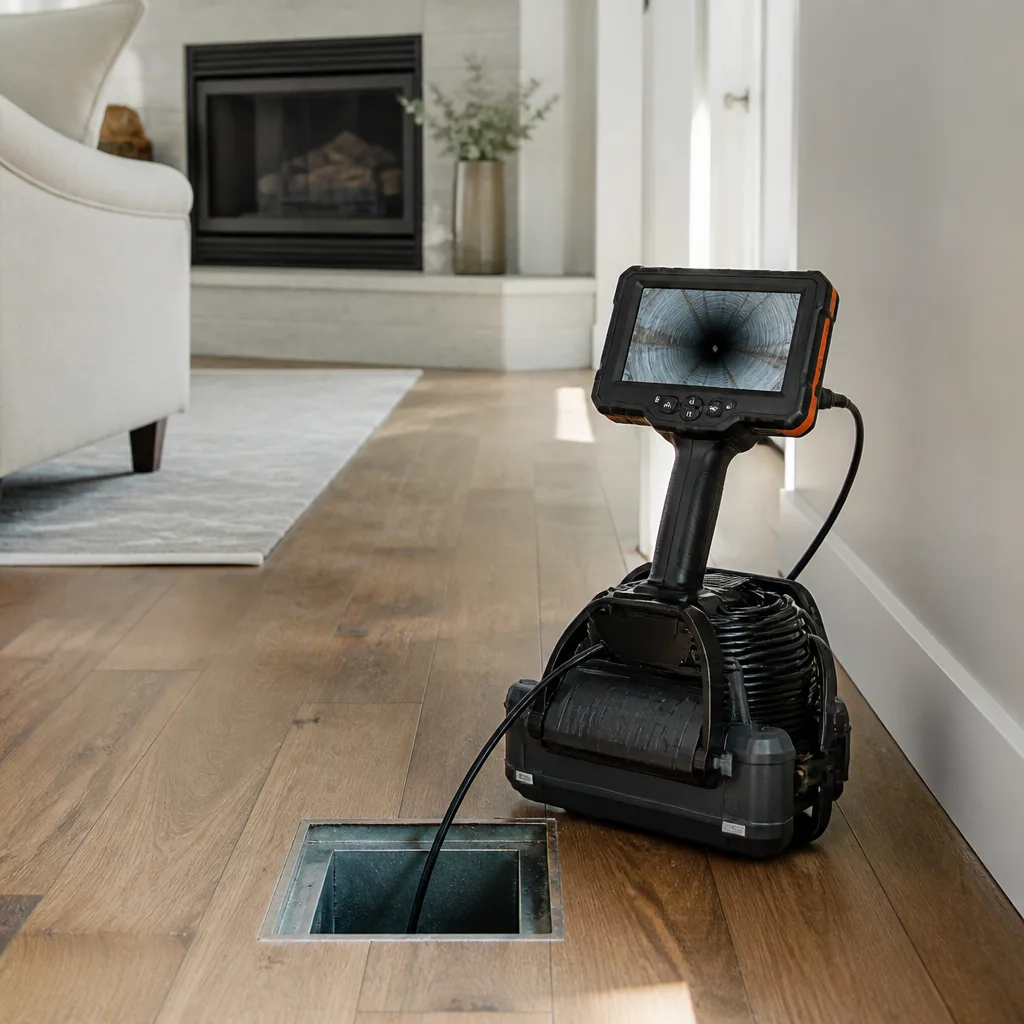 Camera inspection
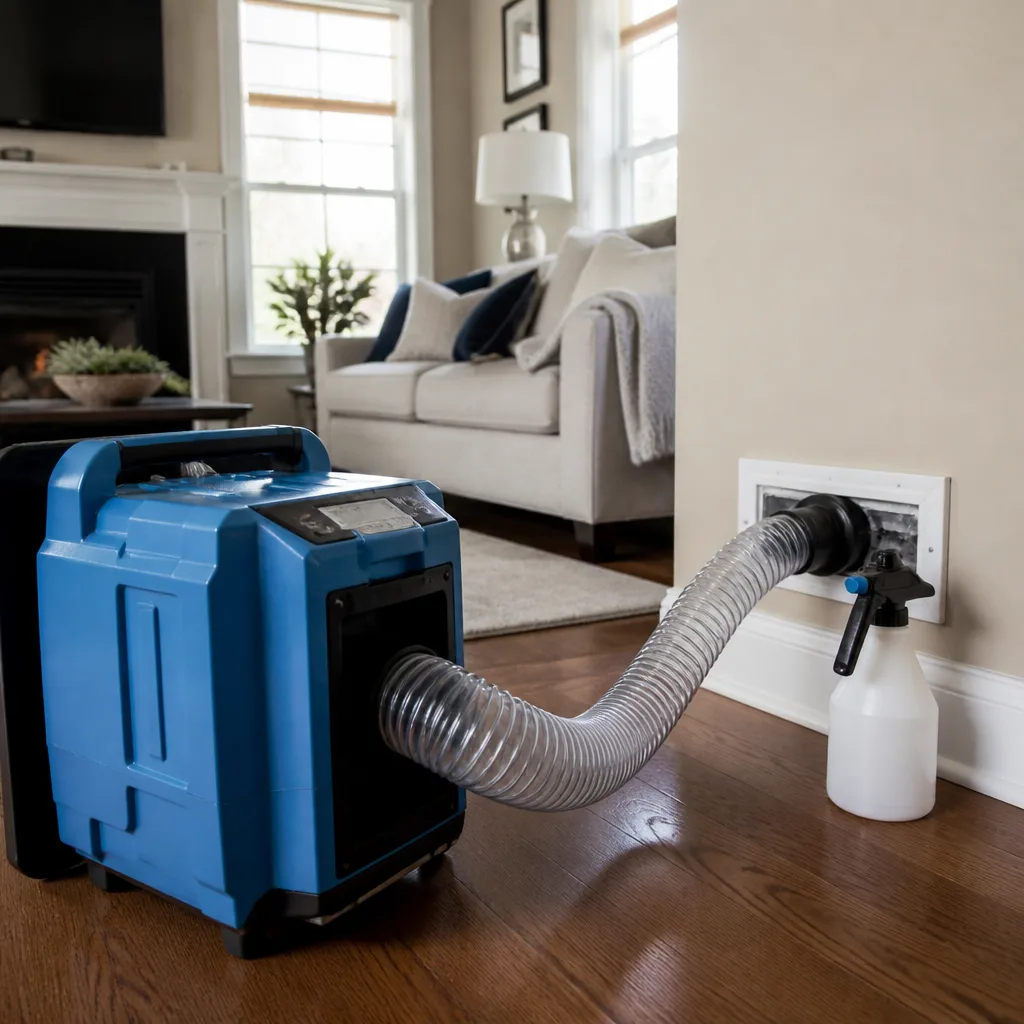 Sanitizing & deodorizing
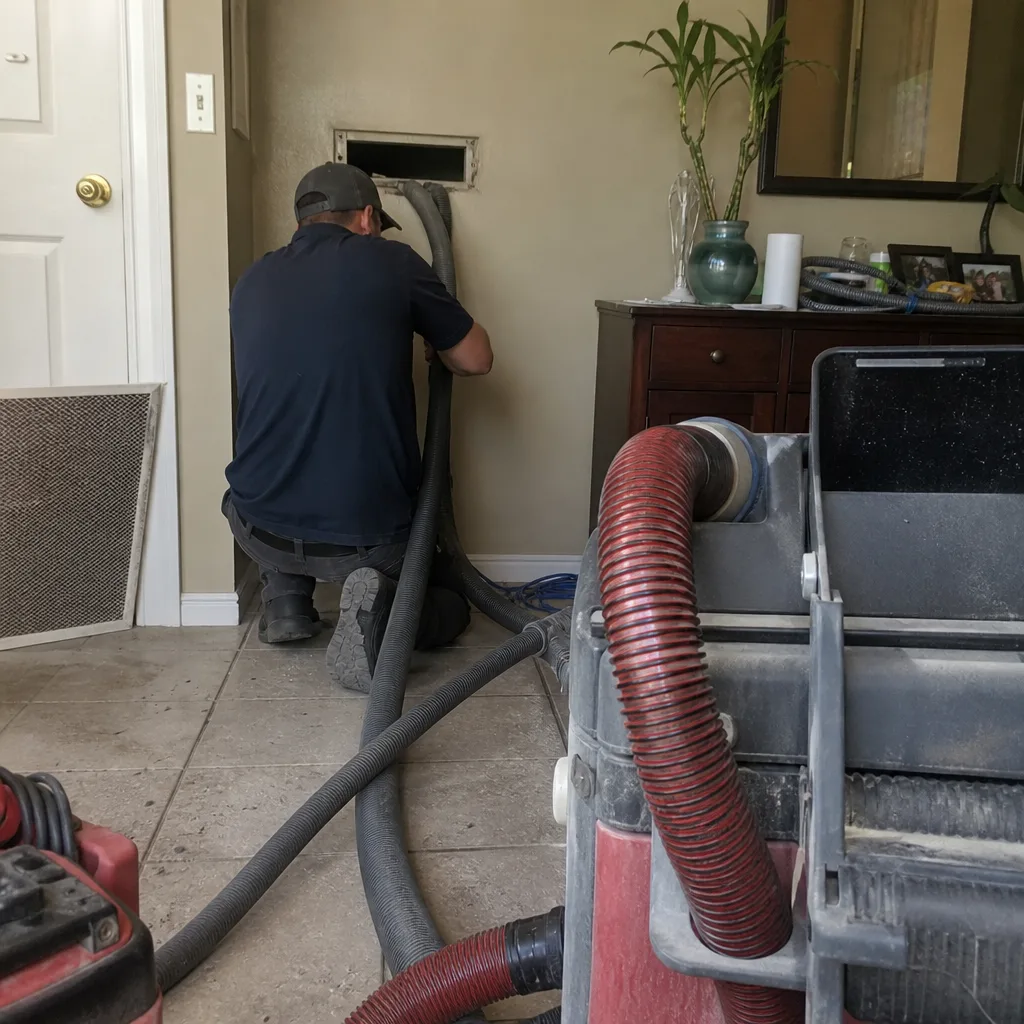
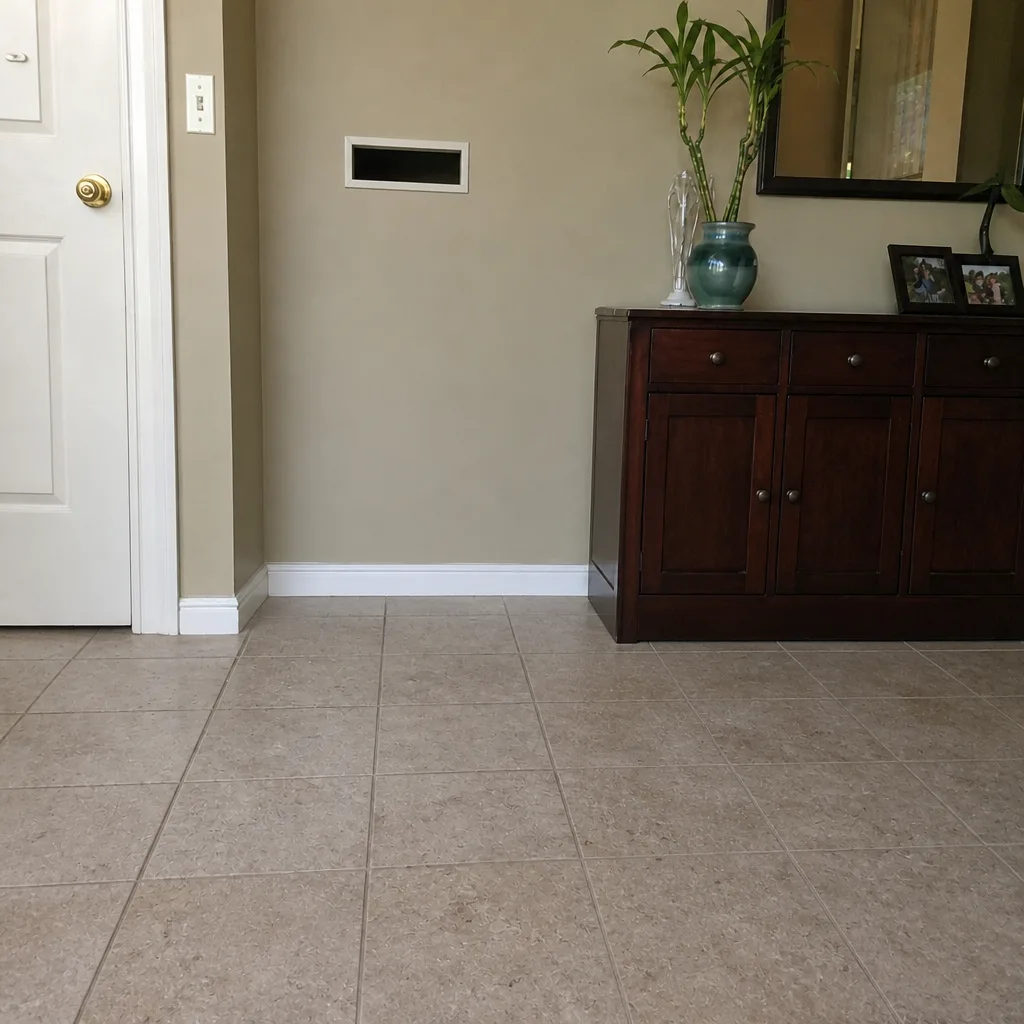
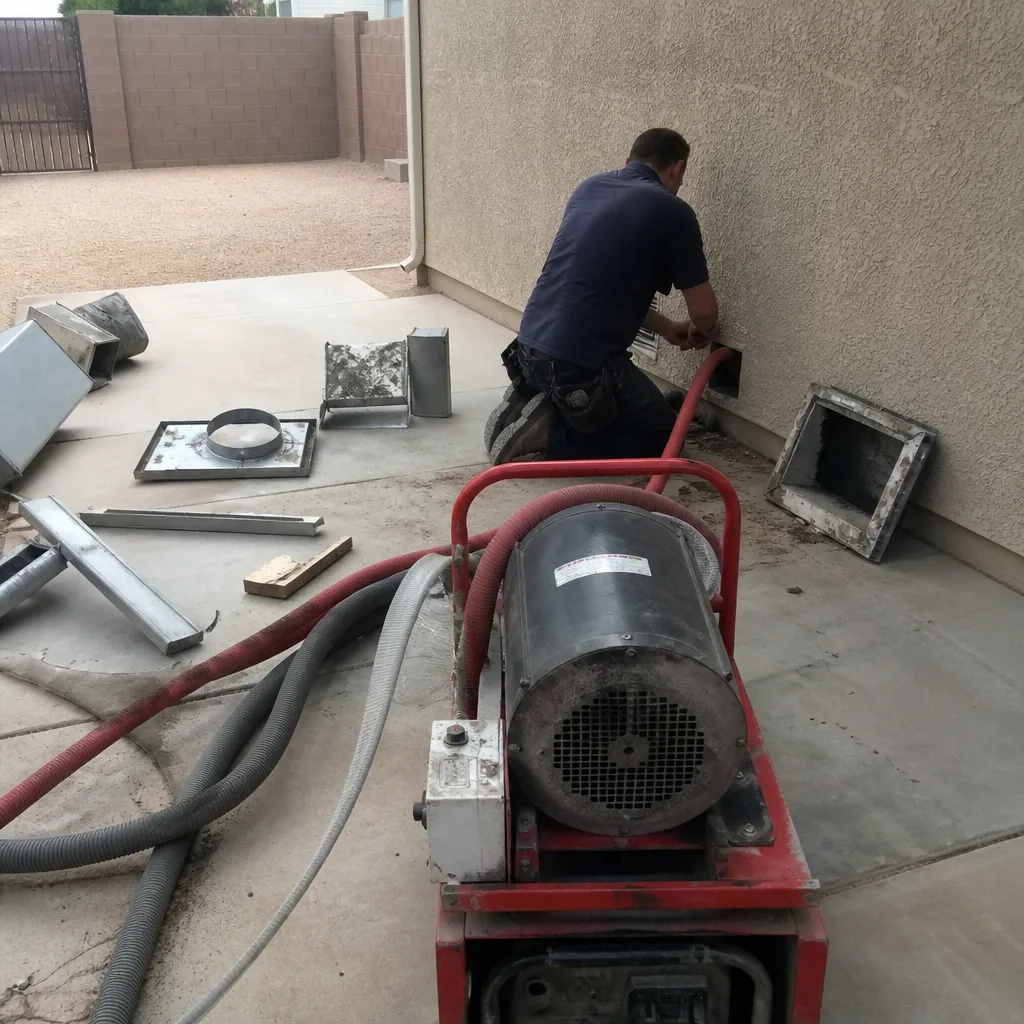
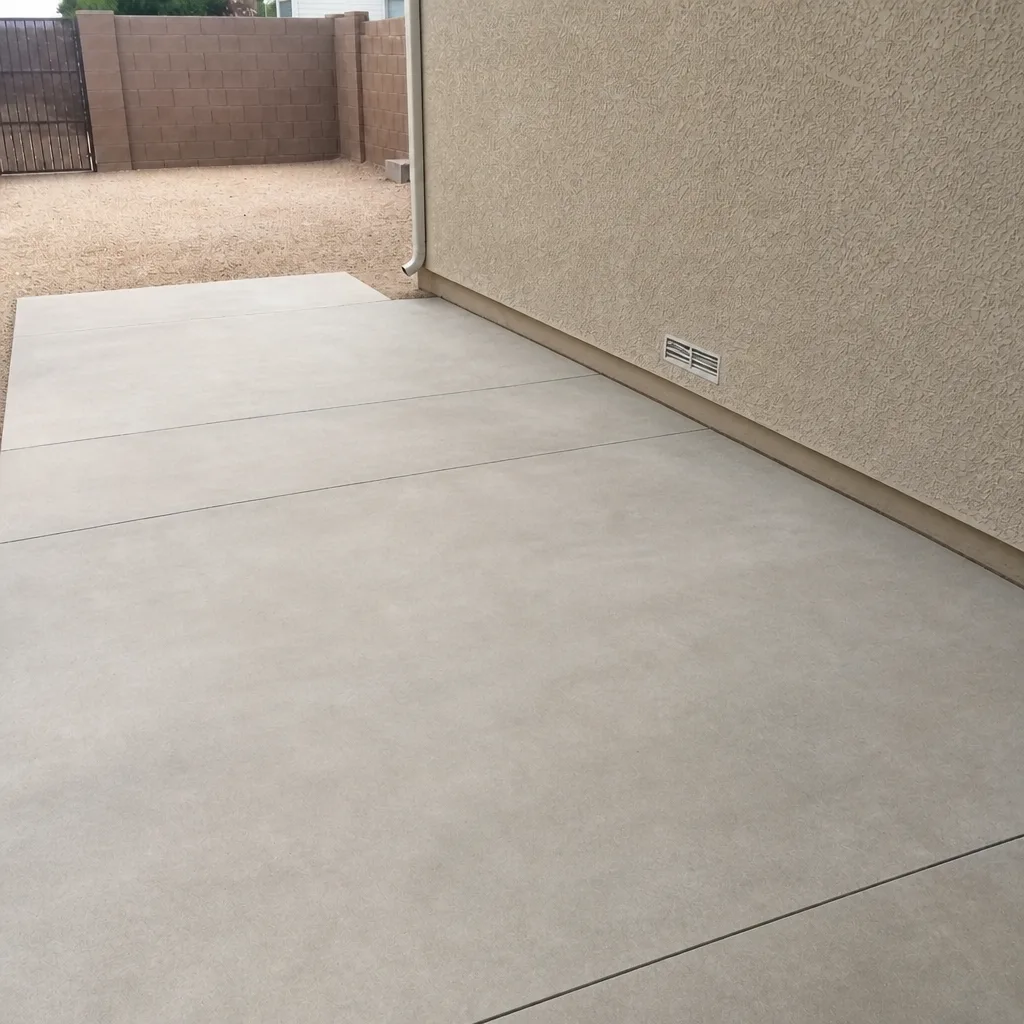
Whole-system duct and dryer vent check with before-and-after photos - you see exactly what came out of your vents
That "$99 whole-house special" is a bait ad - the real number appears once they are in your hallway, or the "clean" is a shop-vac at the register. We photograph the inside of your ducts before and after instead.
Air Duct Cleaning Troubleshooting in Surprise: Common Problems and How to Fix Them
If one room in your house is always a few degrees off from the rest, your thermostat probably isn’t the problem. Your duct system is telling you exactly where it’s failing. Most homeowners in Surprise blame the air conditioner for weak airflow, warm rooms, and climbing energy bills, but a surprising share of those complaints trace back to the ducts themselves: leaks, crushed flex runs, disconnected trunk lines, or a build-up of desert dust and construction debris that no filter was ever meant to catch. This guide is built to help you read those symptoms before you call anyone. You’ll learn which problems are diagnosable from the symptoms alone, what each type of debris in your ducts actually signals, and when a standard cleaning won’t fix what’s broken.
Quick Answer
Air duct problems in Surprise usually fall into one of four categories: dirty ducts full of desert dust and construction particulate, air leaks at joints and seams, physically damaged or disconnected flex duct, or a collapsed run that starves a room of airflow. Each one has a different fix. Cleaning solves the first, sealing and repair solve the rest, and no amount of vacuuming will correct a duct that’s crushed or disconnected. The way to tell them apart is to match your symptoms to the cause, which is what this guide walks through.
Styles & brands we work with
- Whole-home duct cleaning
- Dryer vent cleaning
- Camera inspection
- Sanitizing & deodorizing
Table of Contents
- How do you match duct symptoms to the right cause?
- Why is my airflow weak in some rooms and strong in others?
- How do you spot duct leaks in a Surprise attic?
- What’s actually inside Surprise ducts, and what does it mean?
- When does cleaning alone not fix the problem?
- What can you safely check yourself, and what needs a professional?
- What are the signs you need duct repair, not just cleaning?
- How do you keep ducts working after the fix?
How do you match duct symptoms to the right cause?
The single most useful skill in duct troubleshooting is separating symptoms that look similar but have completely different causes. Weak airflow at one register isn’t the same as weak airflow everywhere. A dusty house isn’t the same as dirty ducts. Getting this mapping right saves you from paying for the wrong service, and in some cases from a cleaning that makes no measurable difference.
Here’s how the common symptoms line up against their likely causes:
- Weak airflow in one room, strong elsewhere: usually a crushed, kinked, or disconnected branch duct, or a damper that’s partly closed. The main system is fine; one run is starved.
- Weak airflow from every register: often clogged equipment, a dirty blower, a filter that’s overdue, or significant leakage across the whole system.
- Dust settling on surfaces soon after cleaning: a sign the ducts are loaded with fine particulate, or that leaks are pulling attic air into the system.
- Hot and cold rooms side by side: a balancing or duct-routing problem, not a cleaning problem.
- A musty or dry, dusty smell at the registers: debris build-up, rodent activity in the attic runs, or moisture where it shouldn’t be.
- Higher bills with no change in use: leakage or a restriction forcing the system to run longer.
In a place like Surprise, these symptoms take on a particular character because the cooling season runs long and hard. A leak that would be a minor nuisance in a milder climate costs real money here when the system runs for months. The pressures inside the ducts are also more constant, which means flex duct that wasn’t properly supported can sag and crush faster. If you want the broader service picture, our air duct cleaning page covers what a full-system visit involves, but read the symptom mapping first so you know what you actually need.
Why is my airflow weak in some rooms and strong in others?
Uneven airflow almost always means the problem is in one branch of the duct system, not the whole house. The main trunk and the air handler are doing their job; one run is not delivering. The fix depends on which of these you’re dealing with.
The four common causes of one-room airflow loss
- Crushed or kinked flex duct. Flexible duct is easy to install and easy to crush. If it’s pinched behind a joist, dropped over a sharp edge, or sagging under its own weight in a hot attic, it chokes the flow to that room. This is one of the most common findings in Surprise homes, especially in attic runs where support is inconsistent.
- Disconnected branch or trunk line. When a boot, collar, or takeoff pulls loose, the air goes into the attic instead of the room. The register feels weak, and the space above it gets hot.
- A partially closed or broken damper. Balancing dampers inside the ductwork can drift shut or fail. Sometimes the fix is as simple as opening one; sometimes the damper is stuck and needs replacement.
- Obstruction inside the run. Debris, insulation that fell into the duct during a remodel, or a foreign object can block a branch. This is where a camera inspection earns its keep.
Here’s the practical distinction: if you can reach the suspect run with a flashlight and see a kink or a loose collar, you’ve found your answer. If the duct disappears behind a ceiling or into a tight attic corner, you need a camera or a pressure check to confirm. Making that call before you pay for anything is the whole point. It’s the difference between guessing and repairing.
The other thing worth knowing is that weak airflow and dirty ducts are often confused. Dust build-up reduces airflow over time, but it rarely starves a single room while leaving the rest strong. If one room is the clear outlier, look for a mechanical fault first, then a cleaning. If you’re seeing the symptoms across the whole house, our guide to duct cleaning in Surprise explains how a full-system clean is built to address that side of the equation.
How do you spot duct leaks in a Surprise attic?
Duct leaks are the quiet ones. They don’t announce themselves like a crushed duct does. Instead they show up as higher bills, dusty rooms, and a system that never quite keeps up. In Surprise, the attic is the usual suspect, and the heat is the reason.
The ductwork in most local homes runs through the attic, where summer temperatures push the material to its limits. Over time, the sealants that hold joints together dry out and crack. Foil tape lifts at the edges. Mastic pulls away from the metal or flex collar. What was a tight seam becomes an open path for conditioned air to escape into the attic and for hot attic air to find its way in. That two-way exchange is why a leaky system feels dusty and runs long.
What to look for with a flashlight
- Tape that’s peeling or hanging. Foil tape that’s lost its grip is a clear sign of a failing seal.
- Cracked or lifted mastic. Look at the joints where duct sections meet; if the grey or white coating is cracked, air is moving through it.
- Dust streaks at seams. Air leaking out leaves a visible dust line at the joint. It’s one of the easiest tells.
- Collars that have pulled loose from the boot at the register or from the trunk line.
- Sagging runs where the duct has dropped and separated from its support.
What a flashlight can’t tell you is how much air you’re losing overall. A duct blaster test or a pressure reading gives you a number, and that number tells you whether sealing is worth the investment. A visual check finds the obvious failures; a test finds the less obvious ones. In our experience, homes in Surprise with visible tape failure almost always have more leakage than the eye can catch.
The repair itself is straightforward once the leaks are located: remove the failing tape and mastic, apply new mastic and mesh at the joints, re-secure collars, and support sagging runs properly. Duct sealing is a repair job, not a cleaning job, and it’s the kind of work most single-service cleaners don’t offer. If your diagnosis keeps pointing to leaks, that’s the conversation to have.
What’s actually inside Surprise ducts, and what does it mean?
The debris in a duct system is a diagnostic clue, not just something to vacuum away. What’s inside tells you something about how the ducts have been used, how tight they are, and whether something is getting in that shouldn’t be. Here in Surprise, three types show up over and over.
1. Construction dust
New builds and remodels leave behind a fine gypsum and drywall dust that settles into the ductwork long before the system is turned on. Much of it can stay there for years, circulating every time the air runs. If your home is relatively new, or you’ve had work done, this is the most likely resident in your ducts. It’s also the dust most likely to trigger allergy complaints, because it’s fine enough to stay airborne.
2. Desert particulate
The fine dust that blows through the Valley finds its way into homes through doors, windows, and the return side of the system. Over time it coats the inside of the ducts. By itself, this is normal. What matters is the volume: when the build-up is heavy enough to restrict flow or to keep re-depositing on surfaces after you clean, the source is usually a combination of ordinary dust and air leaks pulling unfiltered attic air into the system.
3. Rodent intrusion
This one is the most important signal. Droppings, nesting material, or chewed flex duct mean an animal has been inside the system, and that usually means there’s a breach somewhere: a disconnected run, a gap at a collar, or a compromised boot. Cleaning without fixing the breach just invites the problem back. When rodent activity is present, proper containment and negative-pressure protocol matter, which is exactly the kind of job that calls for equipment like Abatement Technologies containment and a Nikro HEPA vacuum to capture particles at the source rather than blowing them around the room.
If you’re seeing any of these three, the debris itself is the lesser issue. The question to answer is whether the system is tight. That’s the diagnostic step that decides whether you need a clean or a repair. Our Surprise service area page gives more local context on how we approach homes here.
When does cleaning alone not fix the problem?
Cleaning removes what’s in the ducts. It does not restore a duct that’s crushed, disconnected, or leaking. This is where a lot of homeowners get stuck paying for a service that doesn’t solve their actual complaint. The vacuum runs, the ducts look cleaner, and the room is still hot. Knowing when cleaning is the wrong tool is what separates a real fix from a cosmetic one.
Signs the problem is structural, not a cleanliness issue
- A single room is consistently starved of airflow while the rest of the house is fine. That’s a branch fault, not a dirt fault.
- Air is escaping into the attic. If the attic is hot and the rooms are struggling, leakage is likely the cause, and sealing is the fix.
- Flex duct is visibly kinked, crushed, or sagging. No amount of cleaning will un-crush it.
- A collar or connection has failed. The duct is no longer attached, so cleaning the line does nothing for delivery.
- Rodent damage has compromised the duct material. Chewed flex needs replacement, not just a vacuum.
When two or more of these are present, the right move is a repair-first approach: locate the fault, repair or replace the run, seal the joints, then clean. Doing it in that order means the system you clean is the system you’ll actually use. Doing it the other way round means you paid for a cleaning on a system that couldn’t deliver air in the first place.
This is the reason we handle both cleaning and repair. We clean it, and if it’s broken, we fix it. That combination is rare among single-service duct cleaners, and it’s why a diagnostic visit matters more than a cheap clean. You want the person on site to be able to tell you which service you actually need.
What can you safely check yourself, and what needs a professional?
A homeowner can do a lot of useful checking with a flashlight and a bit of patience. What you can’t safely do is climb into a hot attic, open up sealed ductwork, or run a pressure test. Knowing where the line is protects you and saves time. Two rules up front: never open an electrical panel or touch wiring, and never crawl into an attic in extreme heat without the right setup. Those are jobs for a trained professional, full stop.
What you can check yourself
- Register airflow. Hold a tissue or your hand at each register and compare the pull. The weak ones are your suspects.
- Visible dust at the register and boot. A build-up right at the register points to debris in that run.
- The return grille and filter. A clogged filter or a dusty return is an easy first check and an easy first fix.
- Room-to-room temperature. A simple thermometer comparison tells you whether the problem is one room or the whole house.
- Accessible duct runs. If a run is visible through an open attic hatch or a closet, you can look for obvious kinks, peeling tape, or loose collars with a flashlight from a safe spot.
What needs a professional
- Anything behind a sealed ceiling or deep in the attic. A camera inspection is the only safe way to see it.
- Pressure testing or a duct blaster test. This requires equipment and a trained hand to read the results.
- Repair work on flex duct, collars, or trunk lines. Improper repair can make the leak worse.
- Any situation involving rodent activity or suspected contamination. This calls for proper containment and negative-pressure protocol, not a shop vac.
If you take one thing from this section, let it be this: a visual check tells you where to look, and a professional test tells you what’s actually wrong. Doing the first yourself makes the second one faster and more useful.
What are the signs you need duct repair, not just cleaning?
Duct repair is the part of this trade most homeowners don’t know to ask for. The signs are specific, and once you know them, they’re hard to miss. If any of these are present in your Surprise home, cleaning is at best half the job.
- You can see a kink or a crushed section of flex duct. That run needs to be replaced or re-supported.
- A collar or takeoff has pulled away from the trunk. Air is going into the attic, not the room.
- Tape and mastic have failed across multiple joints. The system needs resealing, not just a clean.
- Rodent damage is evident. Chewed duct material has to come out and be replaced.
- A room has never had good airflow since you moved in. That points to a routing or sizing issue that cleaning can’t fix.
- Dust returns quickly after a cleaning. Leaks are pulling particulate into the system.
Repair-first also makes the cleaning more effective. When the system is tight, the vacuum actually removes what’s there instead of fighting a moving target. Equipment choice matters here too: rotary brush systems like Rotobrush agitate the duct walls to loosen debris, and a HEPA-rated vacuum captures it, but that work is only meaningful on a system that’s sealed and sound. That’s why we look at the whole picture, from the duct to the dryer vent, and fix what’s broken before we finish the job.
If you’re unsure which side of the line you’re on, a free estimate is the fastest way to find out. Call (866) 942-6251 for an exact quote.
How do you keep ducts working after the fix?
Once a duct system is clean, sealed, and delivering air the way it should, the goal is to keep it that way. A few habits matter more in Surprise than most people realize, because the long cooling season and the desert dust put the system under steady load.
- Change the filter on a real schedule. Dusty conditions here mean more frequent changes than the filter box says. A clogged filter strains the blower and reduces flow.
- Watch the returns. A dusty return grille is an early signal that the system is pulling in more particulate than it should.
- Keep an eye on the attic. After a repair or sealing job, a quick look at the accessible runs a couple times a year catches new sagging or tape failure early.
- Don’t ignore a new musty smell. It’s often the first sign of moisture or intrusion, and it’s easier to fix early.
- Address dryer vent lint as part of the routine. A clogged dryer vent is a known fire risk, and it’s part of the same mechanical picture as your air ducts. Our dryer vent cleaning service handles that side of the system so the whole house breathes better.
- Consider filtration upgrades. If allergies or a new baby are part of why you’re looking at duct work, whole-home filtration products from Honeywell and Aprilaire are worth a conversation. Upgrading filtration only pays off on a tight, clean system, so it belongs at the end of the process, not the start.
The pattern is simple: fix the fault, clean the system, seal it, then maintain it. Homeowners who follow that order spend less over time and get rooms that actually stay even. Those who skip to the cleaning often end up paying for it twice.
Common Mistakes to Avoid
- Assuming weak airflow means dirty ducts. In a home where one room is starved and the rest are fine, the cause is usually a crushed or disconnected run, and a cleaning won’t fix it. Match the symptom to the cause before you book anything.
- Paying for a cleaning without a diagnosis. In Surprise’s hot attics, leaks and kinks are common, and a cleaning on a broken system delivers very little. Ask what was inspected before the vacuum comes out.
- Using a shop vac or a consumer-grade machine on a real duct system. A shop vac stirs up particulate instead of capturing it, and without proper containment it can spread what was inside the ducts into the room. Contractor-grade equipment like Rotobrush and Nikro HEPA systems exists for a reason.
- Sealing over a problem instead of fixing it. Tape over a crushed run doesn’t restore flow. Repair the fault first, then seal the joints.
- Ignoring rodent signs. Droppings or chewed flex are a sign of a breach. Cleaning without addressing the entry point just repeats the cycle.
- Skipping the dryer vent. Many homeowners treat it as a separate chore. It’s part of the same system and one of the leading household fire risks in any home.
- Chasing a cheap coupon price. A very low headline number usually becomes a larger invoice once the technician is on site. Ask for a flat price per system, agreed before work starts, with before-and-after photos of your own ducts.
See the difference
 Before
 After
 Before
 After
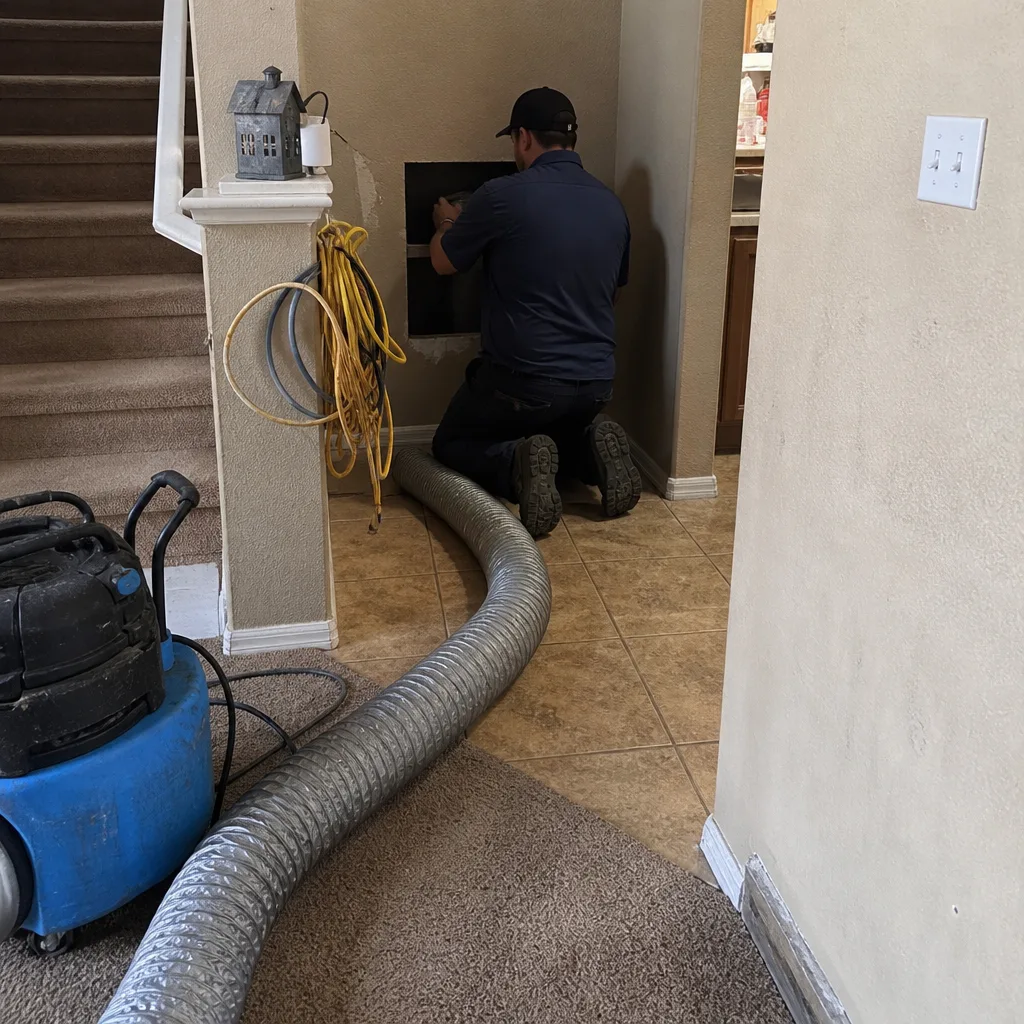 Before
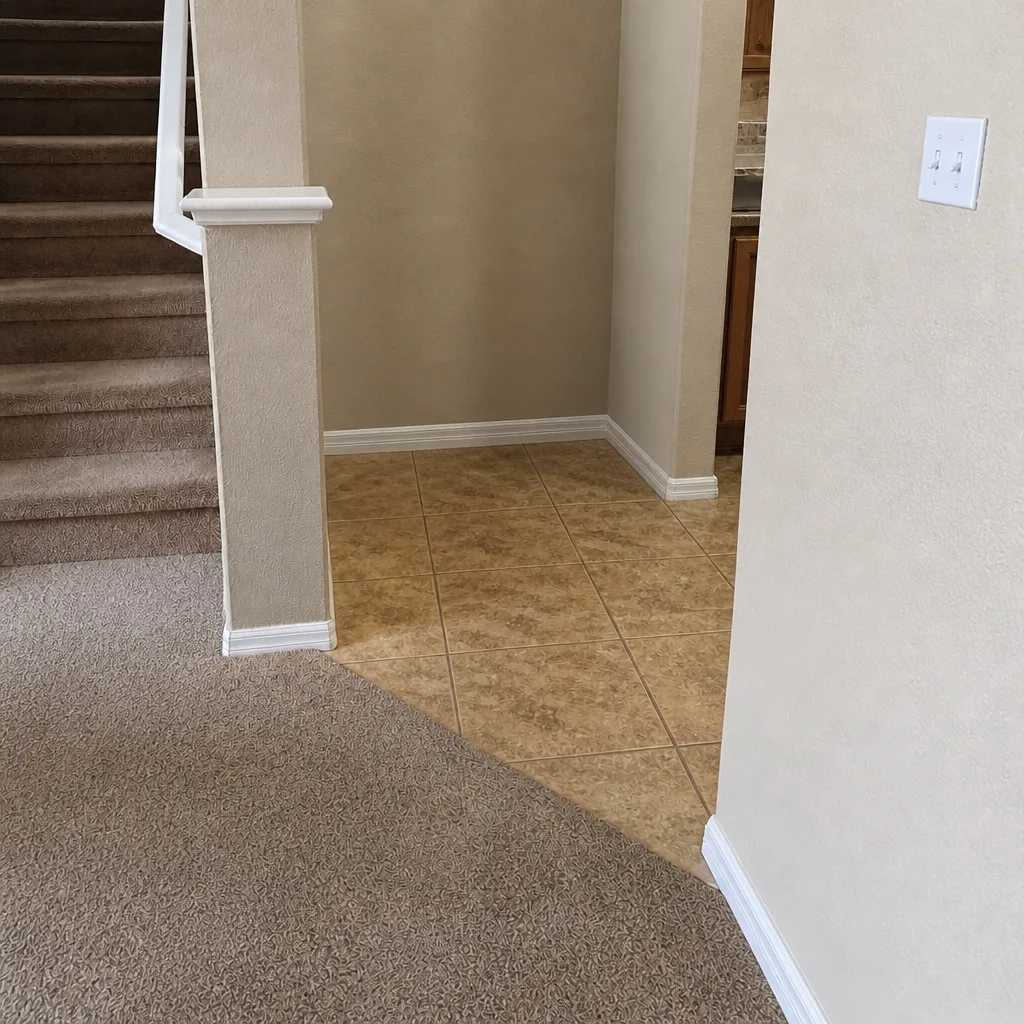 After
When to Call a Professional
Call a professional when the symptom points to something you can’t safely inspect: a single room with chronic weak airflow, visible tape or mastic failure in the attic, any sign of rodent activity, or a musty smell you can’t trace. Call if a cleaning was done and the problem came back, because that usually means the fault was never found. Call if you’re planning a filtration upgrade and need to know whether the system is tight enough to support it. High-tension components, electrical work, and attic heat are not DIY territory, and a trained technician with the right equipment will find the cause faster than a flashlight will. Duct Cleaning Surprise offers free estimates in Surprise, with a flat price per system agreed before work starts. Call (866) 942-6251. We answer 24/7. Fast dispatch from 7am to 7pm, Sunday through Friday.
Frequently Asked Questions
Most whole-home air duct cleaning in Surprise falls into a range based on the size of the system and the condition of the ducts, and the written estimate sets the final price. We don’t quote per vent or advertise a teaser number, because that’s how the industry’s bait-and-switch reputation got started. Call (866) 942-6251 for an exact quote, free of charge.
Low headline prices usually come from per-vent pricing or a coupon that grows once the technician is on site. A real price for the whole system, agreed before work starts, is the only number that means anything. Ask what equipment is used and whether repair is included in the scope. Call (866) 942-6251 for an honest whole-system estimate.
Ask for before-and-after photos of your own ducts, not stock images, and a flat price per system rather than a per-vent line. When we finish a job, the system is visibly cleaner and the photos show it. If a company can’t show you your own ducts, that’s your answer. Call (866) 942-6251 to book an estimate.
It depends on the home: new builds, recent remodels, pets, allergy concerns, and heavy dust exposure all shorten the interval. A tight system in a settled home usually needs it far less often than one with leaks pulling attic air in. The right interval starts with a diagnosis. Call (866) 942-6251 for an exact quote.
Usually not on its own. A single hot room in an otherwise comfortable house points to a branch duct fault, like a crushed run or a disconnected collar, and those need repair rather than a vacuum. Cleaning helps the whole system; repair fixes the specific room. Call (866) 942-6251 to have it diagnosed.
Yes. We handle air duct repair alongside cleaning, so a crushed run, a loose collar, or a chewed flex section gets fixed rather than cleaned around. That’s the difference between a system that looks better and one that actually works. Call (866) 942-6251 for a free estimate.
The Bottom Line
Weak airflow, hot rooms, and rising bills are usually duct faults, and they’re diagnosable. Match the symptom to the cause first: one starved room means a branch fault, dust everywhere means build-up or leaks, and rodent signs mean a breach that needs repair. Cleaning solves the dirt. Sealing and repair solve the rest. In Surprise’s hot attics, tape and mastic fail faster, so a visual check of accessible runs is worth doing twice a year. When the problem is behind a ceiling or in the tight corners of the attic, that’s when a professional diagnosis earns its keep. Fix the fault, clean the system, seal it, then maintain it, and your ducts do the job they were built for.
Call (866) 942-6251 for a free estimate. We answer 24/7. Fast dispatch from 7am to 7pm, Sunday through Friday. One flat price per system, agreed before work starts, with before-and-after photos of your own ducts.
Written by the team at Duct Cleaning Surprise.