
Last updated November 15, 2026
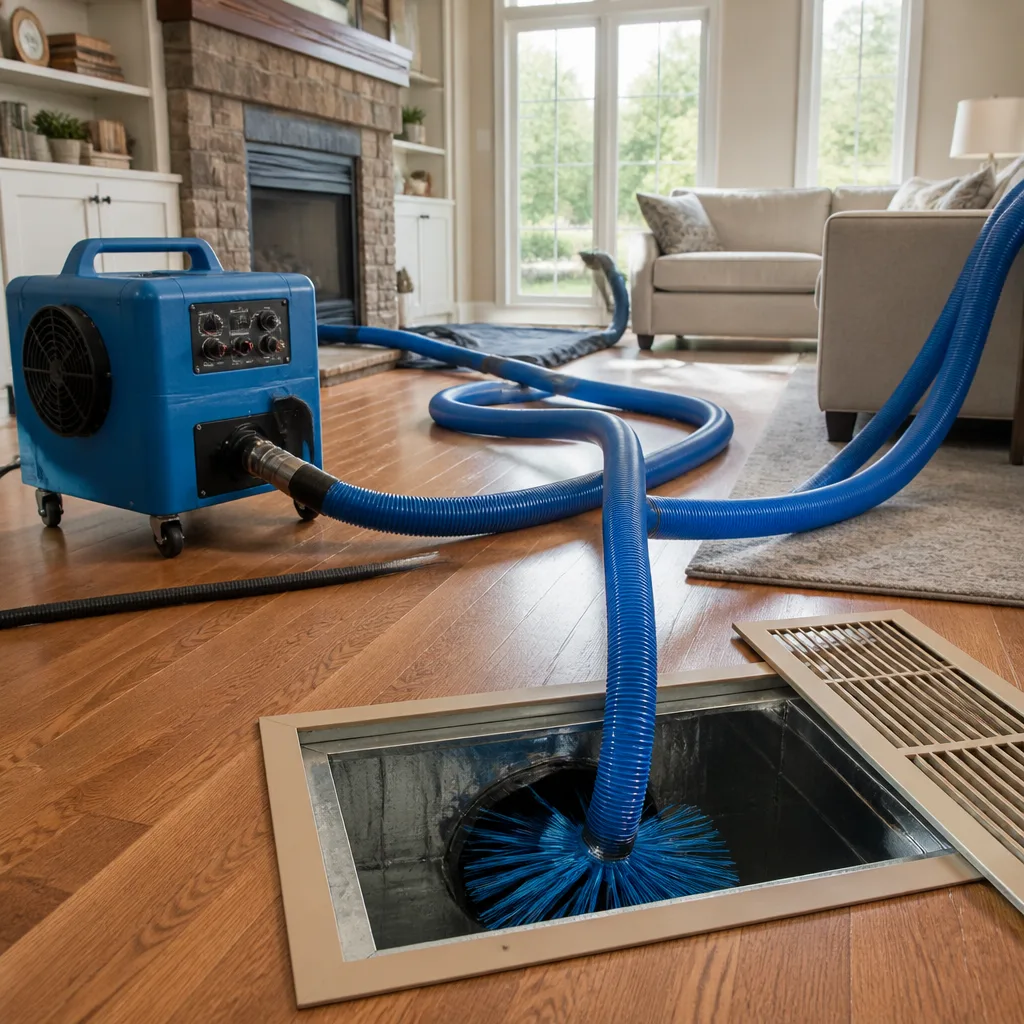 Whole-home duct cleaning
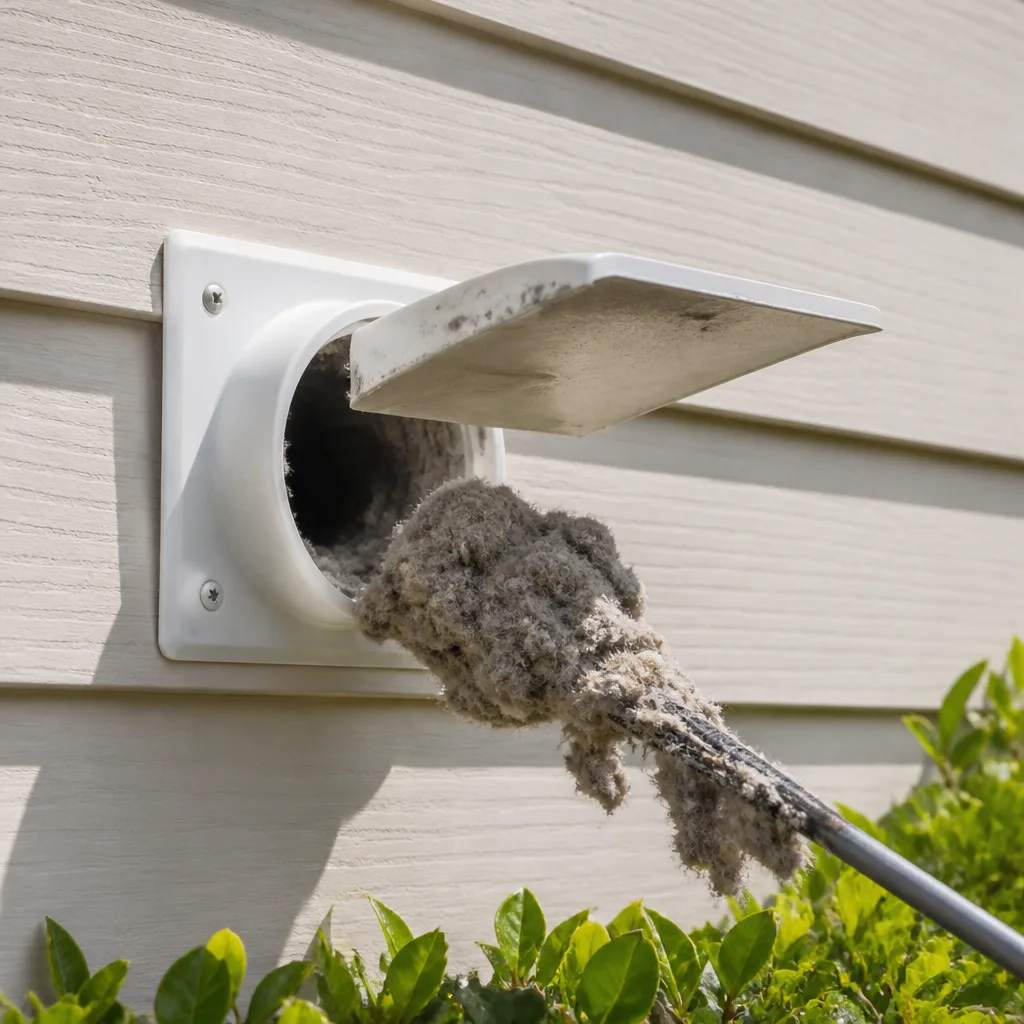 Dryer vent cleaning
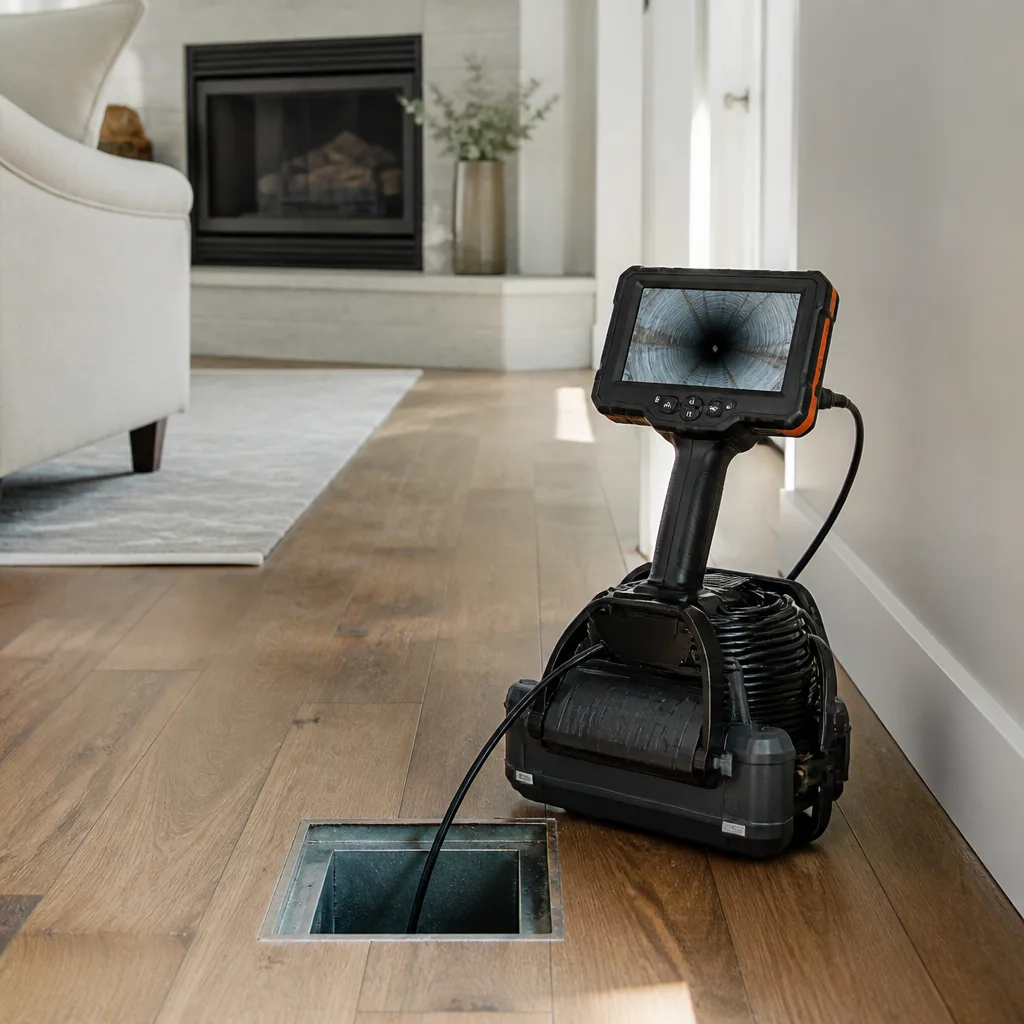 Camera inspection
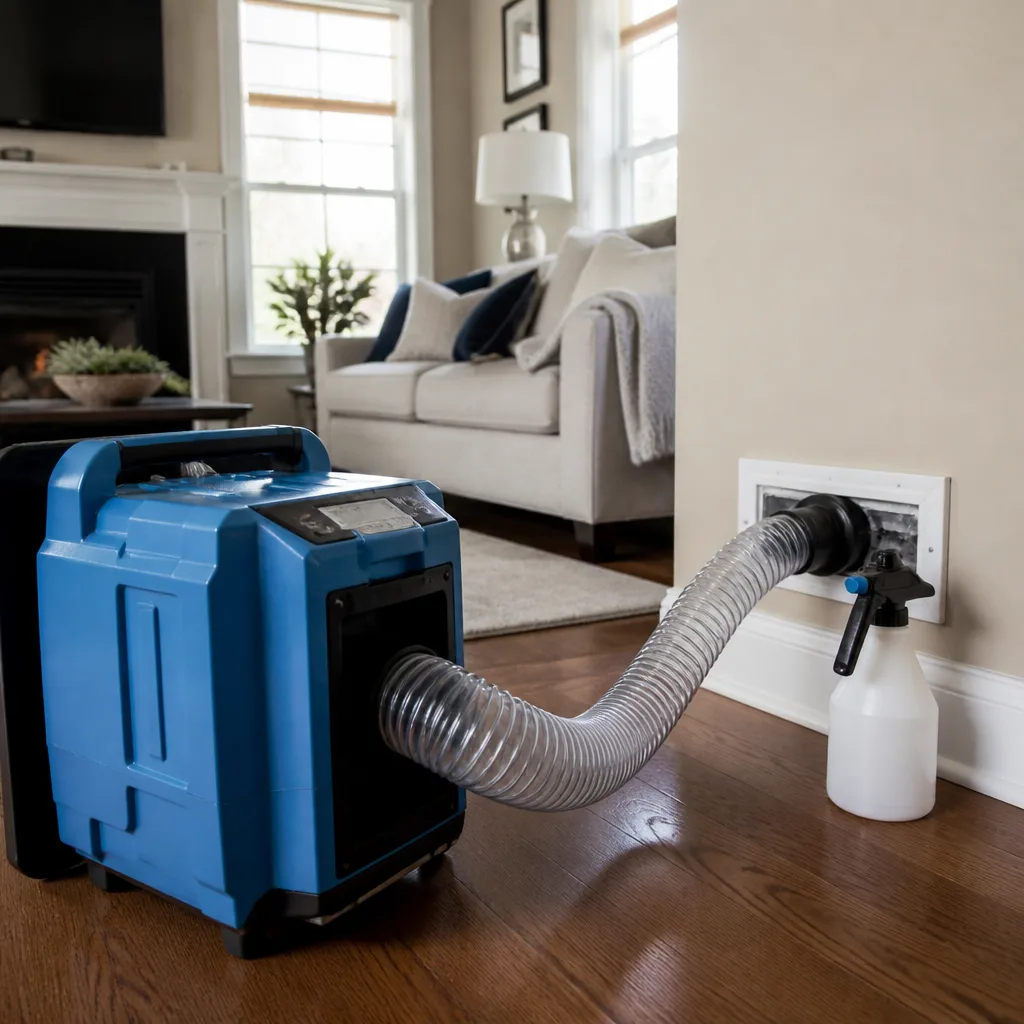 Sanitizing & deodorizing
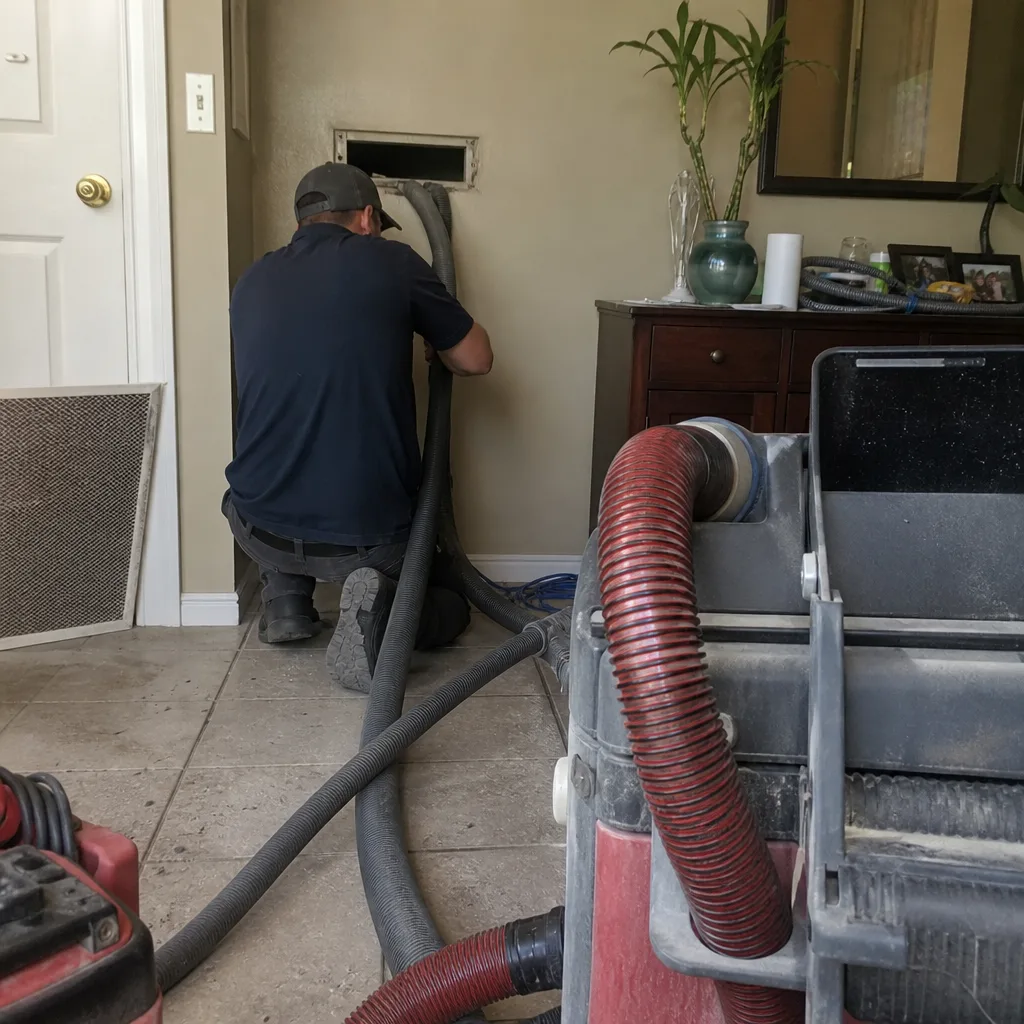
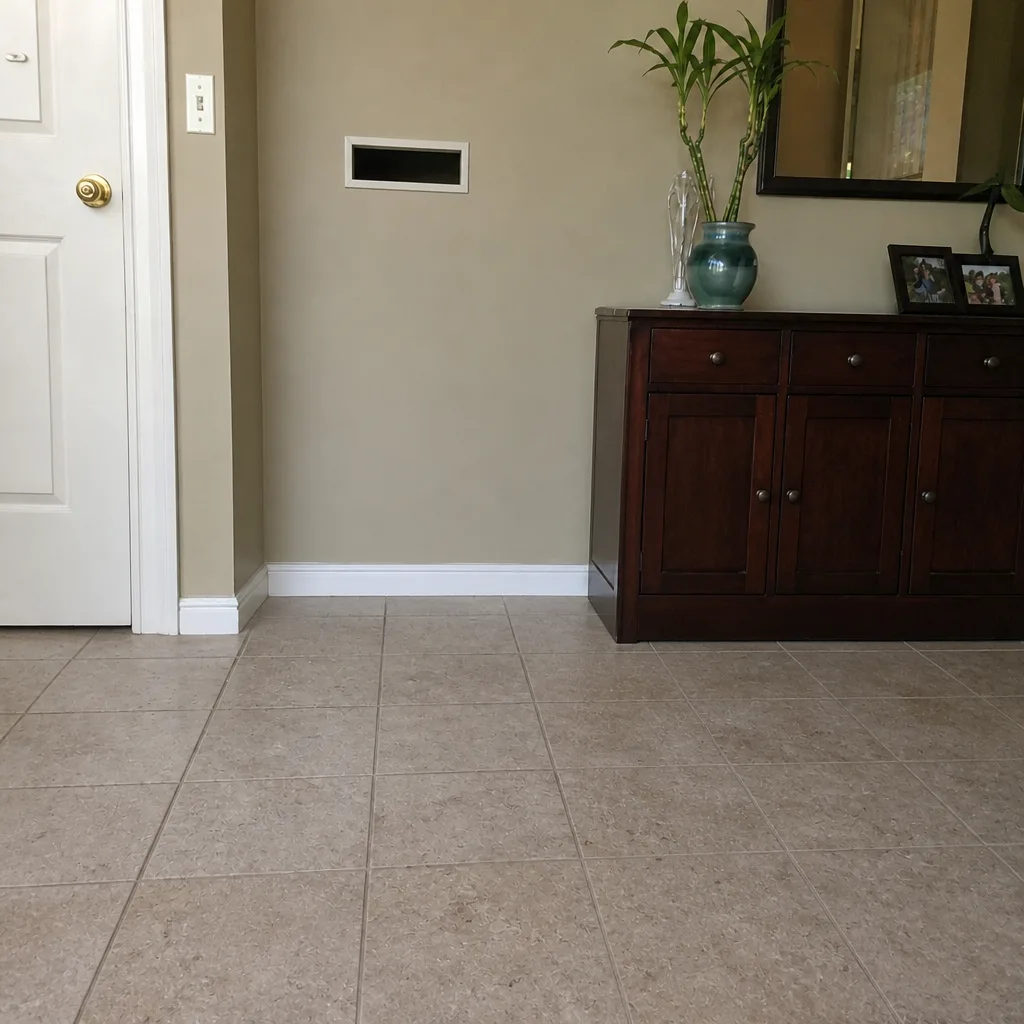
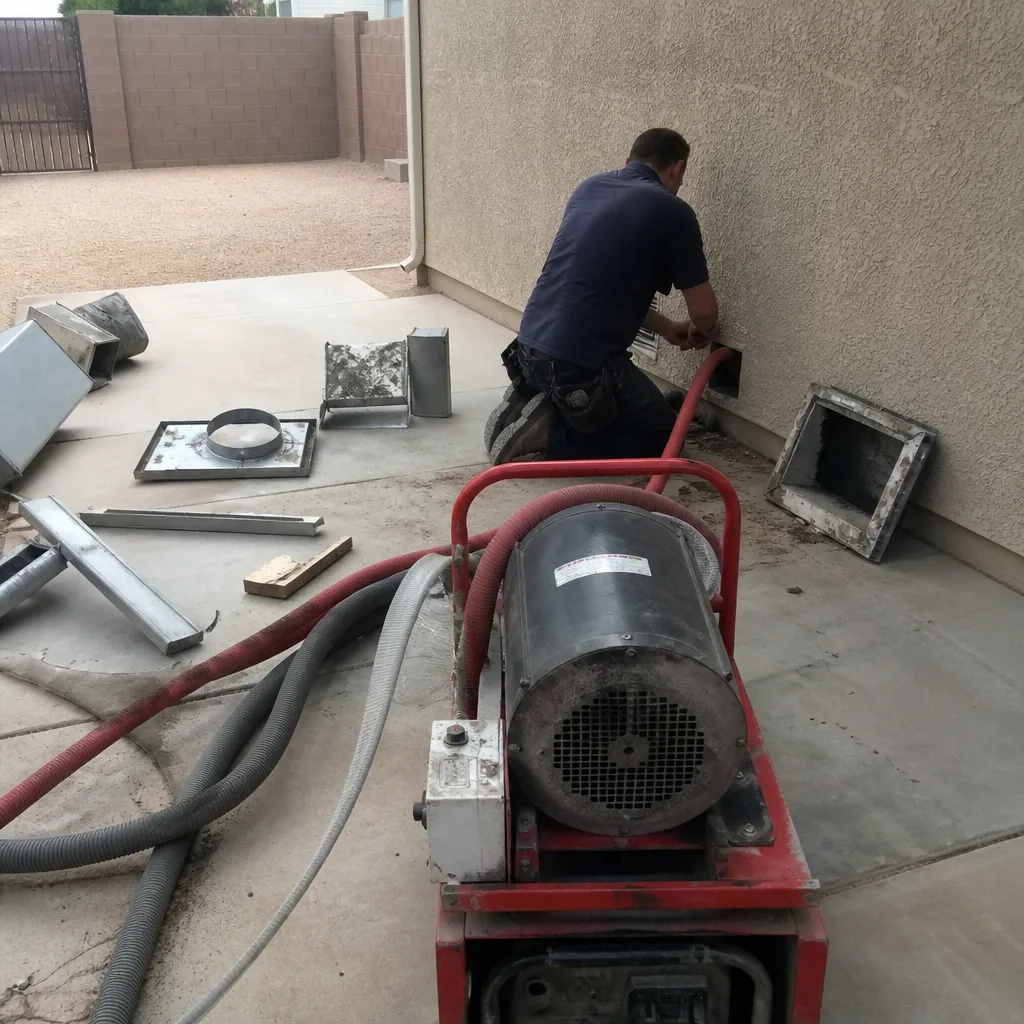
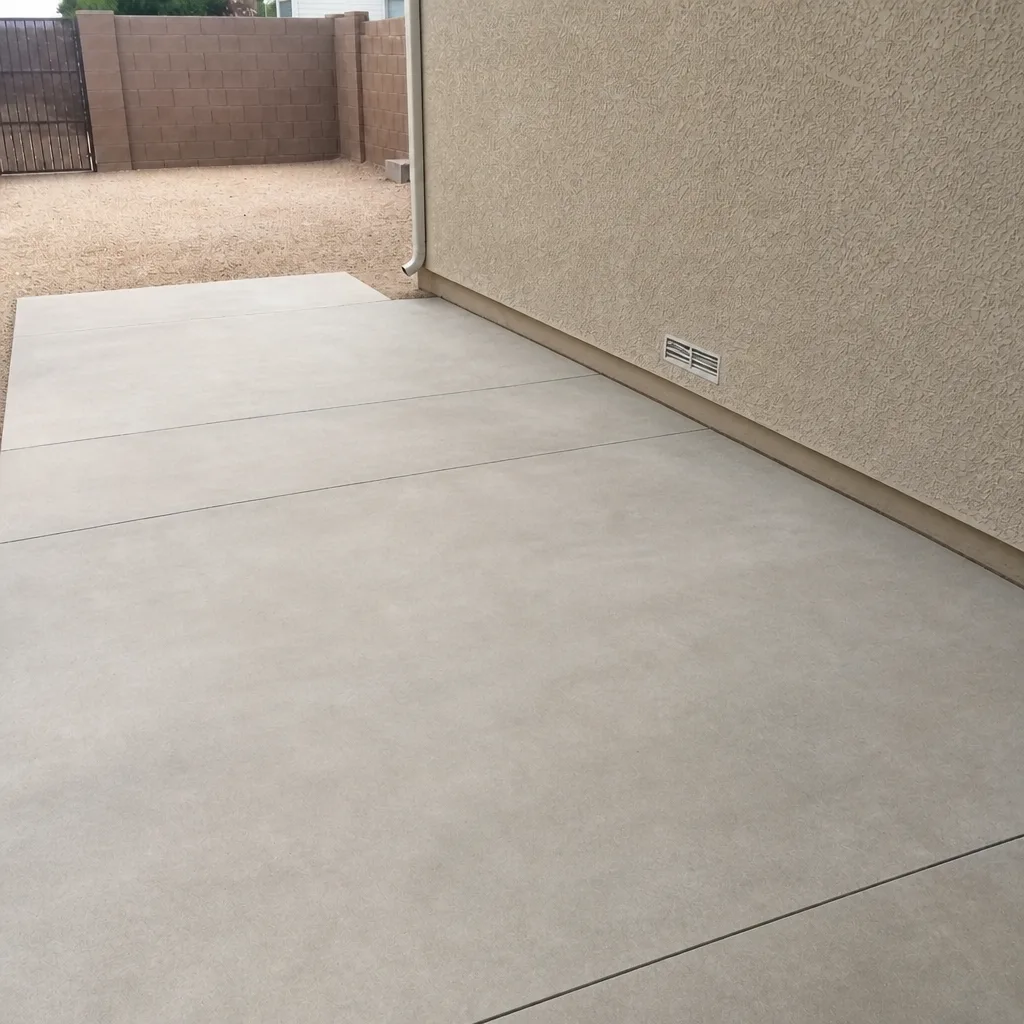
Whole-system duct and dryer vent check with before-and-after photos - you see exactly what came out of your vents
That "$99 whole-house special" is a bait ad - the real number appears once they are in your hallway, or the "clean" is a shop-vac at the register. We photograph the inside of your ducts before and after instead.
Air Duct Cleaning Maintenance Checklist for Surprise Homeowners
Changing your filter on schedule feels responsible. But if your return air grilles are caked with caliche dust, you’re just pushing that contamination deeper into the duct trunk every cycle. A fresh filter is a good habit that can’t fix a system already loaded with debris. In Surprise, where dust moves differently across the year, the calendar matters as much as the filter. This guide gives you a task-by-task maintenance rhythm built around the actual conditions here: a monthly, quarterly, and annual schedule, the inspection points that tell you the most, a way to log your system so you set your own cleaning interval, and how your dryer vent fits into the same plan.
Quick Answer
Surprise homeowners should handle simple filter and grille checks monthly, inspect accessible duct connections and the dryer vent quarterly, and book a full professional cleaning on an interval set by your own home’s data rather than a generic rule. Because desert dust loads a system faster than most national advice assumes, a blanket three-to-five-year schedule often doesn’t match what’s actually happening in a Surprise house. Log your runtime and filter changes, and let those records decide when to call for a cleaning.
Styles & brands we work with
- Whole-home duct cleaning
- Dryer vent cleaning
- Camera inspection
- Sanitizing & deodorizing
Table of Contents
- Why a Checklist Beats a One-Time Cleaning in Surprise
- The Monthly Tasks
- The Quarterly Tasks
- The Annual Tasks
- Inspection Points That Tell You the Most
- How to Log Your System and Set Your Cleaning Interval
- Where the Dryer Vent Fits In
- When You Need a Professional Versus a Homeowner Task
Why a Checklist Beats a One-Time Cleaning in Surprise
A duct cleaning is a snapshot. The dust that returns next month doesn’t know you had the system cleaned. In a desert environment, that gap between a one-time job and an ongoing rhythm is where most money gets wasted. Surprise sits in open, dusty terrain, and seasonal wind and monsoon activity move more particulate into homes than a lot of the country deals with. A system that’s clean in March can be carrying a fresh load by summer.
Most nationwide duct advice assumes a temperate climate and a fairly sealed house. Neither assumption travels well to Surprise. The rhythm here needs to account for the dry, dusty stretches of the year and the monsoon window, when wind-blown material and humidity changes alter what’s moving through your home. A cleaning cadence built for a Midwest basement doesn’t fit a single-story house on a slab with a dusty return grille.
What a maintenance rhythm actually protects is the whole system, not just the duct interior:
- The return side, where debris first collects and then gets pulled into the trunk.
- The supply trunks and branches, where debris settles and eventually moves into rooms.
- The evaporator coil and blower, downstream of the ducts, where debris affects efficiency.
- The flex duct connections, which can loosen and draw attic dust into the system.
- The dryer vent, a separate system that shares your household dust and adds its own risk.
A simple filter change keeps the first line of defense working, but it can’t clear what’s already lodged. Our technicians have up to 11 years of experience watching systems in this climate, and the pattern is consistent: the homes that stay clean are the ones with a maintenance habit, not a single appointment. An ongoing plan is what makes an air duct cleaning hold its value.
The Monthly Tasks
Monthly tasks are the ones you can do in a few minutes without tools. They’re about catching the early warning signs before they become a duct-level problem. As a general rule, a homeowner who handles these consistently reduces the amount of work a professional job needs to handle later.
Here’s the monthly checklist:
- Check the filter. Pull the filter and hold it up to the light. If you can’t see through it, replace it. In dusty stretches of the Surprise year, that can mean more often than the box recommends.
- Wipe the return grille. Run a rag across the return air grille. If it comes back caked, you’re due for a closer look.
- Look at the supply grilles. Check whether dust streaks run from the grille into the room. Streaking signals debris moving through.
- Note any musty or dusty smell. A persistent smell when the system starts says material is sitting somewhere it shouldn’t.
- Listen at startup. A new rattle or whoosh at the return can mean a loose connection.
- Record the filter change date. This is the single most useful log entry you’ll keep.
None of that requires climbing into an attic or opening the air handler. It’s the front-line inspection: grilles, filter, and your nose. If the monthly check is the only maintenance you ever do, you’ve still caught most of the visible signs early.
The Quarterly Tasks
Every three months, go a step further. The quarterly pass is where you look at the parts of the system you can safely see without disassembly: the filter housing, any exposed flex duct in the garage or utility area, and the dryer vent. These points reveal more about system condition than most homeowners realize.
The quarterly checklist:
- Wipe out the filter housing. Dust builds on the housing frame itself, and a dirty housing deposits dust onto every new filter.
- Inspect exposed flex duct connections. Where flex connects to a register or plenum, look for gaps, tape that’s peeled, or sagging runs. Loose connections draw attic dust in.
- Check the dryer vent exhaust outdoors. Confirm the outside flap opens and closes. Lint buildup and a stuck flap are common in Surprise dry-season conditions.
- Clean the lint screen and reachable lint tray. The screen is obvious; the tray behind it usually isn’t.
- Look for moisture or staining near the air handler. Any moisture is a sign to call a professional, not something to clean around.
- Note the date of the last professional cleaning. This entry, paired with your monthly filter log, forms the basis of your interval decision.
Two quarterly tasks deserve special attention. First, grime and buildup on the evaporator coil behind the filter. It affects how efficiently your system cools, so it’s worth a look. Second, any return grille that’s pulling harder than it should. High static pressure can indicate a restricted duct, which is a professional assessment, not a homeowner fix. If a quarterly pass turns up any of those, note it and plan the call.
What quarterly inspection does not include is opening the air handler or ducting. That’s where the safety line sits. Your job at this interval is to look and record, not to disassemble.
The Annual Tasks
The annual pass is the big-picture review. It’s when you decide, based on your own logs and observations, whether the year needs a professional cleaning, a repair inspection, or just another cycle of homeowner maintenance. In a Surprise home, the annual review should be scheduled with the dust season in mind, since late spring and early summer typically precede the heaviest dust movement.
The annual checklist:
- Review your filter log for the year. Count replacements and note how dirty the filter was at each change.
- Review your runtime hours. If you run the system near-continuously through summer, that factors into cleaning interval.
- Do a full visible inspection of all supply and return grilles. Look for streaking, dust fall, and any new discoloration.
- Check the dryer vent line from end to end where accessible. Note lint accumulation and any soft spots.
- Inspect visible flex duct and any duct repair history. Sagging, disconnected, or taped-over sections warrant a professional look.
- Book a professional cleaning or assessment ahead of the upcoming dust season if the year’s evidence points that way.
- Plan any filtration upgrade you’ve been considering with a professional who knows the equipment.
If you’re near the point where a cleaning makes sense, this is also when many homeowners look at the calendar for a visit from a company that will also inspect for repair needs. A company that cleans it, and if it’s broken, fixes it, saves you from chasing a second contractor if the inspection turns up a disconnected run. That kind of full-system coverage on the annual pass is where a checklist pays off.
Inspection Points That Tell You the Most
Not all inspection points are equally informative. Some reveal a problem the moment you look; others only tell you something after months of tracking. The three that consistently reveal the most, in our experience, are the return grille, the filter housing, and the visible flex connections. Here’s what each one actually tells you.
The return air grille. It’s the first place debris shows up before it gets pulled into the duct. A caked return grille almost always means the duct trunk has some loading too. It’s the fastest single indicator of whether your system is due. If you check one thing in Surprise’s dusty conditions, make it this.
The filter housing. A housing full of dust tells you your filter isn’t sealing correctly or is being bypassed. That’s a problem, because a bypassed filter does nothing. A dirty housing means checked but not fixed. Cleaning the housing on the quarterly pass keeps your filter doing its job.
Visible flex duct connections. Loose, torn, or taped-over flex connections draw attic air straight into the distribution system. Surprise homes with attic routing are especially prone to this. Any gap you can see from a safe vantage point is worth a professional evaluation, because it’s about a duct repair, not just cleaning.
Beyond those three, the return plenum and coil are worth professional attention but not DIY disassembly. The line between homeowner inspection and professional service runs at the air handler. It’s there for good reason, and it’s the next section’s topic.
What all three points have in common is that a homeowner can look without touching. That’s the discipline that keeps the checklist useful. You’re gathering evidence for a decision, not performing the service.
How to Log Your System and Set Your Cleaning Interval
The blanket three-to-five-year cleaning rule is popular because it’s easy to say, not because it fits every home. A busy Surprise household with doors open to the dusty yard, a large dog, and continuous summer runtime will need professional cleaning on a shorter cycle than a smaller household with a well-sealed house and modest runtime. Your own records tell you which you are.
What to log:
- Filter change dates. Date and how visibly dirty at change.
- Runtime hours. Roughly how many hours per day the system runs each month (a monthly number is enough).
- Filter type. Note the efficiency rating you’re using; a change in filter changes the cleaning interval.
- Grille condition at each quarterly pass. Dusty, streaked, or clean.
- Any repair, reconnect, or professional cleaning dates. The service history is your baseline.
How to use the log:
- After 12 months, look at how often you replaced filters and how dirty they were.
- Compare your runtime against a rough baseline (heavy summer runtime raises the interval need).
- Note your grille condition trend. A pattern of dusty grilles preceding a cleaning by a few months tells you the interval that fits.
- Set the next professional cleaning from your trend, not from a national number.
- Review after the next cleaning and adjust once.
Logging sounds like paperwork. In practice, it takes a minute a month and replaces guesswork with your own numbers. If you’d rather not build the log yourself, a professional inspection at the right interval can anchor the schedule for you. Either way, the goal is an interval that fits your house in Surprise, not a number picked from a website that assumes a different climate.
Where the Dryer Vent Fits In
Most homeowners don’t think of the dryer vent as part of duct maintenance. It’s exactly that. The dryer vent shares your household dust load, it has its own lint accumulation, and it often goes years between cleanings. It’s typically the most neglected item on the whole schedule, and it also happens to be one of the more consequential.
Here’s how it slots into the calendar:
- Monthly: Clean the lint screen. Check the outside flap.
- Quarterly: Look at the vent line where accessible; note any lint buildup at the exterior.
- Annually: Include dryer vent condition in your annual review. If lint is accumulating or the run is longer than a simple straight line, a professional cleaning is warranted.
The dry-season dust in Surprise deposits lint and dust in the vent faster than many homeowners expect, and a clogged vent is a fire risk. The vent is the one part of the full-system picture that touches your laundry room and your roof or wall, and it deserves the same maintenance discipline as the ducts. From the duct to the dryer vent, it’s one system to maintain, and it’s easier to keep on the same calendar than to maintain two separate ones.
If you’re already booking a professional cleaning for the air ducts, having the dryer vent cleaned in the same visit is efficient and addresses a leading household fire-risk source in one call. Our lineup covers both under one company, so you’re not arranging separate contractors for what’s basically the same task.
When You Need a Professional Versus a Homeowner Task
The line between homeowner maintenance and professional service is clear once you know where it sits. You can handle filters, grilles, visible inspection, and the dryer lint screen. You should not open the air handler, disassemble ducting, or attempt anything that involves the electrical components or the open duct interior.
Homeowner tasks:
- Filter replacement and housing wipe-down.
- Grille inspection and cleaning.
- Visible flex duct inspection (look, don’t touch).
- Dryer lint screen and reachable lint tray.
- Logging runtime and filter changes.
Professional tasks:
- Full duct cleaning with contractor-grade agitation and HEPA vacuum.
- Air duct repair for loose, torn, or disconnected ductwork.
- Dryer vent cleaning when the line is long or loaded with lint.
- Any inspection that requires opening the air handler or disassembling a run.
- Filtration upgrades and equipment recommendations.
Why the line sits where it does: the inside of a duct system and the air handler are responsible for moving your whole home’s air. Work there isn’t a DIY job, and a small mistake can spread contamination or cause an equipment problem. In our experience, the homeowner who does the simple tasks well and calls a professional at the air-handler line gets the most from a maintenance plan. When in doubt, treat anything you can’t see from a safe standing position as a professional call.
If you’re in Surprise and want a professional assessment of where your system actually sits, we can help. Duct Cleaning Surprise offers free estimates in Surprise. Call (866) 942-6251. We answer 24/7. Fast dispatch from 7am to 7pm, Sunday through Friday.
Common Mistakes to Avoid
- Treating cleaning as a one-time event. A single appointment without a maintenance rhythm means you’re re-cleaning the same system from scratch the next cycle. Build the rhythm, and the cleaning holds.
- Using a blanket three-to-five-year rule. That number assumes a temperate climate and a sealed house. Surprise dust and runtime change the math. Log your own data and set the interval from it.
- Forgetting the dryer vent entirely. It’s on the same calendar, and it’s typically the most neglected item. Add it to quarterly and annual checks.
- Replacing filters but never checking the housing. A dirty housing bypasses the filter and deposits dust on every new one. Wipe it down at each quarterly pass.
- Ignoring visible flex duct gaps. A loose or torn connection draws attic air straight into the system. Note it and schedule a repair rather than taping it over.
- Skipping the pre-dust-season timing. In Surprise, late spring and early summer typically precede the heaviest dust. Get ahead of it rather than cleaning after the fact.
- Opening the air handler yourself. Electrical components and open ducting are a professional job. Stay on the safe side of the air-handler line.
See the difference
 Before
 After
 Before
 After
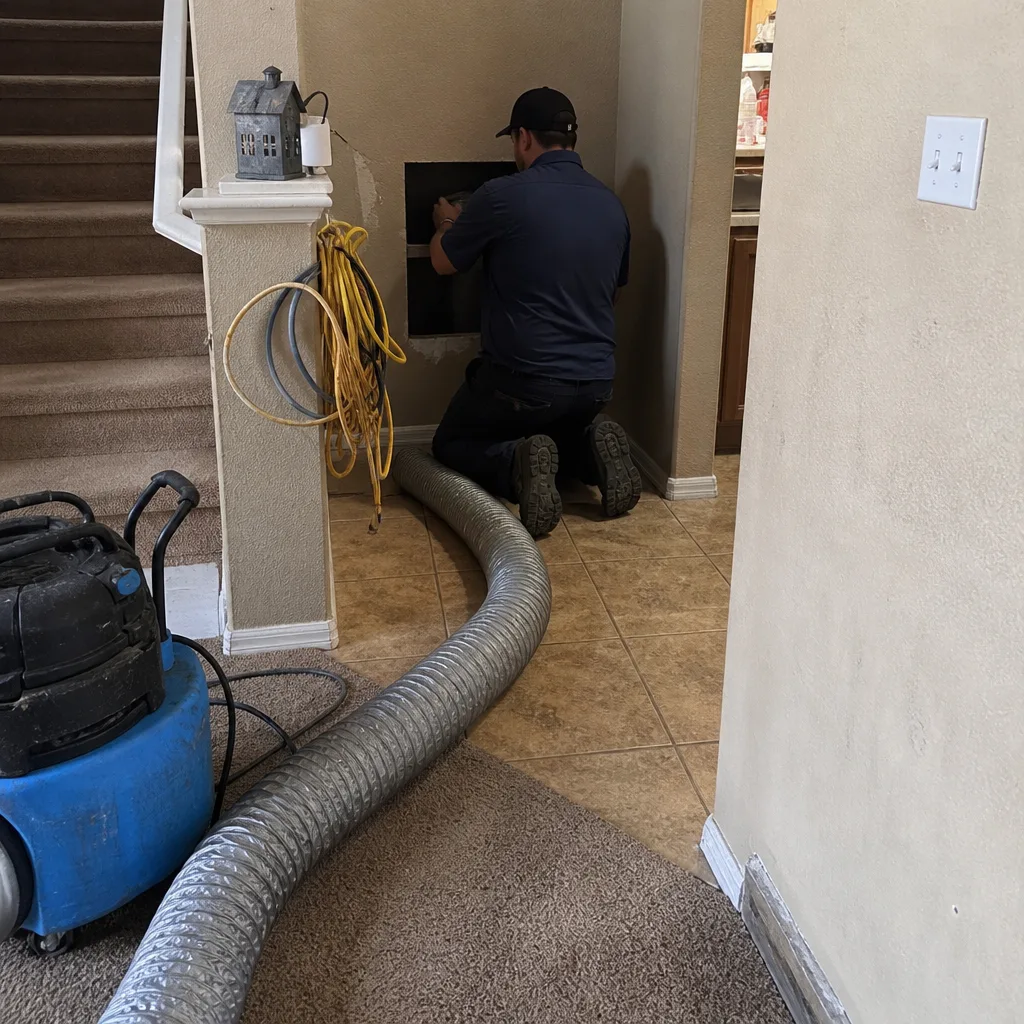 Before
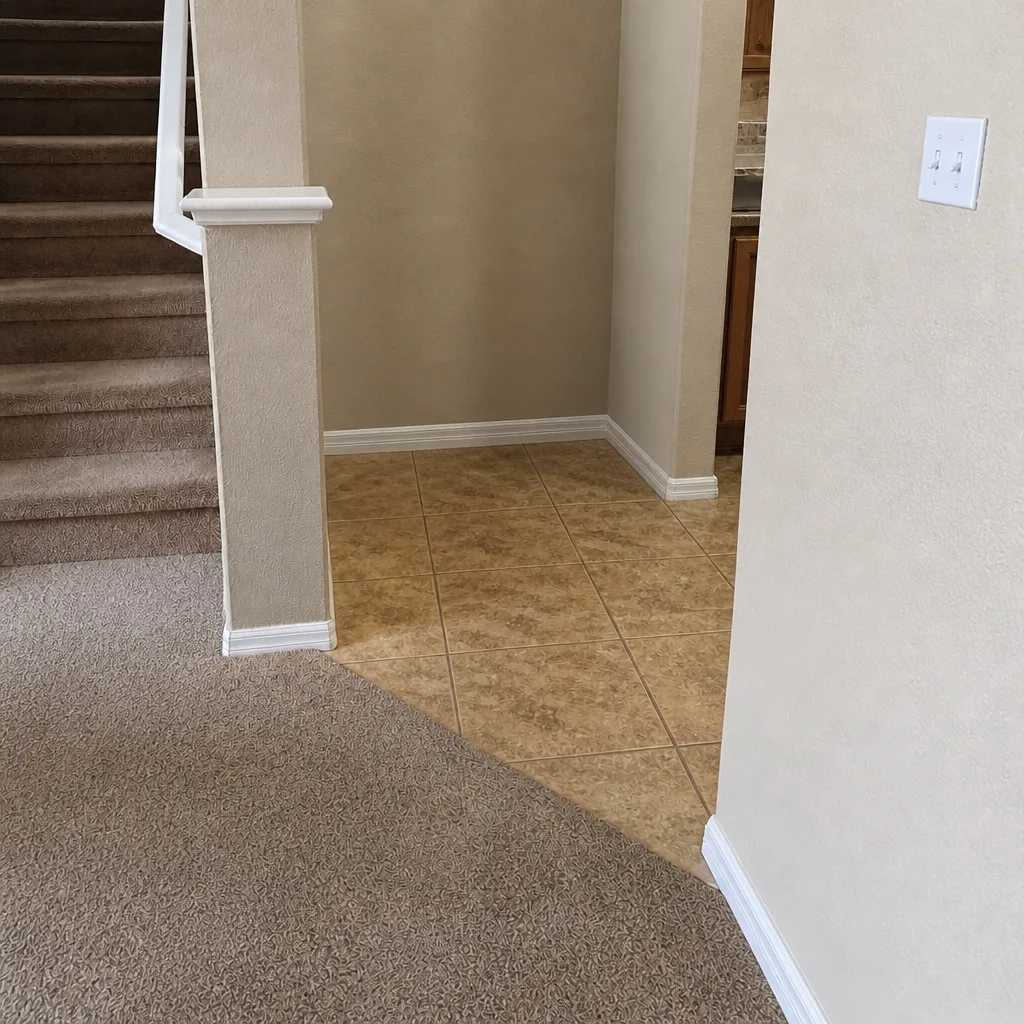 After
When to Call a Professional
Call a professional when your inspection turns up evidence at the air-handler line, when visible flex connections are loose or damaged, or when the dryer vent shows lint accumulation beyond a simple screen clean. If you can’t see through the filter light test even after replacing it, if grilles are streaking with dust, or if you can’t recall the last professional cleaning, it’s time to book an assessment. Our technicians have up to 11 years of experience with these systems, and a professional cleaning with proper equipment (we run Rotobrush agitation and Nikro HEPA vacuum systems) removes debris a homeowner can’t reach. Duct Cleaning Surprise offers free estimates in Surprise, and we can also inspect for repair needs so you don’t need a second contractor. Call us today.
Frequently Asked Questions
There’s no single number. In Surprise’s desert dust and continuous summer runtime, a maintenance log will usually point to a shorter interval than the generic three-to-five years. Build your log for a year, then set your interval from it.
The return air grille and your filter. A caked return grille and a filter you can’t see light through are the fastest indicators your system is due. Both are visible without tools.
Yes. The dryer vent accumulates lint from the same household dust, and it’s typically the most neglected item. Put it on the quarterly and annual checks, and have it cleaned professionally when the line is long or loaded.
Filter changes keep the front-line defense working, but they can’t clear debris already lodged in the duct trunk or the air handler. A filter habit and a cleaning interval work together; one doesn’t replace the other.
Look but don’t touch. A visible gap is evidence of a repair need, and the fix involves safe reconnection by a professional. Taping over a loose connection isn’t a repair, and it can hide a problem.
Clean grilles are a good sign, but the trunk and air handler can carry debris a grille won’t show. After a year of maintenance logging, the pattern of grille condition and filter life tells you whether a professional assessment makes sense. If in doubt, get a free estimate. Call (866) 942-6251. We answer 24/7. Fast dispatch from 7am to 7pm, Sunday through Friday.
The Bottom Line
A maintenance checklist beats a one-time cleaning in Surprise because the dust keeps coming. Handle the monthly filter and grille checks, do the quarterly inspection of the housing, flex connections, and dryer vent, and use your annual review to set a cleaning interval from your own log. Keep the professional line where it belongs: at the air handler and the open duct system. When you’re ready for an assessment or a full cleaning, we run contractor-grade equipment and also handle repair, so you’re covered from inspection to finish. A free estimate is a call away.
Written by the team at Duct Cleaning Surprise.