
Last updated November 15, 2026
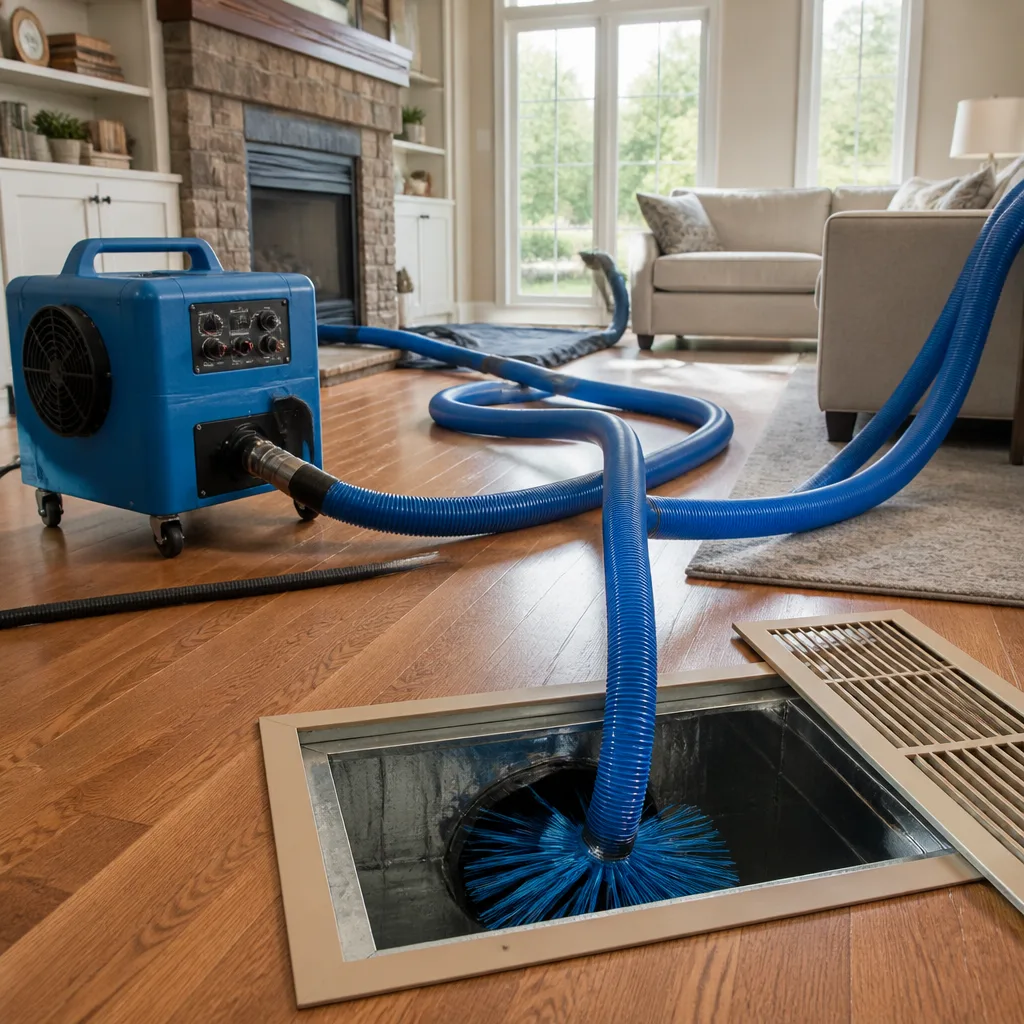 Whole-home duct cleaning
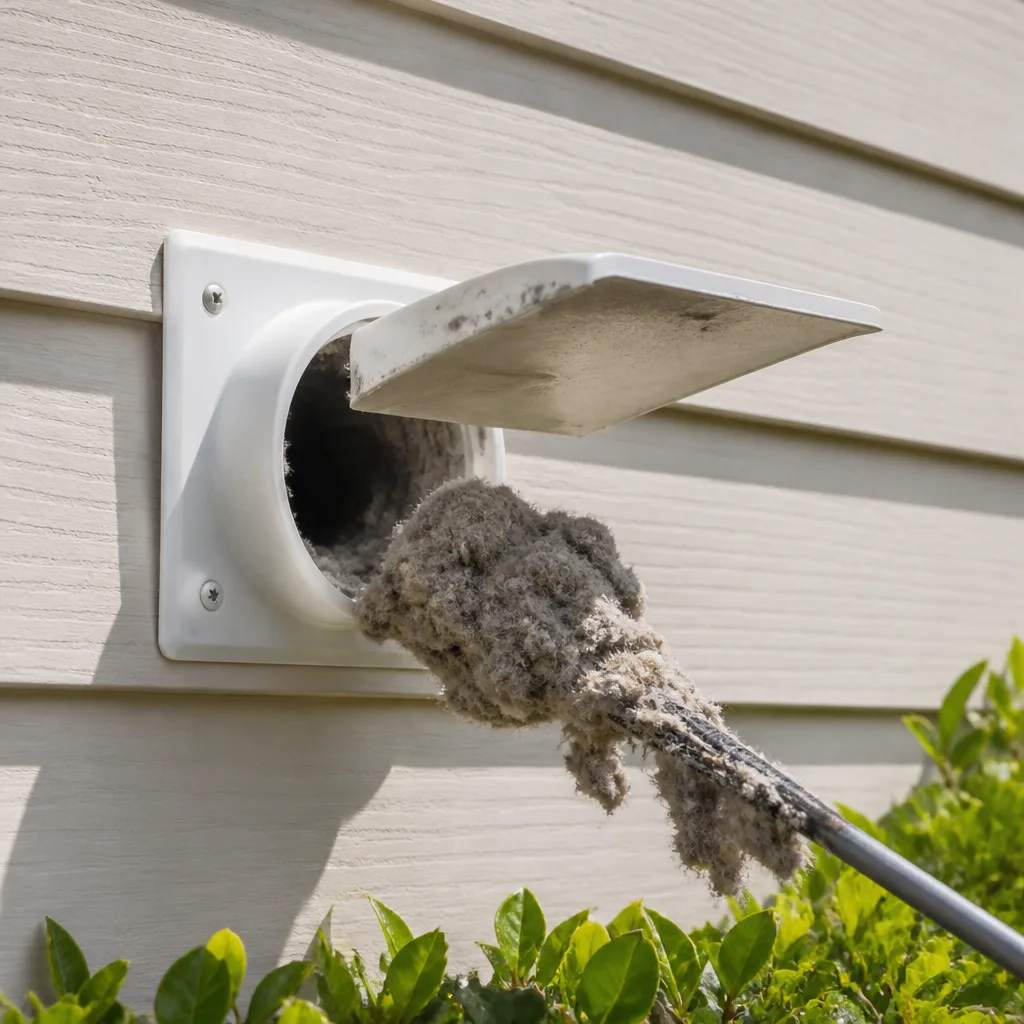 Dryer vent cleaning
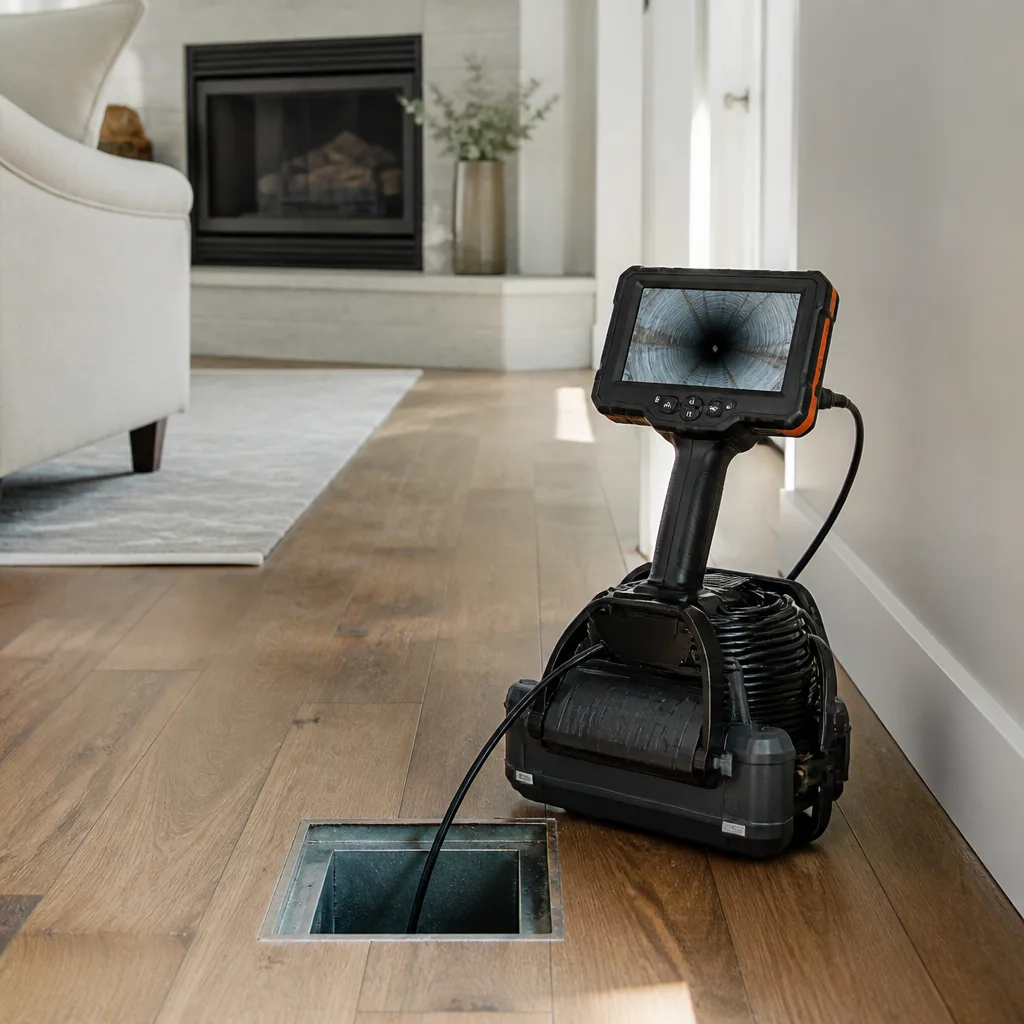 Camera inspection
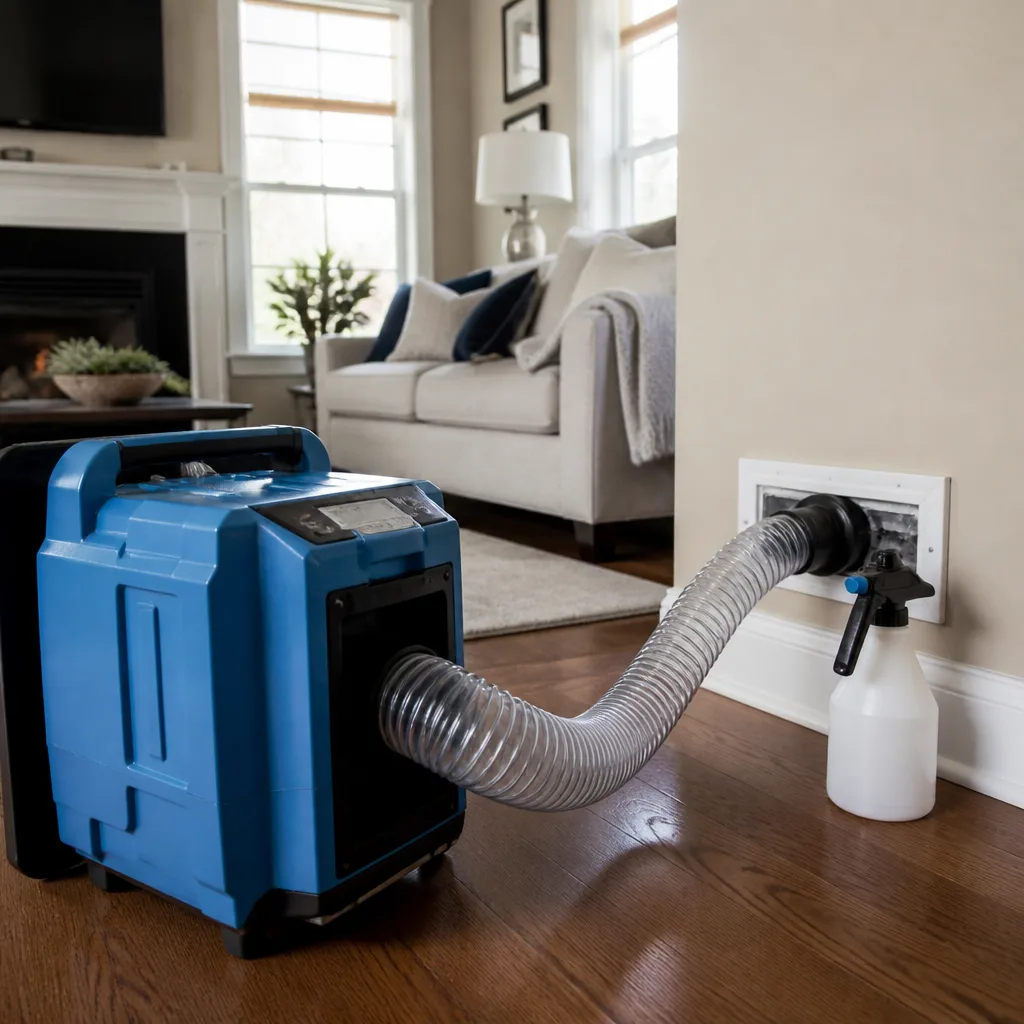 Sanitizing & deodorizing
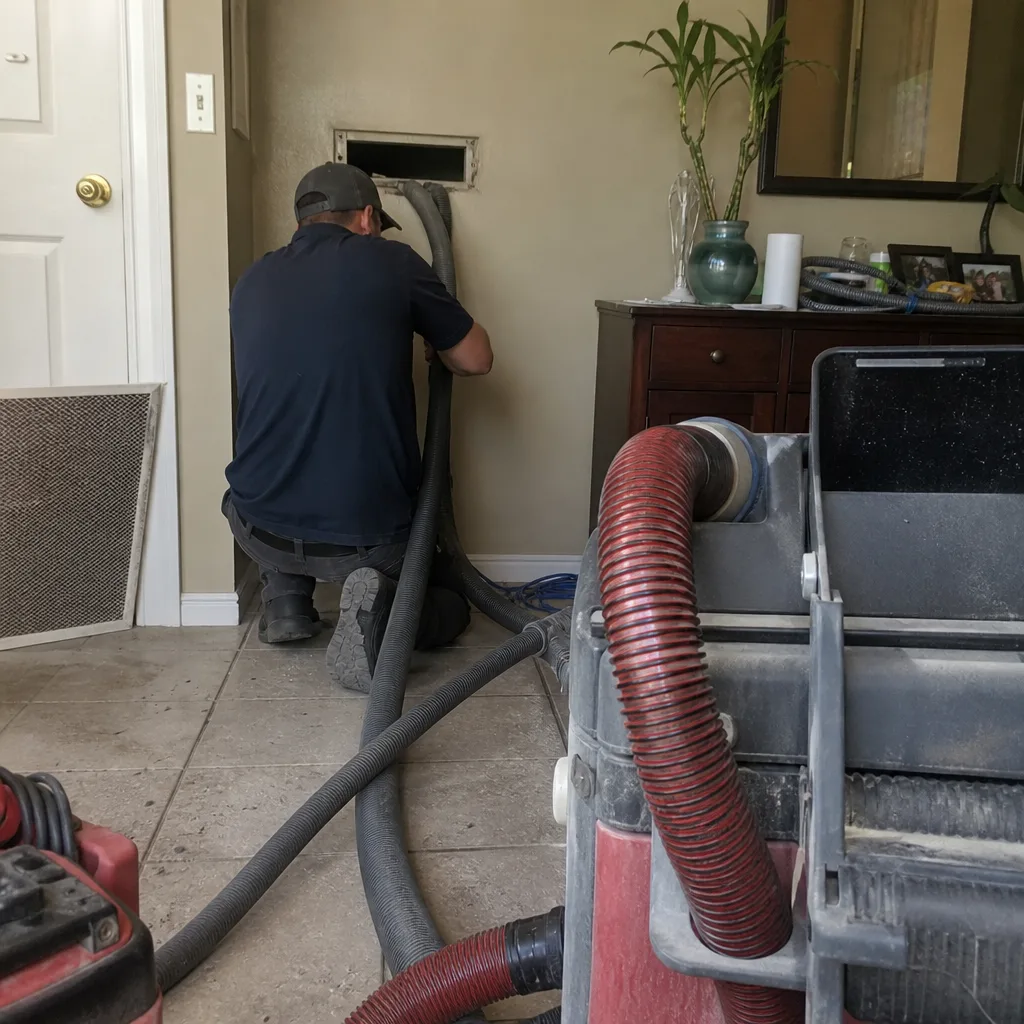
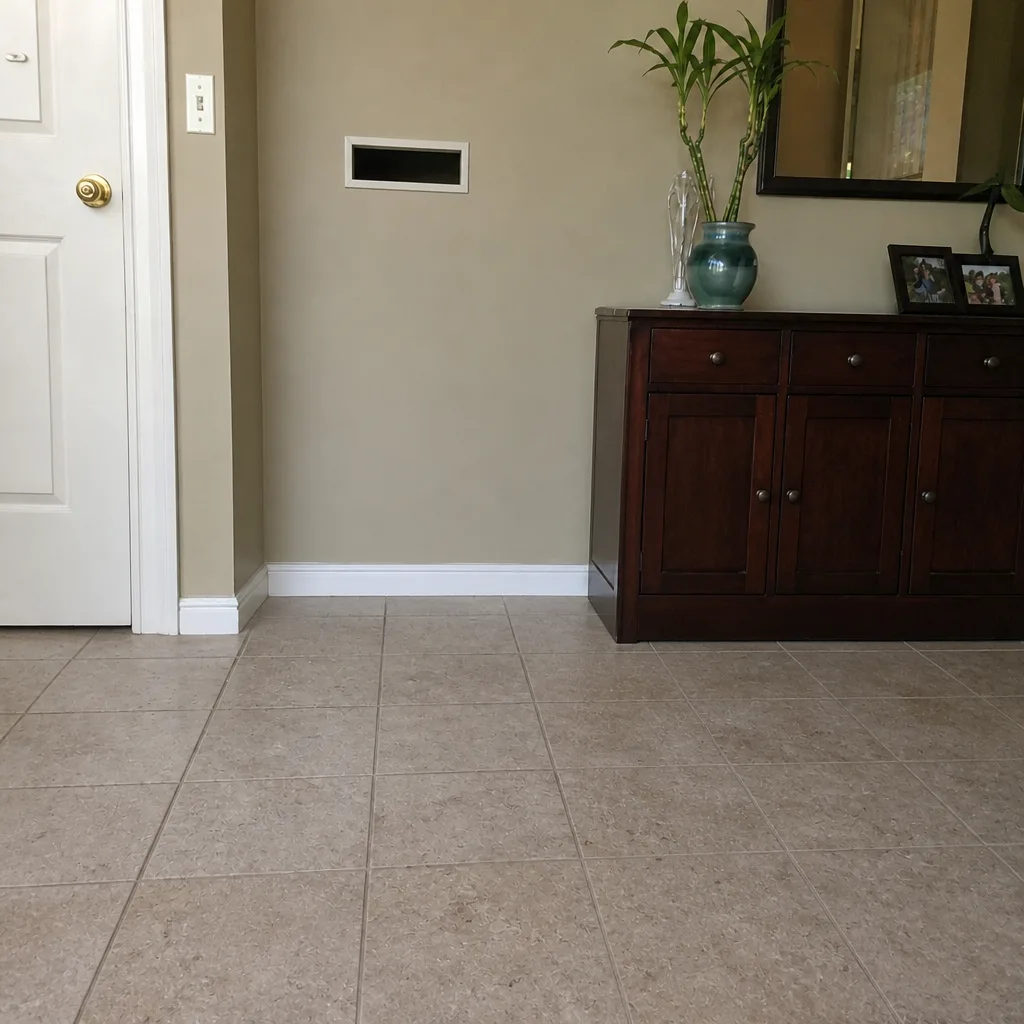
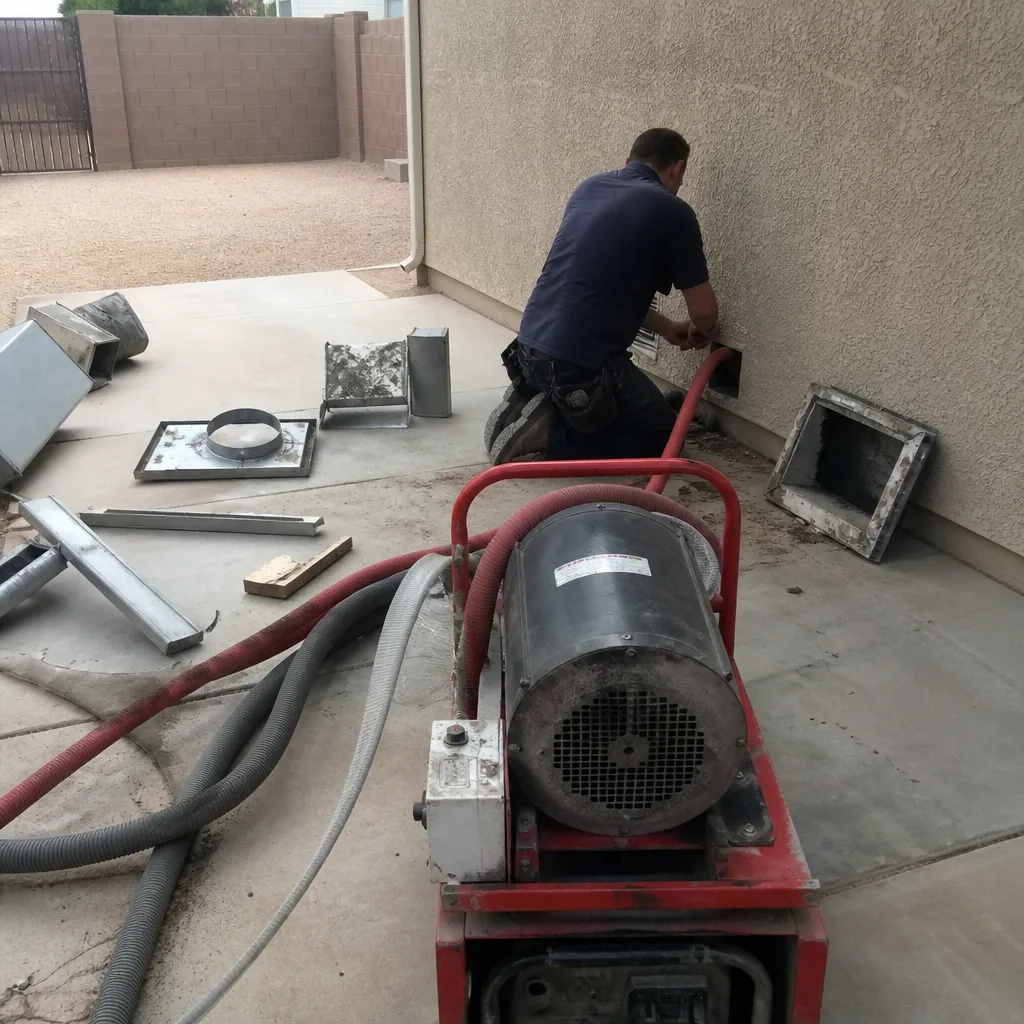
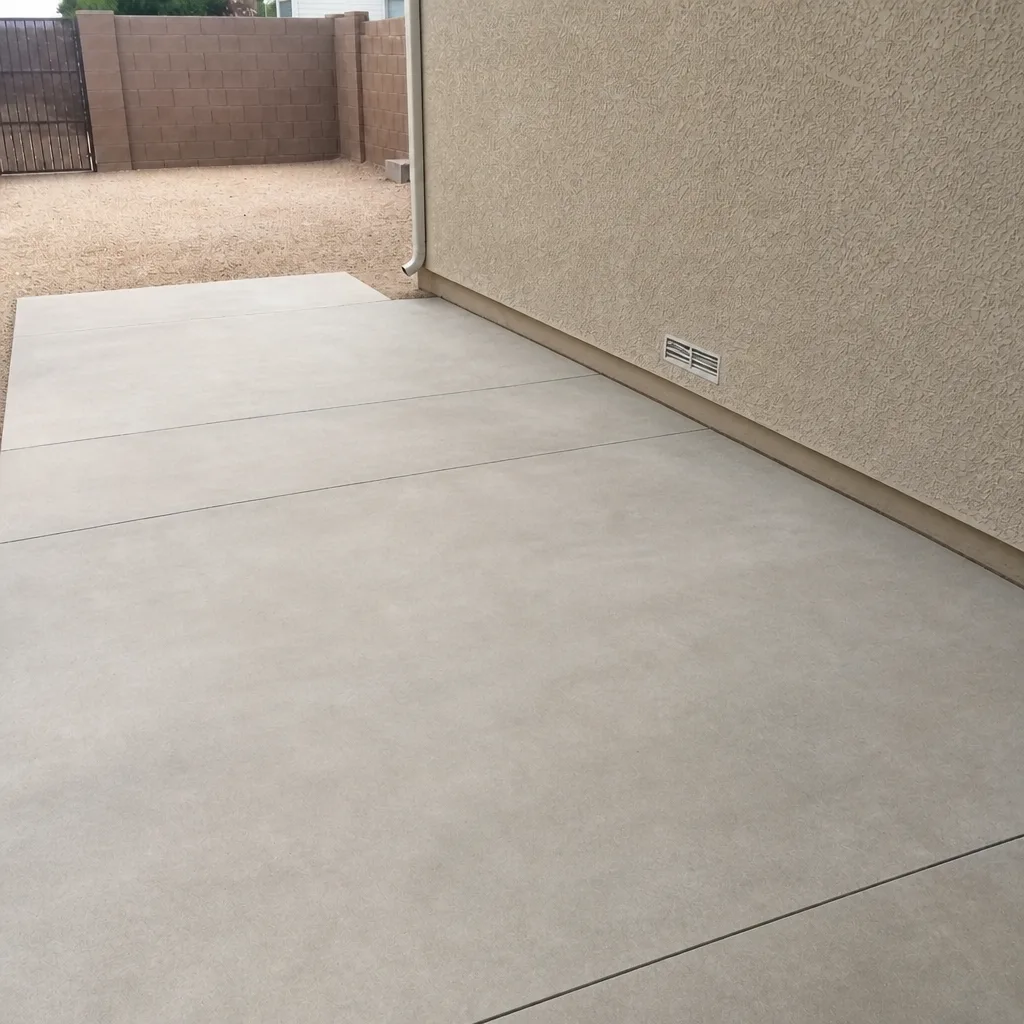
Whole-system duct and dryer vent check with before-and-after photos - you see exactly what came out of your vents
That "$99 whole-house special" is a bait ad - the real number appears once they are in your hallway, or the "clean" is a shop-vac at the register. We photograph the inside of your ducts before and after instead.
Air Duct Cleaning Maintenance Schedule: What to Do and When
Most advice you’ll find says to clean your air ducts every three to five years and leaves it there. That guidance was written for temperate climates with steady humidity and mild summers. It doesn’t describe Surprise. Here, attic temperatures push past 160°F in July, haboobs drive fine desert particulate through every gap in a building envelope, and the home sits sealed against the heat for months at a stretch. The generic schedule isn’t wrong so much as it’s calibrated for a different house in a different place. This guide replaces it with a maintenance calendar built around how Surprise actually behaves across the year, so you know what to check, when to check it, and when a call to a professional is the right move.
Styles & brands we work with
- Whole-home duct cleaning
- Dryer vent cleaning
- Camera inspection
- Sanitizing & deodorizing
Quick Answer
Most Surprise homes need a professional duct inspection every 12 to 18 months and a full cleaning every two to three years, not the national every-three-to-five default. Clean sooner if you’ve had a renovation, a monsoon-season dust event, a new HVAC system, or new construction nearby. Between professional visits, handle register cleaning, filter changes, and dryer vent lint checks yourself.
Table of Contents
- Why the National 3-5 Year Rule Doesn’t Fit Surprise
- Climate-Adjusted Intervals for Surprise Homes
- What Triggers an Earlier Cleaning
- A Month-by-Month Maintenance Calendar
- What You Can Maintain Yourself vs. What Needs Contractor Equipment
- How to Tell Your Ducts Are Getting Dirtier Faster Than Normal
- Dryer Vent Clearing: A Separate, Equally Time-Sensitive Item
- Common Mistakes to Avoid
- When to Call a Professional
- Frequently Asked Questions
- The Bottom Line
Why the National 3-5 Year Rule Doesn’t Fit Surprise
The EPA’s widely quoted guidance on duct cleaning amounts to “clean as needed” – a deliberately open-ended instruction that assumes temperate conditions: moderate dust loads, seasonal humidity, and a home that’s open to outside air for a good part of the year. Homes in Surprise live under different conditions, and that changes the math.
Three local factors drive the difference:
- Dust volume. The Sonoran Desert produces fine particulate year-round, and monsoon-season winds push it against your home’s exterior. Every gap around a door, an outdoor unit, or a construction seam becomes an entry point. Over a season, the accumulation is more than what a temperate climate delivers in two.
- Sealed-house operation. From roughly May through September, most Surprise homes run windows closed with the air handler working hard. The system recirculates the same air continuously. Whatever particulate is in the ducts gets cycled through the living space repeatedly rather than diluted by fresh outdoor air.
- Attic heat. Attic temperatures in Surprise can hit 160°F or higher in peak summer, and ductwork running through that attic absorbs the heat. That thermal load stresses flex duct seams and joints, which is where small disconnections and leaks develop. A compromised duct doesn’t just lose efficiency – it pulls attic dust and insulation fibers into your supply air.
Put those together and the “every three to five years” number starts to look like a ceiling rather than a baseline. In our experience across Surprise, most homes benefit from inspection on a tighter cycle and full cleaning more frequently than the national average. The air duct cleaning scope of work is standard; the schedule that gets you there is what’s local.
Climate-Adjusted Intervals for Surprise Homes
Here’s a schedule calibrated to the desert rather than the national default. Treat it as a starting point, not a law of physics – your specific home and its history will shift the line.
- Full professional cleaning: Every 2 to 3 years for most Surprise homes. Every 18 to 24 months if you have pets, allergies in the household, or a home older than about 20 years with original ductwork.
- Professional inspection (no cleaning): Every 12 to 18 months. The inspection is how you find a disconnected joint or a crushed flex run before it becomes an air quality problem. It’s also how you avoid cleaning on a schedule that has nothing to do with your actual home.
- Filter changes: Every 1 to 3 months depending on filter type and dust load. In Surprise, err toward the shorter end during peak dust season (roughly April through September).
- Dryer vent clearing: Every 12 to 18 months for a typical household. More often if you run multiple loads a week or have a long vent run.
- Post-renovation cleaning: Once, after any drywall, flooring, or cabinet work is complete. Construction dust is the single most common reason ducts get loaded with material that wasn’t there six months earlier.
If you want a single number to hold onto: inspect annually, clean every two to three years, and clean off-cycle whenever there’s a specific event. That’s the corrected version of the national recommendation for a Surprise house.
We built the Duct Cleaning Surprise service around the reality that most homes here need a real inspection before anyone quotes a cleaning. Cleaning a system that has a disconnected duct just spreads debris; finding the problem first is the point.
What Triggers an Earlier Cleaning
Life happens on its own schedule, and a few events in Surprise warrant moving the cleaning up regardless of where you are on the cycle. If any of these apply, don’t wait for the calendar.
- New construction nearby. A home going up on your block or in your subdivision pushes fine cement and stucco dust through the neighborhood for months. Homes downwind of active construction commonly need a cleaning within 6 to 12 months of the build.
- A significant monsoon dust event. When a haboob rolls through and drops visible dust on your patio furniture, some of that made it inside. If you notice visible dust at the registers afterward, move the cleaning up.
- HVAC replacement. When you replace the air handler or condenser, the ducts should be cleaned as part of that transition. Old debris gets stirred into the new equipment otherwise, and the new system’s efficiency gets undermined.
- A renovation inside the home. Drywall dust, sawdust, and demolition particulate migrate through the return air and settle in the ductwork. Clean after, not before.
- A new baby, or a household member with allergies or asthma. The triggers here are practical – more time spent indoors, more sensitivity to particulate. Cleaning and an inspection of the system’s condition are reasonable responses.
- A move into a resale home. You don’t know the previous owner’s maintenance history, and cleaning once at move-in gives you a known baseline to schedule from.
The Surprise area is growing quickly, and active construction in a neighborhood is a real reason to check your ducts even if it’s been less than two years. We’ve made dryer vent cleaning part of every visit for a different reason covered below, but the duct-side trigger list is what most homeowners actually need.
A Month-by-Month Maintenance Calendar
This calendar is built around Surprise’s seasonal patterns rather than the four-season template you’ll find in most maintenance guides. The idea is to do the right task in the right season, before the season stresses the system.
- January – February: Filter check and replacement. Verify return air grilles are unobstructed by furniture or rugs. Note any cold spots.
- March: Pre-summer inspection. This is the best window to schedule a professional duct inspection before the AC runs continuously. If cleaning is due, do it now.
- April: Dust season begins. Switch to a shorter filter replacement interval if you have pets or a high-dust home. Clean supply registers.
- May: Pre-summer confirmation. Confirm the AC is running efficiently and there are no obvious duct leaks at accessible joints.
- June – July: Peak attic heat. Avoid any duct work that requires extended attic access; this is when attic temperatures are most punishing on flex duct and on anyone going in. Watch for weak airflow and note it for later.
- August: Post-monsoon duct inspection. Haboobs peak in this season. Check registers for visible dust and listen for airflow changes at the supply vents.
- September: Post-monsoon follow-through. If a cleaning or repair is needed, the window between monsoon season and the heating season is the right one.
- October: Pre-winter heating prep. If your home uses a heat pump or furnace, this is when you check the system before the first cool nights. Filter replacement and a visual check of accessible duct connections.
- November – December: Dryer vent lint check. Heating season also means the dryer is running more in many households. Check the outdoor vent flap for lint accumulation.
One local wrinkle: many Surprise homes sit against open desert on one side, so the dust exposure is higher on the west-facing exterior wall. If your return air intake runs along that side, you’re the household that should be on the tighter end of every interval on this list.
What You Can Maintain Yourself vs. What Needs Contractor Equipment
A lot of duct maintenance is within reach of any homeowner with a few basic tools. A few parts of it genuinely aren’t.
What you can handle:
- Cleaning supply and return registers with a vacuum brush and a damp cloth. Do this monthly during peak dust season.
- Replacing HVAC filters on a consistent schedule. Match the filter to the air handler’s spec, not to whatever claims the highest filtration on the package.
- Cleaning the outdoor dryer vent flap and removing visible lint buildup from the exterior hood.
- Checking for obvious airflow problems – weak output at a vent, a whistling register, a room that’s consistently a few degrees off.
- Keeping return air intakes clear of furniture, rugs, and stored items.
What needs contractor-grade equipment:
- Mechanical agitation of the interior duct surfaces. A shop vac doesn’t address adhered dust; you need rotary brush systems like Rotobrush to break it loose.
- HEPA vacuum capture at the source. Nikro HEPA systems trap fine particulate during the process so it doesn’t re-circulate into the living space.
- Containment for contaminated scenarios. Construction dust, mold-impacted duct interiors, and post-remediation situations need Abatement Technologies containment and proper negative-pressure protocol – otherwise the cleaning pushes contaminants into the air.
- Duct repair. A disconnected, crushed, or damaged flex run has to be fixed, not just vacuumed. Cleaning a compromised system makes the situation worse.
- Filtration assessments. If you’re considering an upgrade to a whole-home filter or a better media cabinet, familiarity with Honeywell and Aprilaire product lines helps match the option to your system’s static pressure.
The dividing line is simple: if the task is on the exterior surface of the system, you can do it. If it requires reaching inside the ducts or repairing them, it doesn’t belong on the homeowner side of the list.
How to Tell Your Ducts Are Getting Dirtier Faster Than Normal
Relying on “it’s been three years” is how most homeowners end up cleaning on the wrong schedule. The better approach is to check for the actual signals that the ducts are loading faster than the timeline expects.
Watch for these indicators, in rough order of how early they show up:
- Visible dust at the supply registers. A light dust film is normal. A visible buildup or dust streaks around the register housing within a few weeks of cleaning is a sign the ducts are moving more particulate than usual.
- Musty or dusty smell when the system starts. The first few minutes of AC or heat cycling push air through the ducts. A distinct dusty smell is often the most reliable early signal.
- Increased dust on horizontal surfaces in the home. Compare the same shelf or windowsill week over week. If the accumulation rate has clearly increased, the source is upstream.
- Allergy symptoms that worsen indoors. If you notice more congestion or sneezing after the system kicks on, that’s worth a closer look at the ducts and filters.
- Higher energy bills without a clear explanation. Partially blocked or disconnected ductwork reduces system efficiency. If the bill is climbing and nothing else changed, the ducts are worth checking.
- Uneven room temperatures. One room noticeably cooler or warmer than the rest can indicate a restricted or disconnected branch duct rather than a system failure.
Two of those signals (dust at registers and a musty start-up smell) are enough to warrant an inspection even if you’re a year away from your scheduled cleaning. That’s the point of replacing a fixed rule with a system of indicators.
Dryer Vent Clearing: A Separate, Equally Time-Sensitive Item
Dryer vents get filed under “other” in most maintenance schedules. In Surprise they deserve their own line, for a straightforward reason: lint buildup in a dryer vent is a fire risk, and the dry heat here is directly relevant to how a lint fire behaves if it starts.
The risks are practical, not theoretical:
- Lint is fuel. The same lint that fills the dryer’s filter fills the vent run. A vent that hasn’t been cleared in a couple of years can hold a volume of lint that turns a small ignition source into a house fire in minutes.
- Long vent runs make it worse. Many Surprise homes have dryer vent runs that go up through the attic or out through a long exterior wall. Every extra foot of run and every 90-degree elbow collects more lint.
- Dryer performance is the early warning. Clothes taking two cycles to dry, or a dryer that’s hot to the touch on its exterior cabinet, usually means restricted airflow through the vent. That’s the moment to clear it.
Schedule dryer vent clearing every 12 to 18 months for a typical household, and every 6 to 12 months if you run multiple loads a week or have a vent run longer than about 15 feet. Check the exterior flap monthly – if it’s flapping weakly or not at all while the dryer is running, the vent is restricted.
The reason Duct Cleaning Surprise covers both ducts and dryer vents in the same service lineup is that the two share the same problem: a system that runs air continuously and collects material you can’t see. Doing them together usually makes more sense than separate visits, and the dryer vent side is the higher-stakes of the two from a safety standpoint.
Common Mistakes to Avoid
- Cleaning on a fixed calendar alone. The three-to-five-year rule ignores dust events, renovation work, and nearby construction. Check the indicators before booking based on the date. A cleaning two years after the last one is easy to justify in a Surprise home that sat downwind of an active build.
- Calling a service that only vacuums. A shop-vac approach without mechanical agitation or HEPA capture stirs dust into the air without removing adhered material. Ask what equipment is used before anyone shows up – the answer should name the systems, like Rotobrush and Nikro.
- Skipping the inspection because the last cleaning still looks fine. Duct connections loosen with attic heat. A visual check of the accessible sections during cool months is how you catch a worn flex joint before it separates and starts pulling attic air into the system.
- Filter replacement by habit rather than condition. A three-month filter in a five-person Surprise household during dust season is too long. Match the interval to the home’s dust load, not to the box.
- Forgetting the dryer vent entirely. Ducts get scheduled; dryer vents get ignored until performance drops. Add it to the same visit and check the exterior flap monthly.
- Using a higher-MERV filter than the system can handle. A filter that restricts airflow harder than the air handler was designed for reduces efficiency and can freeze a coil. Match the filter to the system, not to a marketing claim.
- Cleaning a duct system that has a known leak or disconnection. If a branch line is crushed or disconnected, cleaning it spreads debris or pushes attic air into the living space. Repair first, then clean.
When to Call a Professional
Not every schedule adjustment needs a professional visit. Filter changes, register cleaning, and monthly dryer flap checks are homeowner work. But a specific set of scenarios should trigger a call rather than a wait-and-see.
Call us if you see any of these:
- Visible dust accumulation at the registers within weeks of a cleaning.
- A musty smell at system start-up that doesn’t clear after airing the house.
- Persistent uneven room temperatures or reduced airflow at specific vents.
- A recent renovation, a nearby construction project, or a major dust event.
- A dryer that takes two cycles, or an exterior vent flap that doesn’t move when the dryer runs.
- A new baby, a new allergy diagnosis, or a home purchased within the last year.
Duct Cleaning Surprise offers free estimates in Surprise – call (866) 942-6251. We answer 24/7. Fast dispatch from 7am to 7pm, Sunday through Friday. Our technicians have up to 11 years of experience, and we use contractor-grade equipment – Rotobrush, Nikro, and Abatement Technologies containment where the scenario calls for it – so the job is done for real, not surface-vacuumed.
Frequently Asked Questions
Most Surprise homes need a full professional cleaning every two to three years and an inspection every 12 to 18 months, tighter than the national three-to-five-year default. Arizona’s dust load, sealed-house operation, and attic temperatures all accelerate duct buildup compared to temperate climates. Homes with pets, allergies, or older ductwork should lean toward the shorter end. Call (866) 942-6251 for an exact quote – estimates are free.
Pricing depends on the system size, number of vents, and whether repair or containment is needed, so it’s quoted as a flat price per system after inspection rather than a per-vent rate. We give the number in a written estimate before any work starts, so there’s no inflation after the fact. If a quote seems dramatically cheaper than others, ask what equipment will be used in your home. Call (866) 942-6251 for an exact quote – estimates are free.
Cheap quotes usually mean the work is limited to a shop vacuum at the registers without mechanical agitation or HEPA capture. That doesn’t remove adhered dust from the duct interior and doesn’t stop particulate from re-circulating into the living space. Proper cleaning uses rotary brush systems and HEPA vacuum equipment operating together, and a real quote reflects that. Call (866) 942-6251 for an exact quote – estimates are free.
Ask for before-and-after photos of your own ducts, and ask what equipment will be visible on site when the team arrives. Rotobrush agitation systems and Nikro HEPA vacuums are identifiable equipment, not generic shop vacs. A reputable service will happily show the process. Call (866) 942-6251 to schedule an inspection – estimates are free.
Yes, and it’s the more useful of the two services in most cases. An inspection catches disconnected or crushed ducts, worn flex joints, and filtration problems that a cleaning won’t address. In a Surprise home, the attic heat stresses those joints year over year. Call (866) 942-6251 for an exact quote – estimates are free.
Every 12 to 18 months for a typical household, and every 6 to 12 months if you run multiple loads per week or have a long or complex vent run. Dryer vents are a leading household fire risk, and lint accumulation in the vent is the cause. Check the exterior flap monthly as an early warning. Call (866) 942-6251 for an exact quote – estimates are free.
The Bottom Line
The national three-to-five-year timeline for duct cleaning was written for a climate that isn’t Surprise’s. Dust load, sealed-house operation, and attic heat all push local homes toward a tighter schedule: inspect every 12 to 18 months, clean every two to three years, and move the cleaning up whenever a construction project, monsoon event, renovation, or system replacement provides a reason. Handle filters, registers, and dryer vent flap checks between visits, and leave the mechanical agitation, HEPA capture, and duct repair to contractor-grade equipment. Dryer vent clearing deserves the same attention your ducts get – it just carries a different kind of risk. Duct Cleaning Surprise runs proper equipment, performs duct repair instead of just surface vacuuming, and hires only independent local professionals who do the work properly.
Call Duct Cleaning Surprise at (866) 942-6251 for a free estimate. We answer 24/7. Fast dispatch from 7am to 7pm, Sunday through Friday. Our technicians have up to 11 years of experience, and we’ll tell you honestly whether your home needs cleaning now or can safely wait until next year.
Written by the team at Duct Cleaning Surprise.
See the difference
 Before
 After
 Before
 After
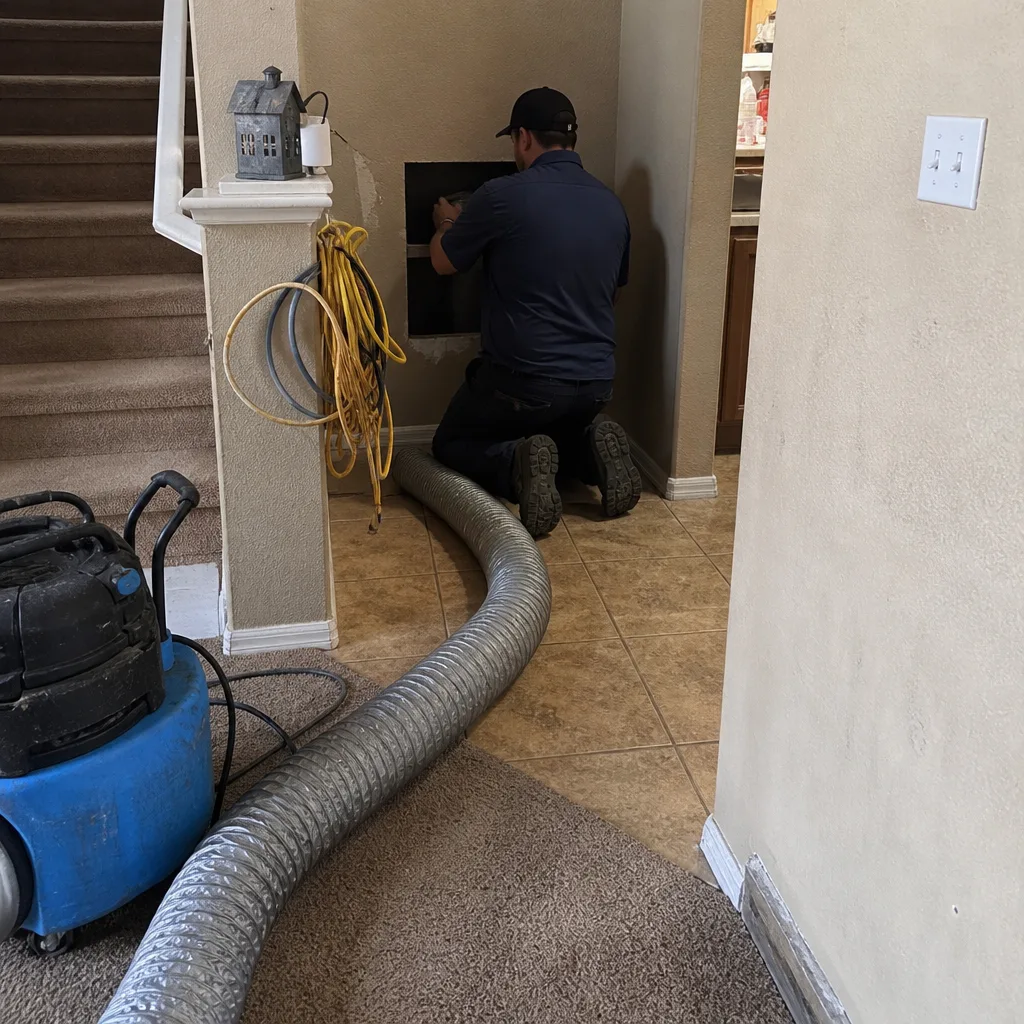 Before
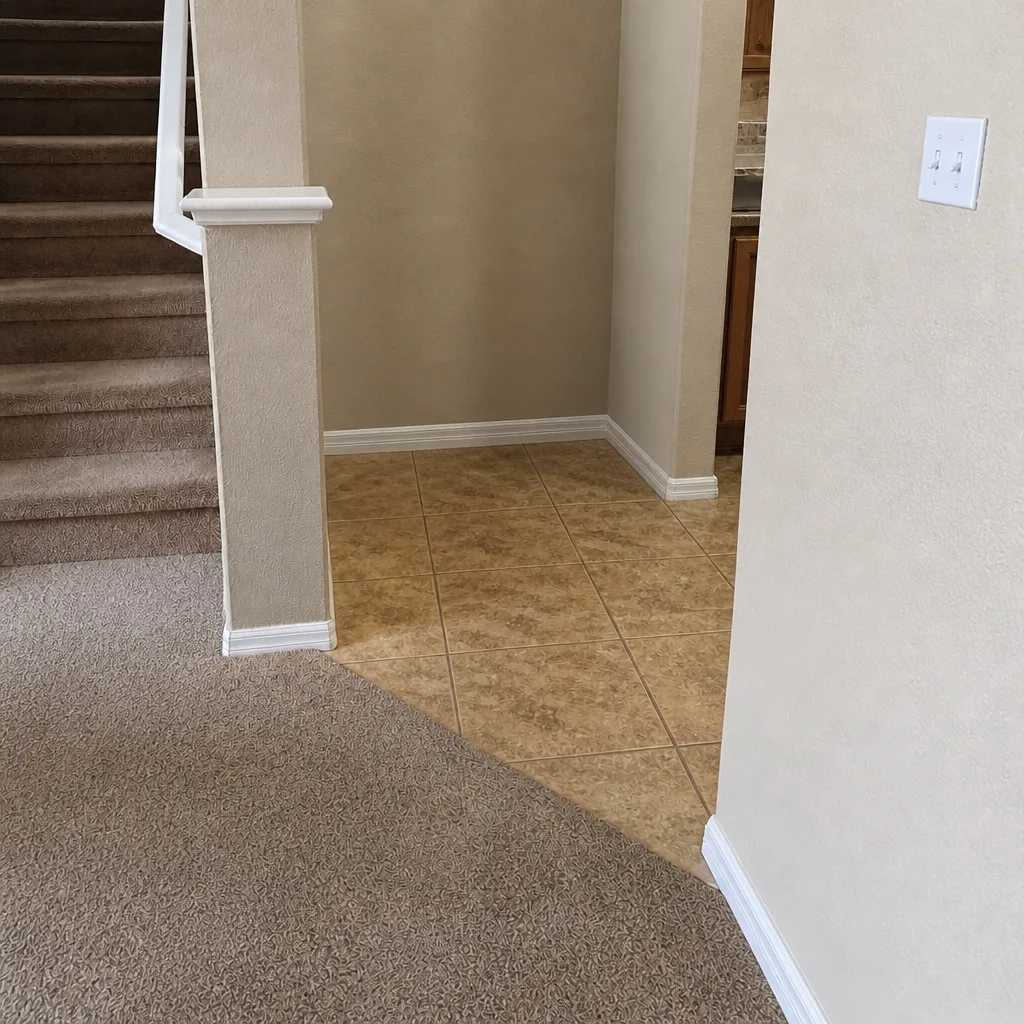 After